Showing posts sorted by relevance for query aluminum strategy. Sort by date Show all posts

Century Aluminum Mt Holly Smelter Expansion Lifts US Primary Aluminum Output

No comments
Century Aluminum Mt Holly Smelter Expansion Lifts US Primary Aluminum Output
Century Aluminum

Century Aluminum Mt Holly smelter production has begun from the company’s expansion project in South Carolina, adding new domestic primary aluminum capacity at a time when US trade policy is reshaping metal supply economics. The company expects the expansion to reach full production by the end of June 2026.

The expanded Century Aluminum Mt Holly smelter is expected to reach nameplate capacity of 229,000 t/yr. Century said the additional output will increase total US primary aluminum production by 10%.

Century Aluminum Mt Holly smelter output matters because the US has been trying to rebuild domestic primary aluminum supply after years of capacity pressure. Higher tariffs, energy costs and import dependence have made aluminum smelting a strategic industrial issue.

Section 232 Tariff Supports Domestic Aluminum Expansion

Century’s expansion follows the implementation of the 50% Section 232 aluminum tariff in June 2025. The tariff has improved the incentive structure for domestic primary aluminum production by raising the cost of imported material.

Primary aluminum smelting is highly energy-intensive, so producers need a combination of power competitiveness, policy support and long-term demand visibility. The Mt Holly expansion shows that tariff protection can influence production decisions when capacity is already available for restart or expansion.

The added output will not remove US import dependence. However, a 10% increase in domestic primary aluminum production is meaningful in a market where every operating smelter carries strategic value.

Domestic aluminum is important for packaging, transportation, construction, defense, electrical infrastructure and manufacturing. Greater local supply can reduce exposure to import volatility and support downstream users seeking more secure metal availability.

Century Extends US Aluminum Strategy With Oklahoma Project

Century is also pursuing a larger domestic growth strategy beyond Mt Holly. The company has teamed up with Emirates Global Aluminum to build a planned 750,000 t/yr primary aluminum smelter in Oklahoma.

That project would represent a much larger change to US aluminum supply if completed. It would add major greenfield smelting capacity and strengthen the country’s ability to supply downstream manufacturing from domestic primary metal.

The two projects show how US aluminum policy is moving from import management toward capacity rebuilding. Mt Holly provides a near-term production increase, while Oklahoma represents a longer-term industrial supply-chain bet.

For the US market, the key question is whether tariff protection, energy availability and industrial demand can support sustained investment in smelting. Without competitive power and stable policy, primary aluminum capacity remains difficult to maintain.

The Metalnomist Commentary

Century’s Mt Holly expansion shows that tariff policy is beginning to translate into real domestic aluminum output. The bigger test will be whether the US can turn short-term protection into long-term smelting competitiveness through power access, investment and downstream demand.

Glencore Aluminum Recycling Stake Expands South Carolina Remelting Footprint

No comments
Glencore Aluminum Recycling Stake Expands South Carolina Remelting Footprint
Aluminum Scrap

Glencore aluminum recycling exposure has expanded after the global commodities trading group acquired a 45% stake in a planned South Carolina aluminum facility. Alumicore will operate the plant and retain the remaining 55% interest.

The investment builds on Glencore’s earlier financial support for the recycling and remelting project. Those earlier investments were aimed at securing marketing rights for the plant’s future production.

Glencore aluminum recycling growth reflects rising interest in secondary aluminum supply in the US. Recycled aluminum can reduce energy intensity, support lower-carbon material demand, and improve feedstock optionality for manufacturers exposed to volatile primary aluminum markets.

Alumicore Platform Adds Recycling and Remelting Scale

The South Carolina site will become part of Alumicore’s wider recycling network. Glencore said the new plant, together with Alumicore’s operations in Monessen and Pittsburgh, Pennsylvania, will lift the company’s total recycling capacity to more than 120,000 t/yr.

Few details were disclosed about the planned facility near Charleston. However, the project appears focused on recycling and remelting, which are increasingly important parts of the North American aluminum value chain.

Aluminum remelting capacity gives processors a route to convert scrap into reusable material for downstream manufacturing. This is strategically relevant as automotive, packaging, construction, electrical and industrial customers look for lower-carbon aluminum inputs.

The marketing-rights element is also important. Glencore is not only taking an equity position; it is strengthening access to future metal flows from the facility. That fits the trading house’s broader strategy of combining physical assets, offtake control and scrap supply channels.

Charleston Area Becomes a Secondary Aluminum Growth Point

The deal also deepens Glencore’s footprint in South Carolina. The company previously entered a joint venture with nonferrous scrap recycler Zeb Metals in 2023 to develop an aluminum scrap and dross recycling operation around Charleston.

That earlier project and the Alumicore investment point to a regional strategy. Charleston offers logistics advantages, industrial demand access and a potential platform for collecting, processing and marketing secondary aluminum products.

Aluminum dross and scrap recycling are becoming more valuable as producers and traders try to capture more metal units from waste streams. Better recovery can reduce reliance on primary aluminum and support circular supply for domestic manufacturers.

For Glencore, the South Carolina investment strengthens its position in a market where recycled metal is becoming more strategic. For Alumicore, Glencore’s stake adds a global marketing partner with deep metals trading and supply-chain reach.

The Metalnomist Commentary

Glencore’s investment shows that aluminum recycling is becoming a strategic materials business, not only a scrap trade. Control over remelting capacity, dross recovery and marketing rights will matter more as customers seek lower-carbon aluminum supply.

Century Aluminum Output Set to Dip in 2026 as Smelter Restarts Reshape Supply

No comments
Century Aluminum Output Set to Dip in 2026 as Smelter Restarts Reshape Supply
Century Aluminum

Century Aluminum output is expected to decline slightly in 2026 as the company balances reduced Icelandic production with a restart of idled capacity in South Carolina. The outlook shows how primary aluminum supply remains sensitive to potline reliability, power infrastructure, and restart timing.

The US-based producer expects to ship 630,000t of primary aluminum in 2026, down 2.6pc from 647,112t in 2025. Shipments also fell 5pc in 2025 from the previous year, reflecting operational disruption and uneven production across the company’s smelter network.

Century Aluminum output was affected by an electrical equipment failure at its Nordural smelter in Iceland on 21 October. The incident stopped production at one of the site’s two potlines. The company expects to restart the second potline by the end of April and return close to full production by the end of July.

Iceland Disruption Weighs on Primary Aluminum Shipments

Nordural is expected to produce 215,000t of aluminum in 2026, down 21.8pc from 275,000t in 2025. This decline will be the main drag on Century Aluminum output, even as the company works to restore production during the first half of the year.

The disruption highlights the importance of electrical reliability in primary aluminum production. Smelters depend on continuous power and stable potline operations. Any equipment failure can reduce output quickly because aluminum smelting is capital-intensive, energy-intensive, and difficult to interrupt without operational consequences.

Fourth-quarter production already reflected that pressure. Century’s total aluminum production fell 15.9pc year on year to 140,257t in the fourth quarter of 2025. However, the company benefited from stronger aluminum prices as the LME three-month settlement rose 16.8pc during 2025 to $2,989/t.

Mt Holly Restart Supports US Aluminum Capacity Strategy

The Mt Holly smelter in South Carolina will partially offset the Icelandic decline. Century plans to restart more than 50,000t of idled production beginning in April and reach full production by the end of the second quarter. The site is expected to produce 200,000t in 2026, up 28.2pc from 156,000t in 2025.

This restart matters for US aluminum capacity because domestic primary aluminum supply remains strategically important for industrial resilience. Once the Nordural and Mt Holly projects are completed, Century expects average production capacity closer to 750,000 t/yr. That would improve the company’s supply position if execution remains on schedule.

Century is also positioning itself for longer-term US growth. The company confirmed that its $500mn US Department of Energy grant will support its joint development project with Emirates Global Aluminium to build a new primary aluminum smelter in Inola, Oklahoma. Meanwhile, the sale of its idled Hawesville, Kentucky, site to data center infrastructure developer TeraWulf reflects a shift in how legacy industrial power assets are being redeployed.

The Metalnomist Commentary

Century’s 2026 outlook shows that aluminum supply strategy is no longer only about price recovery. It is increasingly about power security, restart discipline, and whether the US can rebuild competitive primary smelting capacity.

Oklahoma Aluminum Fabrication Plant Adds Downstream Ambition to Inola Smelter Plan

No comments
Oklahoma Aluminum Fabrication Plant Adds Downstream Ambition to Inola Smelter Plan
Oklahoma Aluminum

Oklahoma aluminum fabrication plant plans are emerging around the proposed Inola smelter, creating a potential downstream anchor for one of the most significant US primary aluminum projects in decades. EGA and Century Aluminum have signed an exploratory agreement with newly created US Aluminum to develop a fabrication facility near the planned smelter.

The Oklahoma aluminum fabrication plant would use liquid aluminum from the Inola smelter to produce fabricated products for aerospace, defense, automotive, and other industrial markets. This structure could reduce remelting needs, improve manufacturing efficiency, and create a more integrated domestic aluminum value chain.

The planned Inola smelter is expected to produce 750,000 t/yr of primary aluminum. That would more than double current US output capacity. Construction is scheduled to begin in 2026, with first production expected by the end of the decade.

Downstream Integration Could Strengthen US Aluminum Supply

The Oklahoma aluminum fabrication plant concept signals a move beyond primary metal production alone. By placing fabrication capacity near the smelter, the partners could connect molten metal supply directly with higher-value manufacturing.

This matters because the US aluminum industry has long faced a gap between strategic demand and domestic primary supply. Aerospace, defense, and automotive manufacturers need reliable access to qualified aluminum products, not only commodity-grade metal. A colocated fabrication plant could help convert new smelter output into industrial products with stronger margins and shorter supply chains.

US Aluminum will lead development of the downstream facility. The company was incorporated in Oklahoma on 22 January and is backed by the Plotkin family, which owns M-D Building Products, an aluminum fabricator that produces extrusions. This background gives the new venture a logical link to fabricated aluminum markets.

Inola Project Highlights Industrial Policy and Capacity Rebuilding

The Inola smelter remains the strategic centerpiece of the plan. EGA and Century Aluminum are positioning the project as a major rebuild of US primary aluminum capacity at a time when domestic supply has become a policy and security concern.

No production capacity, start-up timeline, or offtake volumes have been disclosed for the fabrication plant. However, the concept already shows how the smelter could support a wider manufacturing ecosystem. The key question is whether the partners can align power supply, financing, permitting, and customer qualification before the end of the decade.

The project also reflects a broader shift in aluminum strategy. Governments and manufacturers increasingly want supply chains that combine raw material production, downstream processing, and end-market proximity. If executed well, Inola could become more than a smelter. It could become a new aluminum manufacturing cluster for strategic US industries.

The Metalnomist Commentary

The proposed fabrication plant is important because primary aluminum capacity alone does not guarantee industrial resilience. The real value comes when smelter output is linked to aerospace, defense, and automotive manufacturing through qualified downstream capacity.

Fagor Ederlan Expands with Majority Stake in US Aluminum Producer

No comments
Fagor Ederlan Expands with Majority Stake in US Aluminum Producer
Fagor Ederlan

Strategic Move into Secondary Aluminum

Spanish automotive component producer Fagor Ederlan has acquired 51pc of US-based Regen Aluminum, strengthening its presence in North America. The acquisition aligns with Fagor’s sustainability strategy while boosting service capabilities for automotive and industrial customers across the region. As part of the deal, Regen Aluminum will be renamed Fagor Regen Aluminum, reflecting its integration into the parent group.

Regen Aluminum specializes in producing recycled aluminum ingots for automotive, aerospace, and electrical applications. The company has an annual production capacity of 5mn ingots, offering a reliable supply of low-carbon materials to customers. By leveraging Regen’s expertise, Fagor Ederlan enhances its ability to deliver sustainable solutions within the global aluminum supply chain.

Secondary Aluminum’s Role in Sustainability

The production of secondary aluminum significantly reduces carbon emissions, cutting the footprint by more than 90pc compared with primary aluminum. Therefore, this acquisition positions Fagor Ederlan as a stronger player in sustainable metals, a key priority for industries navigating decarbonization goals.

Fagor already operates facilities in Europe, China, and the Americas, and this move reinforces its global strategy. While financial details were not disclosed, the deal highlights the increasing strategic importance of secondary aluminum in global supply chains.

The Metalnomist Commentary

Fagor’s acquisition of Regen Aluminum underscores a growing trend: automakers and component producers are moving upstream into recycling to secure sustainable supply. As secondary aluminum gains traction, this deal signals how European firms are positioning to meet both regulatory and market-driven decarbonization demands in North America.

Century EGA Oklahoma Aluminum Plant Could Transform US Primary Supply

No comments
Century EGA Oklahoma Aluminum Plant Could Transform US Primary Supply
EGA

The Century EGA Oklahoma aluminum plant could become the most important US smelter project in decades. Century Aluminum and Emirates Global Aluminium will jointly develop a primary aluminum smelter in Inola, Oklahoma. Production is expected by the end of the decade. As a result, the Century EGA Oklahoma aluminum plant could reshape US primary aluminum supply.

The scale alone makes this project significant. The plant is expected to produce 750,000 metric tonnes per year of primary aluminum. That is higher than the earlier 600,000 t/yr estimate. Therefore, the Century EGA Oklahoma aluminum plant now stands out as a major capacity addition.

This matters because current US output remains limited. The United States produced only 670,000t of primary aluminum in 2024. In simple terms, the new Oklahoma aluminum smelter could exceed current annual domestic production. Consequently, the project could materially change the national supply balance.

Oklahoma Aluminum Smelter Depends on Power and Execution

The Oklahoma aluminum smelter still depends on one critical factor. Long-term competitive power must be secured before the project can succeed. The companies said discussions with the local utility and Oklahoma officials are progressing. However, power pricing will determine whether the plant can compete globally.

Construction is expected to begin by the end of 2026. That timeline suggests the partners want to move from concept to execution quickly. Meanwhile, both companies will focus their US greenfield efforts solely on this site. That concentration increases strategic importance and execution pressure at the same time.

Ownership structure also matters. EGA will hold 60pc of the project, while Century will own 40pc. This arrangement combines EGA’s scale with Century’s US market position. Therefore, the venture brings both industrial depth and domestic relevance.

US Primary Aluminum Supply Is Becoming a Strategic Priority

US primary aluminum supply now carries greater strategic importance. Domestic manufacturers need secure access to metal for transport, packaging, construction, and defense. Policymakers also want more local production of energy-intensive industrial materials. As a result, this smelter aligns with both market demand and industrial policy goals.

Federal support has already reinforced that direction. Century was selected in 2024 for up to $500mn in government funding support. That backing reflects a broader policy push to rebuild industrial capacity inside the United States. Therefore, the Oklahoma project is not only commercial. It is also strategic.

The wider aluminum market will watch this project closely. New primary smelters are expensive, power-intensive, and slow to build. Yet they can anchor supply chains for decades once they operate. Consequently, this plant could become a defining test for US aluminum reinvestment.

The Metalnomist Commentary

This project is bigger than a normal capacity announcement. It is a test of whether the United States can rebuild large-scale primary aluminum production with competitive power. If execution stays on track, Oklahoma could become a landmark site in the next phase of US industrial metals strategy.

Kety Aluminum Downstream Growth Strategy Targets Europe and U.S. Markets

No comments
Kety Aluminum Downstream Growth Strategy Targets Europe and U.S. Markets
Grupa Kety

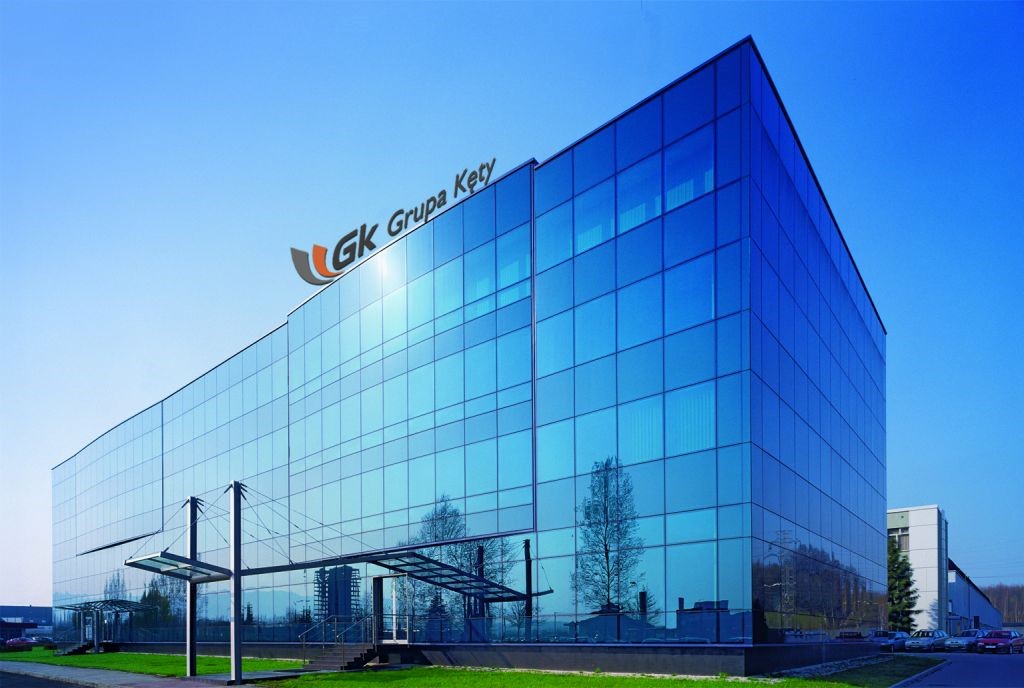
Poland’s Grupa Kety is advancing its aluminum downstream growth strategy to expand across western Europe and possibly the U.S. The Kety aluminum downstream growth plan leverages its recently upgraded extrusion capacity and aims to strengthen market presence through acquisitions and brand unification.

Strategy Centers on Value Chain Expansion, Not Capacity

Kety’s extrusion plant in Poland increased its capacity from 110,000 to 125,000 t/yr in 2024. However, rather than investing in new capacity, the company seeks to improve utilization and expand downstream offerings. The focus will be on construction profiles and sunshade systems, particularly under the Aluprof brand. Kety’s VP of development, Roman Przybylski, emphasized that future acquisitions will involve minimal new extrusion assets, as the company intends to fully utilize existing production lines.

Meanwhile, Przybylski is set to become CEO in the coming month, replacing long-time leader Dariusz Manko after two decades at the helm.

Sales Improve Despite Market Headwinds

Kety sold 25,500 tonnes of extruded aluminum products in Q1 2025, marking a 7% year-on-year increase. This growth came despite weak demand across the broader aluminum market. The construction sector remains Kety’s largest client group, while sales to automotive and industrial manufacturing customers have declined.

Utilization of Kety’s extrusion capacity dipped slightly to 83% in Q1, compared to 84% a year earlier. The company aims to exceed current nameplate capacity by producing 134,000 t/yr of extrusions by 2029—about 7% more than current output.

Long-Term Focus on European and U.S. Markets

Kety plans to grow its downstream footprint primarily in western Europe, with potential entry into the U.S. Through greenfield investment and select acquisitions, the company seeks greater control over its value chain and improved profitability. Consolidating operations under Aluprof signals a strategic effort to build brand equity in architectural and building solutions.

The Metalnomist Commentary

Grupa Kety’s strategy reflects a shift from capacity expansion to value-added integration. By focusing on construction and sunshade systems under a unified brand, the firm is positioning itself as a key aluminum solutions provider in high-margin sectors.

Kaiser Aluminum Shipments Forecast Rises on Aerospace and Packaging Demand

No comments
Kaiser Aluminum Shipments Forecast Rises on Aerospace and Packaging Demand
Kaiser Aluminum

Kaiser Aluminum shipments forecast has been raised for 2026 as stronger aerospace, packaging and general engineering demand supports the US semi-fabricated aluminum producer. The company lifted its full-year outlook after first-quarter sales volumes rose by 6.8% year on year to 294mn lb.

Kaiser Aluminum shipments forecast improvement reflects a stronger order environment across several higher-value end markets. Aerospace and packaging deliveries led the increase, while improved manufacturing efficiency also supported the company’s outlook.

Kaiser Aluminum shipments forecast also points to a broader recovery in selected US aluminum demand channels. Commercial aircraft production targets, defence spending, packaging product mix and reshoring-related activity are all supporting shipment expectations.

The company’s quarterly profit nearly tripled to $63mn, while revenue rose by 42% to $1.1bn. The result shows how stronger volumes, better margins and end-market positioning can improve performance for downstream aluminum manufacturers.

Aerospace and Packaging Drive Higher Shipment Guidance

Kaiser now expects aerospace sales volumes to rise by 15-20% this year from 2025 levels. The company had previously expected growth of 10-15%.

The stronger aerospace outlook reflects higher production targets from commercial aircraft manufacturers and the end of some industry destocking. Kaiser reported solid aerospace bookings and shipments in the first quarter.

First-quarter aerospace shipments rose by 9.2% year on year to nearly 62mn lb. The increase shows that demand for aerospace aluminum products is strengthening as aircraft production plans recover.

However, original equipment manufacturers have been slower to reduce some aluminum plate inventories compared with other semi-finished products. This suggests aerospace demand is improving, but inventory normalisation remains uneven across product categories.

Reduced aluminum imports also supported Kaiser’s aerospace outlook. The company pointed to market share gains as US buyers increasingly seek domestic or more secure supply sources.

Defence demand provided another lift. Kaiser said demand for some defence-related products had quadrupled compared with earlier expectations of smaller gains.

Packaging is also improving. Kaiser now expects 2026 packaging shipments to rise by 10-15% from 2025, compared with its previous forecast of 5-10% growth.

First-quarter packaging deliveries rose by nearly 13% to almost 147mn lb. The company is benefiting from its strategic shift toward higher-margin coated products, including lid stock for beverage cans.

The ramp-up of Kaiser’s fourth coating line at its Warrick rolling mill in Newburgh, Indiana, remains important to this strategy. The new line advanced in the quarter, although the company cited persistent challenges involving on-time deliveries and broader performance concerns from certain converters.

Kaiser plans to operate the new coating line at 80% capacity utilisation before moving to full rates. This measured approach reflects the company’s focus on meeting customer commitments after delivery delays in recent years.

General Engineering Improves While Automotive Remains Cautious

Kaiser also raised expectations for general engineering shipments. The company now expects full-year volumes to rise by 5-10% over 2025, compared with earlier guidance of 3-5%.

The improvement reflects customer restocking after inventory drawdowns. Order activity has increased, particularly for plate products used in semiconductor production.

Tariff-related reshoring also supported the updated outlook. As customers reassess supply chains, domestic aluminum plate and engineered products can benefit from efforts to reduce import exposure.

First-quarter general engineering shipments still fell by 1.5% year on year to 64mn lb. This shows that recovery is still developing and depends on restocking and downstream project activity.

Automotive remains more cautious. Kaiser now expects automotive extrusion deliveries to be flat to down 5% from 2025, better than the previous expectation of a 5-10% decline.

First-quarter automotive extrusion deliveries fell by 7.5% to 22mn lb. High borrowing costs and tariff-related uncertainty continue to weigh on broader automotive sentiment.

Still, demand for light trucks and SUVs remains healthy. This supports consumption of Kaiser’s aluminum products because these vehicle categories often use aluminum components for weight reduction and performance.

The company has two major plant outages planned this year for equipment repairs and upgrades. It is also reviewing plans to expand production capacity for aluminum driveshafts.

Kaiser’s revised outlook shows a more selective aluminum market. Aerospace, defence, packaging and semiconductor-linked engineering demand are improving, while automotive remains exposed to consumer financing conditions and tariff uncertainty.

For the US aluminum value chain, the result reinforces the importance of higher-value semi-fabricated products. Demand is strongest where aluminum supports aircraft production, packaging efficiency, defence systems, semiconductor equipment and reshored manufacturing.

The Metalnomist Commentary

Kaiser’s raised guidance shows that US aluminum demand is improving in high-value sectors rather than across the entire market. Aerospace, packaging and semiconductor-linked plate are carrying the upside, while automotive remains the main weak point.

EGA Aluminum Plant Investment of $4 Billion Transforms US Production Landscape

No comments
EGA Aluminum Plant Investment of $4 Billion Transforms US Production Landscape
EGA Aluminum Ingot

EGA aluminum plant investment reaches $4 billion for a new primary aluminum production facility in Oklahoma, targeting 2030 startup. The massive EGA aluminum plant will produce up to 600,000 metric tonnes annually, nearly doubling US aluminum production capacity as the country produced only 670,000 tonnes in 2024 according to the US Geological Survey.

Strategic Timing Leverages US Trade Protection Measures

EGA aluminum plant development benefits from favorable US trade policies including the current 25% tariff on aluminum imports. This protective measure creates significant cost advantages for domestic production compared to foreign competitors. The timing aligns perfectly with American reshoring initiatives and critical materials supply chain security priorities.

Meanwhile, EGA expects construction to commence by late 2026, pending completion of feasibility studies and long-term power supply contract negotiations. Tax credit arrangements represent another crucial component of the project's financial structure, demonstrating the importance of government incentives for large-scale industrial investments in the current economic environment.

UAE Company Expands North American Footprint

However, Emirates Global Aluminium brings substantial international expertise to the US aluminum market through its global production portfolio. The company owns primary and secondary aluminum projects worldwide, including Minnesota-based Spectro Alloys acquired through a majority stake purchase in August 2024. This existing US presence provides operational knowledge for the Oklahoma facility development.

Therefore, EGA's investment strategy demonstrates confidence in long-term US aluminum demand growth across automotive, aerospace, and construction sectors. The 600,000-tonne annual capacity represents nearly 90% of current total US aluminum production, highlighting the transformative scale of this single project for domestic supply chains.

Presidential Announcement Signals Strategic Partnership

Furthermore, President Trump announced EGA's planned investment during his Abu Dhabi visit this week alongside $200 billion in other commercial agreements. This high-profile endorsement underscores the strategic importance of UAE-US economic cooperation in critical materials sectors. The announcement timing suggests coordinated efforts to strengthen bilateral trade relationships.

As a result, the Oklahoma facility positions EGA to capture growing North American aluminum demand while reducing US import dependence. The project's scale and timeline align with infrastructure modernization requirements and defense industry priorities that demand reliable domestic aluminum supplies for national security applications.

The Metalnomist Commentary

EGA's $4 billion Oklahoma investment exemplifies how international aluminum producers capitalize on US trade protection and reshoring trends to establish strategic manufacturing footholds. The project's potential to nearly double US aluminum production capacity demonstrates the scale of investment required to meaningfully impact critical materials supply chain resilience in an increasingly fragmented global trade environment.

Steel replaces aluminum in autos as Cleveland-Cliffs courts OEMs

No comments
Steel replaces aluminum in autos as Cleveland-Cliffs courts OEMs
Cleveland-Cliffs

Steel replaces aluminum in autos as Cleveland-Cliffs seizes a rare opening in the US market. The steelmaker has completed a trial that used an automaker’s aluminum stamping equipment to press exposed steel body parts, without any tooling change. As a result, Cleveland-Cliffs now supplies routine production to that OEM and is fielding fresh inquiries from other automakers.

Steel replaces aluminum in autos after Novelis Oswego fire

The Novelis Oswego hot-mill fire created the moment in which steel replaces aluminum in autos more visibly. The blaze disrupted US automotive-body sheet supply, particularly for Ford and other large OEMs that rely on Novelis’ aluminum sheet. Cleveland-Cliffs moved quickly to demonstrate that corrosion-resistant steel stampings can run on existing aluminum presses with “no defects”, avoiding the high cost and delay of retooling.

However, a full structural swing back to steel still faces weight and fuel-efficiency headwinds. Automakers shifted to aluminum a decade ago to meet tightening emissions and mileage rules. Any broad move where steel replaces aluminum in autos will depend on advanced high-strength steel grades matching lightweighting targets, not just short-term supply disruptions.

What the steel pivot means for metals supply chains

The trial underscores how supply shocks can reopen material choices across automotive platforms. If more OEMs validate exposed steel on aluminum stamping lines, some incremental body-in-white demand could migrate from aluminum sheet back to coated automotive steel. That would tighten US flat-rolled steel balances while easing some pressure on aluminum body sheet during Novelis’ recovery.

Yet the aluminum industry is already mobilising its response. Novelis plans to restart its Oswego hot-rolling mill in December, far earlier than initial expectations. Other aluminum rollers are also qualifying alternative lines and products to backfill lost automotive-body sheet volumes. In that environment, Cleveland-Cliffs’ initiative is less a permanent displacement and more a strategic wedge into future platform decisions.

Focus keyphrases: steel replaces aluminum in autos, automotive-body sheet, Cleveland-Cliffs steel, Novelis Oswego fire

The Metalnomist Commentary

This episode shows how operational disruptions can quickly spill into long-term material strategy debates. Steelmakers that can prove drop-in compatibility on existing aluminum tooling gain leverage in negotiations over future model cycles. For metals suppliers on both sides, the real contest will be decided not by one fire, but by who can best align cost, weight and security of supply over the next decade.

EGA Minnesota aluminum billet output begins at Spectro Alloys

No comments
EGA Minnesota aluminum billet output begins at Spectro Alloys
EGA

Capacity, timeline, and circular aluminum strategy

EGA Minnesota aluminum billet output begins at Rosemount after the Spectro Alloys expansion. The first phase targets 55,000 tonnes. EGA Minnesota aluminum billet output strengthens regional recycled aluminum supply.

The $71 million project lifts site capacity to 165,000 tonnes annually. The expanded facility produces recycled aluminum ingots and billets. EGA owns 80% of EGA Spectro Alloys, ensuring control over operations.

Management expects full production by the first quarter of 2026. The phased ramp supports quality and customer qualifications. Customers gain reliable secondary billet for automotive and extrusion demand.

U.S. growth plans and market implications

EGA plans a $4 billion primary aluminum plant in Oklahoma. That smelter targets 600,000 tonnes per year. The U.S. footprint spans recycling and primary metal, improving supply optionality.

Recycled billet reduces carbon intensity and energy costs. As a result, buyers meet tightening sustainability requirements. Integrated sourcing should stabilize lead times and alloy consistency.

EGA Minnesota aluminum billet output complements U.S. primary ambitions. Therefore, North American buyers gain supply security and product diversity. The combined strategy supports long-term customer partnerships.

The Metalnomist Commentary

This expansion pairs circular feedstock with a coming primary smelter. Execution hinges on scrap availability, energy pricing, and extrusion demand. Watch qualification timelines and the Oklahoma financing path.

CBA Forecasts Higher Aluminum Sales Despite Production Cuts in 2025

No comments
CBA Forecasts Higher Aluminum Sales Despite Production Cuts in 2025
cba

Brazilian aluminum producer CBA projects increased aluminum sales for 2025, targeting 500,000 metric tonnes despite planned production reductions in the coming months. The company anticipates stronger demand from construction, energy, and automotive sectors will drive sales growth, even as scheduled refinery maintenance temporarily constrains output capacity.

Production Challenges and Market Strategy

CBA expects aluminum production to decline significantly during the second quarter due to planned refinery maintenance, cutting output to 80,000 tonnes. However, the company projects production will recover to 90,000 tonnes by the end of the third quarter as maintenance activities conclude. Meanwhile, aluminum prices are expected to stabilize between $2,350-$2,400 per tonne throughout the forecast period.

The company's first quarter performance showed mixed results across different product segments. Primary aluminum segment sales decreased by 7% to 61,000 tonnes, down from 66,000 tonnes in the prior year, primarily due to reduced billet sales. Conversely, recycled aluminum sales surged 19% to 26,000 tonnes, compared to 20,000 tonnes in the same period last year.

Export Dynamics and Global Market Influences

CBA's export strategy has shifted significantly, with exports representing only 4% of shipments in the first quarter, down from 10% in the previous year. This reduction reflects changing market dynamics and the company's focus on domestic demand. Therefore, CBA concentrates on serving Brazilian markets while maintaining selective international presence.

Global scrap market conditions increasingly influence CBA's operational decisions and cost structure. The company considers adjusting scrap usage patterns as higher US demand, driven by tariff exemptions, has elevated scrap prices worldwide. As a result, these market dynamics require strategic planning to maintain competitive pricing while securing adequate raw material supplies.

However, CBA remains optimistic about aluminum demand prospects across key industrial sectors. The construction, energy, and automotive industries show promising growth trajectories that support the company's ambitious sales targets for 2025.

The Metalnomist Commentary

CBA's strategic approach demonstrates the complex balance between production constraints and market opportunities in the global aluminum industry. The company's ability to increase sales despite lower output reflects strong domestic demand and efficient capacity utilization, positioning CBA to capitalize on Brazil's growing industrial aluminum consumption.

Eastern Metal Supply Acquisition Expands US Aluminum Distribution Network

No comments
Eastern Metal Supply Acquisition Expands US Aluminum Distribution Network
Eastern Metal Supply

Eastern Metal Supply acquisition of American Metals Supply strengthens the company’s US aluminum products distribution footprint across the Midwest and southern states. The deal adds 10 locations across seven states to EMS’ service network.

Eastern Metal Supply acquisition gives the Lake Worth, Florida-based distributor broader geographic reach and a wider product offering. Financial terms were not disclosed.

Eastern Metal Supply acquisition is significant because aluminum distribution remains a key link between mills, extruders, fabricators and end users. Regional service networks help customers secure material, manage lead times and access value-added products.

American Metals Supply, based in Tampa, Florida, supplies aluminum products to patio and industrial markets. It also offers a full line of heating, ventilation and air conditioning products.

Geographic Reach Becomes a Distribution Advantage

The acquisition expands EMS’ presence in important US regional markets. More locations can improve customer service, shorten delivery routes and increase inventory availability.

Distribution scale matters in aluminum because buyers often need flexible supply across standard shapes, extrusions, sheet, coil, accessories and fabricated products. A broader branch network can help distributors respond faster to local demand.

The Midwest and southern US remain important markets for construction, industrial manufacturing, patio products, HVAC systems and aluminum fabrication. EMS’ expanded footprint should give the company stronger access to these customer bases.

The deal also reflects consolidation in metals distribution. Larger distributors can use wider logistics networks, purchasing scale and broader product lines to compete more effectively.

Aluminum Service Centers Follow End-Market Demand

AMS brings exposure to patio and industrial end markets, along with HVAC products. These sectors support steady aluminum consumption through residential improvement, commercial building, mechanical systems and light industrial applications.

For EMS, the acquisition improves its ability to serve customers that need both aluminum products and adjacent building-system materials. This can create cross-selling opportunities across construction and industrial accounts.

The deal also shows that aluminum distribution strategy is moving closer to end-use specialization. Customers increasingly value suppliers that understand their applications, not only basic metal inventory.

As aluminum demand becomes more segmented, distributors with stronger regional coverage and market-specific product portfolios will be better positioned. EMS’ acquisition of AMS fits that direction.

The Metalnomist Commentary

This deal is not about primary aluminum capacity; it is about control over downstream access. In a market shaped by logistics, tariffs and regional demand, distribution networks are becoming a strategic layer of the aluminum supply chain.

Kibar Americas Fairmont Facility Acquisition Gives Assan Its First US Aluminum Plant

No comments
Kibar Americas Fairmont Facility Acquisition Gives Assan Its First US Aluminum Plant
Kibar Americas

Kibar Americas Fairmont facility acquisition gave Turkey-based Assan Aluminyum its first manufacturing footprint in the US. Kibar Americas, a subsidiary of Assan, bought Novelis’ former aluminum rolling facility in Fairmont, West Virginia.

The deal gives Kibar Americas an established industrial site with cold-rolling and finishing capabilities. The 380,000ft² facility is expected to support production of aluminum foil products, although the company is still evaluating future use options.

Kibar Americas Fairmont facility plans matter because aluminum foil demand remains tied to packaging, industrial applications, energy systems, electronics, and flexible materials supply chains. A US manufacturing base also gives Assan a closer position to North American customers.

Fairmont Site Offers Ready Aluminum Rolling Infrastructure

The former Novelis site gives Kibar Americas an existing production platform rather than a greenfield project. Its cold-rolling mill and finishing capabilities could shorten the path toward US-based aluminum foil output.

Novelis announced in March 2025 that it would close the Fairmont facility by 30 June 2025 as part of a portfolio consolidation plan. Kibar’s acquisition keeps the site inside the aluminum value chain and could preserve industrial optionality in West Virginia.

The transaction details were not disclosed. However, the strategic meaning is clear: Kibar Americas Fairmont facility acquisition allows Assan to expand beyond its Turkish production base and enter the US market with physical manufacturing capacity.

Assan Aluminyum Extends Its Foil Strategy Into the US

Assan Aluminyum currently has 360,000 t/yr of flat-rolled aluminum capacity across its Istanbul and Kocaeli facilities. Of that total, 130,000 t/yr is dedicated to aluminum foil output.

The Fairmont acquisition could complement that existing foil platform. It may help Assan reduce logistics distance, improve customer responsiveness, and manage trade or tariff exposure in the North American market.

For the US aluminum sector, the deal shows continuing interest in downstream rolling and foil capacity. While primary aluminum production faces power-cost pressure, downstream aluminum processing remains strategically relevant for packaging, manufacturing, automotive, and industrial supply chains.

The Metalnomist Commentary

Kibar’s move shows that established US rolling assets still carry strategic value, even after major producers consolidate capacity. For Assan, the Fairmont site could become a foothold for building a North American aluminum foil platform rather than only an overseas acquisition.

Novelis to Close Two US Aluminum Facilities Amid Strategic Portfolio Consolidation

No comments
Novelis to Close Two US Aluminum Facilities Amid Strategic Portfolio Consolidation
Novelis

Novelis Shutters Richmond and Fairmont Plants, Affecting Over 250 Jobs

US-based aluminum rolling giant Novelis will close two of its aluminum facilities in the US as part of a broader portfolio consolidation. The Richmond, Virginia, plant will cease operations by May 30, while the Fairmont, West Virginia, site will shut down by June 30, according to a company spokesperson. The closures will affect more than 250 workers, as indicated in Worker Adjustment and Retraining Notification (WARN) filings.

The Richmond site produces aluminum rolled sheet used primarily in the building and construction sector. Meanwhile, the Fairmont plant supplies sheet and light gauge fin/foil products to both domestic and international markets. Novelis has not yet disclosed where the affected production volumes may be redirected.

Uncertainty Over Tariff Impact and Supply Chain Adjustments

While Novelis did not attribute the closures directly to tariffs, the decision follows recent trade policy changes. The US Commerce Department in March added canned beer and empty aluminum cans to the list of aluminum products now subject to a 25% tariff. This expansion of aluminum trade restrictions has stirred concerns within the US packaging and metals industries.

The company has also declined to clarify whether production will shift to other US sites or move abroad. Analysts are closely monitoring whether this consolidation signals deeper shifts in Novelis' US manufacturing footprint or its evolving supply chain strategy.

Broader Implications for the US Aluminum Sector

These closures come amid heightened scrutiny of global aluminum trade flows, particularly involving Chinese overcapacity and retaliatory trade measures. As US-based firms reevaluate production economics, facility consolidation may become more common.

The aluminum rolling industry is capital-intensive, and margin pressures from construction and packaging demand fluctuations are significant. Novelis’ action could be a harbinger of a reshuffling of North American flat-rolled capacity in response to policy, demand, and cost headwinds.

The Metalnomist Commentary

Novelis’ consolidation reflects deeper tensions in the aluminum sector, balancing plant economics, demand variability, and trade pressures. As the US doubles down on tariffs, manufacturers face growing challenges in justifying capacity retention. The next moves from Novelis—and its rivals—will likely shape the trajectory of rolled aluminum supply in North America.

Alcoa Massena aluminum smelter investment anchors long-term US primary capacity

No comments
Alcoa Massena aluminum smelter investment anchors long-term US primary capacity
Alcoa Massena aluminum smelter

Alcoa Massena aluminum smelter investment marks a renewed commitment to US primary aluminum production and regional industrial jobs. The company has secured a 10-year, 240MW renewable power contract from the New York Power Authority, with extension options. This long-dated Massena renewable power deal underpins operations and gives Alcoa confidence to reinvest capital in the site. As a result, the plant’s future looks more secure in a market focused on low-carbon metal.

Alcoa will pair the new power deal with a $60mn modernization of the smelter’s anode baking furnace. The project, partially supported by a $6mn grant from Empire State Development, will run through 2028. Modern anode technology should improve energy efficiency and process stability, supporting lower emissions per tonne of primary aluminum. Therefore, the Alcoa Massena aluminum smelter investment aligns commercial resilience with decarbonisation goals.

Renewable power underpins Massena smelter competitiveness

The Massena renewable power deal is central to Alcoa’s cost and carbon strategy at the smelter. The 240MW allocation of renewable energy, starting 1 April, lowers exposure to volatile market power prices. It also strengthens Alcoa’s ability to market lower-carbon primary aluminum to automotive and packaging customers. Over time, options for two additional five-year terms could extend that visibility well beyond 2035.

Access to dedicated hydropower and other low-carbon sources is increasingly a competitive advantage in smelting. Many global smelters face pressure from higher fossil-based electricity prices and tightening climate policies. By contrast, Massena’s power structure gives Alcoa a stable platform for long-term contracts with downstream buyers. Consequently, the Massena renewable power deal reinforces the strategic value of US smelting capacity.

Modern anode baking furnace supports capacity and ESG goals

Upgrading the anode baking furnace is a critical part of the Alcoa Massena aluminum smelter investment. Carbon anodes are consumed in the electrolytic process, combining with oxygen from alumina and leaving molten aluminum. Furnace design and performance directly affect energy use, cell stability and overall emissions. New equipment should lift reliability, extend anode life and improve current efficiency in the pots.

It remains unclear whether nameplate capacity of 130,000 t/yr will change after the project. However, better anode performance often translates into higher effective output and lower unit costs. That, in turn, can support longer-term employment and justify further incremental improvements at the site. In a market where buyers increasingly demand traceable low-carbon aluminum, the Alcoa Massena aluminum smelter investment positions the plant as a more attractive supplier.

The Metalnomist Commentary

This package of renewable power and furnace modernisation shows how policy support can unlock private capital for hard-to-abate industries. If Massena’s upgraded profile leads to greener, more competitive primary aluminum, it could become a blueprint for other legacy smelters in North America. For downstream OEMs, a more secure and cleaner US supply base reduces dependence on higher-carbon imports.

Bonnell Aluminum Shipments Fall as Solar, Auto and Construction Demand Weakens

No comments
Bonnell Aluminum Shipments Fall as Solar, Auto and Construction Demand Weakens
Bonnell

Bonnell Aluminum shipments fell in the first quarter as weaker demand from solar panel manufacturers, automotive customers and nonresidential building markets weighed on the US extruder. Total shipments declined by 7.3% year on year to 35.2mn lb.

Bonnell Aluminum shipments showed the split in US extrusion demand. Traditional volume markets weakened, while T-slotted extrusions used in data centers, automation and manufacturing increased sharply.

Bonnell Aluminum shipments also reflected a more difficult order environment. New orders fell by 20% to 2.8mn lb/week, while open orders dropped by 24% to 19mn lb at the end of the quarter.

The company said open orders are now below levels normally associated with stable demand. That signals weaker near-term visibility for US extruders despite revenue growth from higher metal cost pass-through.

Solar, Automotive and Construction Weakness Pressure Volumes

Nonresidential building and construction shipments fell by 6% as higher costs and economic uncertainty weighed on demand. This is important because construction remains one of the largest end-use markets for aluminum extrusions.

Automotive and transportation shipments fell by 19%. Manufacturers faced higher cost pressure, which reduced extrusion consumption in a sector already sensitive to borrowing costs, tariffs and consumer demand.

Electrical shipments were the weakest segment. Deliveries fell by 45% after the expiration of federal tax credits for solar panels.

The solar decline shows how policy incentives can directly affect aluminum extrusion demand. When installation incentives weaken, demand for solar frames, mounting systems and related electrical infrastructure can slow quickly.

Revenue still increased by 19.3% to $159.5mn. The gain came mainly from passing higher metal costs through to customers rather than stronger physical volume.

This distinction matters for aluminum processors. Higher revenue can mask weaker demand if it is driven by metal price inflation instead of shipment growth.

Data Centers and Tariff Enforcement Offer Offset

T-slotted extrusion shipments rose by 70% from a year earlier. These products are used in data centers, automation and manufacturing, where demand for data containment and infrastructure continues to grow.

The strength in T-slotted extrusions shows how data center investment is creating new demand pockets for aluminum. As AI infrastructure expands, demand for modular framing, enclosures, racks, support systems and industrial automation structures can increase.

Bonnell also pointed to import competition. The company said new orders were hurt by softer US demand and undervaluation of imported extrusions.

The White House changed enforcement of Section 232 tariffs on aluminum derivative products on 6 April. Primary metal products are now tariffed at 50%, rather than 50% of the reported metal content value inside an item.

Bonnell said the change should close a loophole that allowed undervaluation of imported manufactured aluminum products. Stronger enforcement could improve the competitive position of domestic extruders if applied consistently.

The company is also adjusting its billet strategy. It has moved away from Middle Eastern billet supply and is favouring North American suppliers after supply constraints linked to the US-Israel war on Iran.

Bonnell is also optimising its own billet casting operations at Carthage, Tennessee, and Newnan, Georgia. This should help reduce exposure to external billet supply disruption and improve feedstock control.

The quarter therefore shows two competing forces. End-market demand is weak in several traditional segments, but data center demand, tariff enforcement and domestic billet optimisation may provide strategic support.

The Metalnomist Commentary

Bonnell’s first quarter shows that US aluminum extrusion demand is no longer moving as one market. Construction, solar and automotive are weak, but data centers and tighter tariff enforcement could create a more selective recovery for domestic extruders.

Alcoa aluminum output rises as alumina and bauxite slip

No comments
Alcoa aluminum output rises as alumina and bauxite slip
Alcoa Aluminum

Alcoa aluminum output increased in the second quarter despite upstream weakness and tariff pressure. The Brazil Alumar ramp-up offset delays at Spain’s San Ciprián smelter and stabilized smelting utilization. Management maintained 2025 aluminum production guidance at 2.3–2.5 million tonnes, signaling operational confidence. However, shipments lagged as the restart pause and trade frictions disrupted flows across key corridors. Alcoa aluminum output momentum nevertheless underpins a cautious but improving outlook for margins.

Tariffs reshape shipments and guidance

Tariffs continue to weigh on realized economics and delivery patterns across North America. Alcoa cut full-year shipment guidance to 2.5–2.6 million tonnes to reflect power and logistics headwinds. It also expects about $90 million of tariff costs in the third quarter, pressuring profitability. Canadian metal was redirected away from the United States to mitigate incremental import charges. Peers face similar headwinds, confirming broader cost inflation across global aluminum supply chains. As a result, Alcoa aluminum output strength must translate into disciplined commercial execution.

Upstream constraints and sourcing strategy

Bauxite and alumina production declined as the Kwinana refinery closure reduced available refining capacity. Even so, Alcoa kept 2025 alumina production guidance at 9.5–9.7 million tonnes, highlighting operational flexibility. To honor contracts, the firm will ship more alumina than it produces through third-party sourcing. This strategy preserves customer commitments while the San Ciprián restart progresses toward mid-2026 completion. Meanwhile, the Brazil Alumar ramp provides volume resilience across the smelting portfolio.

The Metalnomist Commentary

Alcoa is leaning on Alumar’s ramp and agile sourcing to bridge upstream gaps and tariff friction. Watch the cadence of San Ciprián’s restart, tariff pass-through in contracts, and regional premia trends. If physical tightness persists, disciplined sales mix could translate output gains into durable cash flow.

EGA to Acquire Majority Stake in US-based Spectro Alloys, Expanding Into Secondary Aluminum Market

No comments

Emirates Global Aluminium (EGA), the UAE's primary aluminum producer, is set to acquire an 80% stake in Spectro Alloys, a Minnesota-based secondary aluminum smelter. This move marks a strategic expansion into the U.S. market, bolstering EGA’s presence in a region that accounted for over a quarter of its global aluminum sales in 2023, equating to 550,000 metric tonnes.

The acquisition of Spectro Alloys will significantly enhance EGA's capabilities in the secondary aluminum sector, which involves the production of aluminum primarily from recycled scrap. This market is poised for substantial growth, with estimates suggesting that recycled aluminum will drive 60% of global aluminum supply growth by 2030, increasing to 70% between 2030 and 2040.

This latest acquisition aligns with EGA’s broader strategy to capitalize on the growing demand for sustainable aluminum. In May, EGA acquired German specialty foundry Leichtmetall, which has an annual production capacity of 30,000 tonnes. Additionally, EGA is constructing a recycling plant in the UAE, set to produce 170,000 tonnes of aluminum billets annually from both pre- and post-consumer scrap.

Spectro Alloys, with its current production capacity of 110,000 tonnes of aluminum ingots per year, is also expanding. The company began construction in March on an expansion project that will add 55,000 tonnes of billet production capacity in its first phase.

The transaction, pending regulatory approval, is expected to be finalized this quarter. Financial details of the deal have not been disclosed.

Aluminz aluminum tolling plant to boost US recycling capacity in Texas

No comments
Aluminz aluminum tolling plant to boost US recycling capacity in Texas
Aluminz

Aluminz aluminum tolling plant will open in Texas to expand closed-loop recycling. The Aluminz aluminum tolling plant targets mid-to-late 2027 startup with 140,000 t/yr capacity. As a result, the Aluminz aluminum tolling plant aims to cut waste and customer emissions.

Capacity, location, and process flow

Aluminz will build in Mount Pleasant, Texas, near major rail lines. The site spans 220,000 ft² on a 155-acre lot. The plant will use two tilting rotary furnaces and one reverberatory furnace. A cast house will produce alloy sows for revert services. The project cost exceeds $50mn, mostly via municipal bonds. Permitting is underway ahead of construction this fall.

Target feedstock, yield gains, and by-product strategy

Aluminz will toll white and black dross and turnings scrap. White dross contains 15–70% aluminum; black dross averages 12–18%. The company plans to lift yields from painted, anodized, or oily turnings. It estimates diverting about 60,000 t/yr of aluminum waste from landfills. Saltcake will be processed into reusable salt flux and aluminum oxides. Cement makers and other industries could use the oxides.

Aluminz sees an underserved US market for dross and turnings. Domestic primary aluminum still relies on imports. The US also imported 660,000 t of scrap in 2024. Therefore, added tolling capacity should strengthen regional supply chains. Customers will sign LOIs now and finalize contracts at startup.

The Metalnomist Commentary

This project tightens a weak link in North American aluminum circularity. Furnace choice, saltcake valorization, and rail access support competitive costs. If execution holds, Aluminz could set a template for dross-to-alloy recovery at scale.