Showing posts sorted by relevance for query Poland. Sort by date Show all posts

Poland’s KGHM targets higher copper output in 2026 as tax cuts lift incentives

No comments
Poland’s KGHM targets higher copper output in 2026 as tax cuts lift incentives
KGHM

Poland’s KGHM targets higher copper output in 2026 after Poland lowers its copper extraction tax. Poland’s KGHM targets higher copper output in 2026 despite planned maintenance shutdowns. Therefore, KGHM is positioning to capture stronger margins during a supportive fiscal window.

KGHM plans to produce 395,900 tonnes of copper concentrate from domestic operations in 2026. The company also targets 589,000 tonnes of electrolytic copper next year. Meanwhile, those targets imply modest growth of 0.9% and 3.9% respectively.

Tax reduction supports output and spending plans

Poland will cut the copper extraction tax rate from 1 January. The finance minister said the change will reduce tax receipts by 500mn zlotys in 2026. As a result, KGHM gains more flexibility to fund operations and reinvest in core assets.

KGHM also plans 4.1bn zlotys in 2026 capital expenditure at Polish sites. That figure rises from 3.8bn zlotys this year. Therefore, the company is pairing tax relief with higher infrastructure spending.

Maintenance risk and Chile exposure shape the 2026 mix

KGHM will run maintenance shutdowns at the Glogow II facility in the second half of 2026. The company will also shut the reverberatory furnace at its Legnica site. However, planned outages can pressure output timing and increase unit costs.

Poland’s KGHM targets higher copper output in 2026 even as its Sierra Gorda joint venture outlook softens. KGHM expects 51,000 tonnes of payable copper from Sierra Gorda next year. Meanwhile, molybdenum output is expected to fall to 952 tonnes due to lower-grade ore.

The Metalnomist Commentary

This plan reads like a disciplined response to a clear fiscal signal. However, execution will hinge on outage management and concentrate flows. If copper prices stay firm, KGHM’s capex push could compound the tax benefit.

Nowa Sol Copper Concentrate Talks Could Link Lumina Metals to KGHM Smelters

No comments
Nowa Sol Copper Concentrate Talks Could Link Lumina Metals to KGHM Smelters
Lumina Metals

Nowa Sol copper concentrate could become a new feed source for Poland’s dominant copper producer after Lumina Metals entered talks with KGHM over a potential supply agreement. The companies have signed a preliminary agreement to discuss concentrate supply from Lumina’s Nowa Sol project to KGHM’s copper smelters.

Nowa Sol copper concentrate discussions remain at an early stage. The agreement is not legally binding, but it gives both companies a formal framework to assess volumes, product quality and metallurgical compatibility.

Nowa Sol copper concentrate is strategically important because the project sits inside Poland’s northern copper belt, close to KGHM’s existing copper-silver operations. That location could reduce logistical complexity if the project advances and concentrate proves suitable for KGHM’s smelting system.

The talks also show how European copper producers are looking more closely at regional feedstock options. Copper concentrate availability remains tight globally, and smelters increasingly value nearby, compatible and traceable supply.

KGHM Compatibility Will Decide Commercial Potential

KGHM’s interest will depend on whether Nowa Sol concentrate fits its smelter requirements. Copper concentrate supply is not interchangeable because each smelter has limits around grade, impurities, mineralogy and blending needs.

The preliminary agreement focuses directly on those issues. Lumina and KGHM will evaluate potential volumes, product quality and metallurgical compatibility before any binding offtake structure can emerge.

This matters because smelter feed security is becoming more valuable. Global copper concentrate treatment charges have remained under pressure, reflecting tight mine supply and strong competition among smelters for suitable feed.

For KGHM, a nearby Polish concentrate source could offer strategic advantages if the material meets technical requirements. It could support domestic smelter utilisation and reduce dependence on longer-distance concentrate flows.

For Lumina, a potential supply route to KGHM would strengthen the Nowa Sol project’s commercial pathway. A project located near an established copper producer has a clearer route to market than one that must rely entirely on distant export channels.

Poland’s Copper Belt Gains Strategic Attention

Nowa Sol is Lumina’s flagship underground copper project. It covers a 120km² concession area in Poland’s northern copper belt, a region already associated with copper and silver production.

The project’s location near KGHM’s operations gives it industrial relevance beyond resource potential. Proximity to mining infrastructure, smelting expertise and an established copper workforce can improve development logic if technical and economic studies support the project.

Lumina listed on the Toronto Stock Exchange in April to raise capital for Nowa Sol. The KGHM discussions could help strengthen investor confidence by showing that the project has potential domestic offtake interest.

Poland is already a meaningful copper jurisdiction because of KGHM’s role as the country’s main producer. Any new copper concentrate source inside the same industrial region could support national and European supply security.

The broader market context is also supportive. Copper demand is rising from grids, electrification, renewable energy, data centres and industrial manufacturing, while new mine supply remains difficult to develop.

That makes regional copper projects more strategically valuable. Europe needs not only refined copper, but also mine supply and concentrate flows that can support existing smelting capacity.

The Lumina-KGHM talks are therefore modest in legal status but meaningful in direction. They show how copper supply chains are becoming more regional, technical and security-focused.

The Metalnomist Commentary

The potential Lumina-KGHM deal shows that copper value is increasingly tied to location and smelter fit, not only resource size. If Nowa Sol can deliver compatible concentrate near KGHM’s system, it could become a useful European copper supply asset.

EU Ferro-Titanium Imports Fell to 2009 Low After Russian Ban

No comments
EU Ferro-Titanium Imports Fell to 2009 Low After Russian Ban
Ferro-Titanium

EU ferro-titanium imports fell to their lowest level since 2009 in 2025 after sanctions blocked Russian material from entering the bloc directly or through Baltic transit routes. EU countries imported 30,171t of ferro-titanium last year, down 36% from 47,296t in 2024.

The sharp decline showed how deeply the European ferro-titanium market had depended on Russian supply and Baltic logistics. Estonia, Poland, and Latvia together accounted for 12,830t of EU supply, but the structure of that supply changed significantly once Russian-origin ferro-titanium was barred.

EU ferro-titanium imports from Estonia halved on the year to 6,384t. The decline suggests that Estonian flows now more closely reflect local production rather than Russian material transiting through the country.

Sanctions Shifted Supply Toward Estonia, Poland and India

Estonia remained the EU’s largest ferro-titanium supplier in 2025, while Poland became the second-largest intra-EU source. Polish shipments rose by a quarter to 3,834t, showing that European buyers were turning more heavily to regional producers after the Russian ban.

Imports from the UK fell 27% to 3,468t after the closure of TiVac last summer. Most of TiVac’s former volumes are expected to shift to Estonia, where FE Mottram is scaling up operations in Ahtme, while Transition Metals continues to operate in the UK.

India became a larger alternative supplier as exports to the EU rose 171% to 2,310t. Turkey’s shipments also surged to 1,000t, although these flows remain unclear because Turkey is not a known ferro-titanium producer.

Russian ferro-titanium imports fell to just 463t in 2025 after full implementation of EU sanctions on Russian ferro-alloys in December 2024. Russian exports largely moved to Asia, with Chinese imports from Russia reaching a record 6,381t last year.

Russian Scrap Flows Rose Before Late-Year Slowdown

Titanium scrap became a temporary workaround because Russian titanium scrap was not covered by EU sanctions. EU imports of Russian scrap doubled to 2,517t in 2025, with 2,406t entering Estonia.

Estonia then re-exported 2,277t of titanium scrap last year, showing how scrap flows supported the regional ferro-titanium supply chain after the ban on Russian ferro-alloys. However, this trade also weakened sharply toward year-end, with EU imports falling to 36t in December and 37t in January 2026.

European ferro-titanium prices averaged $4.98-5.33/kg Ti dp/df Rotterdam in 2025, down 28% from 2024. Weak steel mill consumption kept prices under pressure for most of the year.

The market later rebounded from multi-year lows in December. Supply concerns linked to Latvian producer LLR-Ecotech first supported the recovery, before higher scrap costs allowed other producers to raise offers.

The Metalnomist Commentary

The EU ferro-titanium market is now being rebuilt around sanctions compliance, regional production, and scrap availability. The Russian ban reduced headline imports, but it also exposed Europe’s dependence on flexible titanium scrap flows and a small group of regional producers.

KGHM to Increase Investments Amid Potential Copper Tax Reduction in Poland

No comments
KGHM

Polish Mining Giant KGHM Plans Growth Boost with Lower Copper Tax Talks

Poland's KGHM, one of the largest mining companies in Europe, is set to increase its investment capacity in the coming years. This announcement follows the country's finance minister, Andrzej Domanski, revealing plans to reduce the copper output tax starting in 2026. The company's president, Andrzej Szydlo, stated that favorable macroeconomic conditions, along with copper price levels and ongoing tax discussions, are creating an ideal environment for investment expansion.

KGHM's Positive Outlook with Lower Copper Taxes

The potential reduction in copper taxes could significantly enhance KGHM’s ability to boost its operations and expand its investments. The current economic climate, coupled with stable copper prices and the anticipated tax cut, has set the stage for the company to ramp up its investment activities. KGHM’s growth in copper production is evident, with the company producing 729,700 tonnes of payable copper in the previous year, a 2.6% increase compared to the prior year.

This growth is part of KGHM's broader strategy to remain competitive in the global mining sector, as the company plays a vital role in the European market. In fact, KGHM accounts for nearly half of the EU’s mined copper production, underlining its importance within the region’s metal industry.

Performance in Molybdenum Production

In addition to copper, KGHM also produces molybdenum, a critical component in steel production. However, the company’s molybdenum output saw a slight decline of 5.6% in the past year, with production reaching 2.4 million pounds. Despite this decrease, KGHM’s strong copper performance provides a solid foundation for its future growth and investment plans.

Conclusion: A Bright Future for KGHM with Tax Relief

With the possibility of lower copper taxes and its strong performance in copper production, KGHM is well-positioned to accelerate its investment activities. The company’s strategic growth will be enhanced by Poland’s favorable policy shift, making it one of the key players in Europe’s mining and metals industry for the years ahead.

AE Elemental Unveils New EV Battery Recycling Facility in Poland

No comments
AE Elemental

AE Elemental, a joint venture between US-based Ascend Elements and Poland’s Elemental Strategic Metals, has opened its first commercial-scale EV battery recycling facility in Zawiercie, Poland, on 19 September. The facility marks a significant step in advancing sustainability within the electric vehicle industry by disassembling, discharging, and shredding used EV batteries.

Expansion Plans in Europe

The facility, which is capable of processing 12,000 metric tonnes of used lithium-ion batteries annually, or roughly 28,000 batteries, produces black mass—a key material for manufacturing new batteries. AE Elemental plans to expand its operations by adding lithium extraction capabilities in 2024, with full-scale operations expected by 2026. This development will help European companies meet new EU regulations, which require a minimum amount of recycled content in batteries by 2030.

Additionally, AE Elemental has plans to construct another, larger facility in central Germany, with the capability to recycle 25,000 tonnes of EV batteries annually, or around 58,000 batteries. This expansion will further solidify AE Elemental’s role in Europe’s push towards a circular economy and sustainable energy solutions.

Kety Aluminum Downstream Growth Strategy Targets Europe and U.S. Markets

No comments
Kety Aluminum Downstream Growth Strategy Targets Europe and U.S. Markets
Grupa Kety

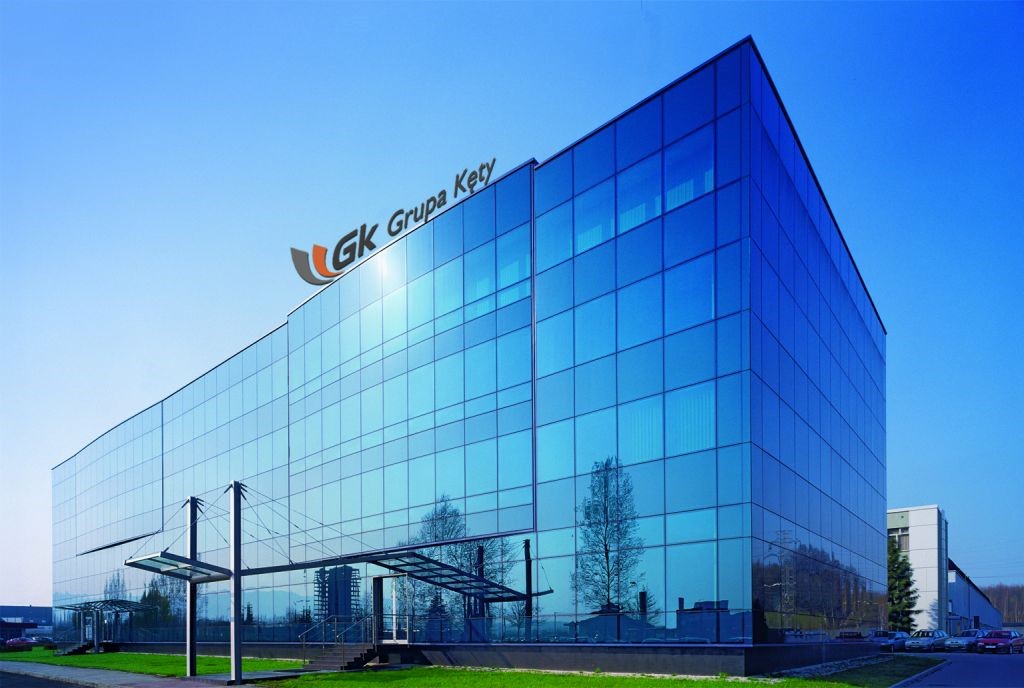
Poland’s Grupa Kety is advancing its aluminum downstream growth strategy to expand across western Europe and possibly the U.S. The Kety aluminum downstream growth plan leverages its recently upgraded extrusion capacity and aims to strengthen market presence through acquisitions and brand unification.

Strategy Centers on Value Chain Expansion, Not Capacity

Kety’s extrusion plant in Poland increased its capacity from 110,000 to 125,000 t/yr in 2024. However, rather than investing in new capacity, the company seeks to improve utilization and expand downstream offerings. The focus will be on construction profiles and sunshade systems, particularly under the Aluprof brand. Kety’s VP of development, Roman Przybylski, emphasized that future acquisitions will involve minimal new extrusion assets, as the company intends to fully utilize existing production lines.

Meanwhile, Przybylski is set to become CEO in the coming month, replacing long-time leader Dariusz Manko after two decades at the helm.

Sales Improve Despite Market Headwinds

Kety sold 25,500 tonnes of extruded aluminum products in Q1 2025, marking a 7% year-on-year increase. This growth came despite weak demand across the broader aluminum market. The construction sector remains Kety’s largest client group, while sales to automotive and industrial manufacturing customers have declined.

Utilization of Kety’s extrusion capacity dipped slightly to 83% in Q1, compared to 84% a year earlier. The company aims to exceed current nameplate capacity by producing 134,000 t/yr of extrusions by 2029—about 7% more than current output.

Long-Term Focus on European and U.S. Markets

Kety plans to grow its downstream footprint primarily in western Europe, with potential entry into the U.S. Through greenfield investment and select acquisitions, the company seeks greater control over its value chain and improved profitability. Consolidating operations under Aluprof signals a strategic effort to build brand equity in architectural and building solutions.

The Metalnomist Commentary

Grupa Kety’s strategy reflects a shift from capacity expansion to value-added integration. By focusing on construction and sunshade systems under a unified brand, the firm is positioning itself as a key aluminum solutions provider in high-margin sectors.

Collins Aerospace expands Polish landing gear site

No comments
Collins Aerospace expands Polish landing gear site
Collins Aerospace

Collins Aerospace expands Polish landing gear site to meet rising build rates and deepen European supply resilience. The Tajecina, Poland facility will gain 4,000m² of floorspace, with construction already under way and slated to finish by February 2026. Therefore, Collins Aerospace expands Polish landing gear site to increase systems throughput across main, nose, and wing assemblies and support OEM and MRO demand. Meanwhile, the company did not disclose unit capacity or the site’s previous footprint, but the scale and timeline signal multi-program support. However, the expansion’s near-term impact will hinge on workforce ramp, capital tooling, and supplier readiness.

Titanium-intensive content will rise with capacity

Collins Aerospace expands Polish landing gear site to process more high-strength titanium alloys used in beams and structural parts. As a result, grades such as Ti-5Al-5Mo-5V-3Cr and Ti-10V-2Fe-3Al will see increased pull through forging, machining, and finishing value chains. Therefore, billet, forgings, and plate procurement will need tight coordination with melt shops and service centers. Moreover, greater titanium usage implies elevated requirements for heat treatment, non-destructive testing, and shot peen capacity, reinforcing quality-system investments.

Europe’s aero supply chain gains depth and optionality

Collins Aerospace expands Polish landing gear site as Airbus and Boeing stabilize production and defense programs stay firm. Consequently, the Tajecina footprint strengthens EU and NATO supply optionality for landing gear and spares. Furthermore, a larger Collins presence can catalyze local cluster growth in Poland, attracting machining SMEs and special processors. However, execution risks remain, including skilled-labor availability, long titanium lead times, and potential forging bottlenecks. Therefore, strategic offtakes and dual-sourcing across mills and forgers will be essential to maintain schedule adherence.

The Metalnomist Commentary

This expansion aligns with multi-year aero recovery and defense tailwinds, positioning Collins to buffer program variability. Watch titanium feedstock contracts, special-process capacity, and NDT throughput as leading indicators of how quickly Tajecina converts floorspace into shipped landing gear.

KGHM Copper Production Fell in 2025 Despite Stronger Earnings

No comments
KGHM Copper Production Fell in 2025 Despite Stronger Earnings
KGHM

KGHM copper production declined in 2025 after planned maintenance at the Glogow II smelter and refinery in Poland and the first-quarter sale of the McCreedy West mine in Canada. The group’s full-year payable copper output fell 3% on the year to 710,000t.

KGHM copper production was also affected by weaker performance at its North American assets. KGHM International produced 52,200t of payable copper in 2025, down 14% from the previous year, because of the McCreedy West sale, lower recovery rates, and lower copper content in feed.

The weaker KGHM copper production result was partly offset by stronger output from the Sierra Gorda mine in Chile. Payable copper attributable to KGHM’s 55% stake in Sierra Gorda rose 8% on the year to 86,800t, supported by higher copper grades and better recovery rates.

Polish Smelter Maintenance Weighed on Copper Output

KGHM’s Polish operations remained the group’s core production base in 2025. Electrolytic copper production from Polish assets fell 3% on the year to 570,900t because of planned maintenance at Glogow II.

Fourth-quarter electrolytic copper output in Poland rose 1.6% on the year to 149,000t, showing some recovery after maintenance-related disruption. Copper in concentrate from Polish assets totalled 401,100t for the full year, broadly flat compared with 2024.

The results show that KGHM’s Polish copper chain remains operationally stable, but smelter and refinery availability can still influence annual payable production. For European copper supply, this matters because domestic smelting and refining capacity is becoming increasingly strategic as concentrate markets tighten.

Sierra Gorda and Higher Prices Supported Financial Performance

Sierra Gorda delivered a stronger result in 2025 and helped offset weakness elsewhere in the portfolio. KGHM’s attributable copper output from the Chilean mine rose because of better ore grades and recovery rates, while fourth-quarter output increased 6% on the year to 21,900t.

The mine also strengthened KGHM’s by-product profile. Sierra Gorda produced 5mn lb, or 2.27mn kg, of molybdenum in 2025, up 53% from the previous year.

Despite lower copper production, KGHM’s financial performance improved. Group net profit rose 28% on the year to 3.7bn zlotys, while EBITDA increased 22% to 10.3bn zlotys. Stronger copper prices helped support earnings, with the three-month LME copper contract averaging $9,965/t in 2025, up 7% from the previous year.

The Metalnomist Commentary

KGHM’s 2025 results show that copper producers can still improve earnings even when output falls, if prices and asset mix move in their favour. The stronger Sierra Gorda contribution also underlines the value of higher-grade, internationally diversified copper assets.

Ascend Elements Bankruptcy Exposes Pressure in Battery Recycling Market

No comments
Ascend Elements Bankruptcy Exposes Pressure in Battery Recycling Market
Ascend Elements

Ascend Elements bankruptcy filing shows how difficult the battery recycling business has become as electric vehicle adoption slows in the US and Europe. The US battery recycler has filed for Chapter 11 bankruptcy and will use the court-supervised process to restructure liabilities while continuing normal operations.

Ascend Elements bankruptcy comes despite major commercial and government-backed support. The company said it had secured more than $2bn in commercial agreements and a $320mn grant from Poland, but these were not enough to overcome longstanding financial issues and outstanding liabilities.

The filing highlights a broader weakness in the battery recycling sector. Recyclers need steady end-of-life battery and production scrap feedstock, but slower EV growth has limited available material and made it harder to sell recovered products into battery supply chains.

Funding and Offtake Deals Failed to Offset Financial Pressure

Ascend had previously planned to develop cathode active material production in Hopkinsville, Kentucky. However, the company and the US Department of Energy agreed in March 2025 to cancel a $164mn grant for that project.

The company later received a $320mn grant from Poland in May 2025 to build a precursor cathode active material plant. That support showed continued policy interest in battery materials localization, especially in Europe.

Ascend also signed a five-year offtake agreement to supply Trafigura with 15,000t of lithium carbonate from 2027 to 2031. The agreement gave the company a future sales channel, but it did not solve its immediate balance-sheet pressure.

Slower EV Growth Weakens Recycling Economics

Ascend Elements bankruptcy reflects the timing problem facing battery recyclers. Many business models were built around rapid EV growth, rising battery scrap availability and strong demand for recycled lithium, nickel, cobalt and cathode materials.

But slower EV adoption has delayed feedstock growth and reduced market confidence. Without sufficient input material and reliable downstream demand, recyclers can struggle to operate at the scale needed to justify large processing and materials investments.

The pressure is not limited to Ascend. Texas-based recycler Ecobat is selling assets in the UK, France, Italy, Germany and Austria to focus on North America, showing that consolidation and retrenchment are spreading across the sector.


The Metalnomist Commentary

Ascend Elements bankruptcy shows that battery recycling is strategically important but commercially unforgiving. The winners will be companies with secured feedstock, disciplined capital spending and customers ready to buy recycled battery materials at scale.

EU’s Copper Imports Increase in 2024 Despite Weak Demand in Germany

No comments
EU’s Copper Imports Increase in 2024 Despite Weak Demand in Germany
EU’s Copper Imports

Refined copper imports to the EU rose by 3.2% in 2024, led by Italy and Spain, despite falling demand in Germany.

Imports Rise, But Key Markets Show Strain

EU countries imported 1.71 million tonnes of refined copper in 2024, a 3.2% increase year on year, according to customs data. Italy remained the bloc’s top importer with 543,363 tonnes, representing 32% of total EU imports.

Germany, however, experienced a 13% drop in copper imports, falling to 413,245 tonnes. This reflects persistent challenges in Germany's industrial sectors due to rising energy prices and sluggish demand. The effects of the Covid-19 aftermath and Ukraine-related energy shocks have slowed recovery across EU economies.

Spain, Sweden, and the DRC See Significant Gains

Meanwhile, Spain increased its refined copper imports by 28%, reaching 142,231 tonnes, showing resilience in its industrial sectors. Sweden saw the largest year-on-year growth, with 119% more imports, totaling 107,794 tonnes.

On the supply side, Chile remained the largest exporter, delivering 307,885 tonnes to the EU — a 21% increase from 2023. The Democratic Republic of Congo (DRC) overtook Poland as the second-largest supplier, with 200,992 tonnes, up 11%. Together, Chile, DRC, and Poland made up 40% of the EU’s total refined copper supply in 2024.

Despite an overall 2.9% rise in global copper consumption, the EU market remains fragile. According to the International Copper Study Group, weak demand from automotive and construction sectors continues to weigh on European copper use.

The Metalnomist Commentary

The EU’s rising copper imports contrast sharply with the weakening of its core manufacturing sectors. Germany’s downturn reflects broader industrial deceleration, while southern and northern Europe appear more resilient. As the energy transition accelerates, copper sourcing will remain a geopolitical and industrial priority — and import trends are the first signal to watch.

Pratt & Whitney Capacity Expansion Targets Forgings and GTF MRO Bottlenecks

No comments
Pratt & Whitney Capacity Expansion Targets Forgings and GTF MRO Bottlenecks
Pratt & Whitney

Pratt & Whitney capacity expansion plans will add production and aftermarket capability across commercial and defence engine programmes. The RTX subsidiary will invest $200mn to increase engine component output and strengthen maintenance, repair and overhaul capacity.

Pratt & Whitney capacity expansion is strategically important because the company remains under pressure to improve geared turbofan engine deliveries for Airbus narrowbody aircraft. It must also support defence engine demand tied to F-15, F-16 and F-35 fighter programmes.

The investment will be split between manufacturing and GTF engine MRO. Half will support a new facility in Rzeszow, Poland, while the remaining $100mn will expand three US aftermarket sites.

The plan shows how aerospace supply chains are moving deeper into materials and repair bottlenecks. Engine production now depends on qualified forgings, titanium and nickel disks, powder metallurgy control, spare parts availability and faster shop-visit turnaround.

Rzeszow and Columbus Expand Forging Disk Output

Pratt & Whitney will invest $100mn in a new facility at its Rzeszow site in Poland. The facility will include equipment to heat treat, machine and test isothermal forgings.

The Polish operations support components for GTF engines used on Airbus narrowbody aircraft. They also support F100 and F135 engines used in F-15, F-16 and F-35 fighter programmes.

The Rzeszow expansion will support Pratt & Whitney’s plan to add a seventh isothermal forging press at its Columbus, Georgia manufacturing campus. Both projects are expected to be operational by 2028.

The combined investments are expected to increase output of nickel- and titanium-based compressor and turbine disks by 30%. These disks are critical rotating components in high-performance jet engines.

This matters for metals supply chains. Titanium compressor disks and nickel turbine disks require strict chemistry control, high-quality melting, forging, heat treatment and inspection.

Isothermal forging is especially important because it supports complex, high-strength components used under demanding temperature and stress conditions. Capacity expansion in this area directly affects engine production reliability.

Pratt & Whitney capacity expansion therefore targets one of the most sensitive parts of the aerospace supply chain. More disk capacity can help reduce constraints in both new engine output and spare parts availability.

GTF Aftermarket Investment Targets Turnaround Times

Pratt & Whitney will also invest $100mn across three US MRO sites to expand aftermarket capacity for the GTF engine. The sites are located in Irving, Texas, West Palm Beach, Florida, and Springdale, Arkansas.

Most of the MRO funding will go to Irving. The investment will add new equipment, increase on-site inventory and expand facility footprints.

The goal is to improve throughput and reduce repair turnaround times. This is crucial because GTF fleet issues have created heavy demand for inspections, shop visits and replacement parts.

The investment follows a $70mn expansion at Pratt & Whitney’s Columbus aftermarket services operation earlier this year. That project increased annual overhaul capacity by 25%.

Pratt & Whitney has been under pressure from Airbus because GTF delivery shortfalls have affected aircraft ramp-up plans. The company’s large commercial engine shipments fell by 15 units year on year to 235 in the first quarter.

The main challenge is balancing new engine production with spare parts and repair demand. A powder metal issue identified in 2023 forced accelerated inspections and potential rework across hundreds of A320neo aircraft.

Durability has also been a point of tension. European regulators approved Pratt & Whitney’s GTF Advantage for the A320neo on 17 April, and the upgrade is expected to double time on wing. An upgrade kit for in-service engines is expected later this year.

The MRO investment is therefore not only a repair capacity expansion. It is part of a wider effort to stabilise the GTF fleet, rebuild Airbus confidence and improve engine availability across the installed base.

The Metalnomist Commentary

Pratt & Whitney capacity expansion shows that aerospace bottlenecks are now concentrated in qualified materials, forgings and MRO infrastructure. The company’s ability to restore GTF reliability will depend as much on titanium and nickel disk capacity as on final engine assembly.

LGES Exits Indonesia EV Battery Project Amid Strategic Shift

No comments
LGES Exits Indonesia EV Battery Project Amid Strategic Shift
LGES

LGES exits Indonesia EV project

LGES exits Indonesia EV project, marking a significant shift in its global battery strategy.
South Korea’s LG Energy Solution (LGES) has officially withdrawn from Indonesia’s $8.4 billion Grand Package EV battery initiative.

The project originally included LGES, LG Chem, Posco Future M, Huayou, Antam, and Indonesia Battery Corporation. Plans had outlined a complete value chain: from mining and smelting to precursor, cathode, and battery cell production.

Strategic Refocus on Core Ventures and Energy Storage

LGES exits Indonesia EV project while reaffirming its commitment to the HLI Green Power joint venture with Hyundai Motor. This Indonesian JV plant has a 10 GWh annual battery cell capacity and began mass production in April 2024.

Meanwhile, LGES continues to diversify beyond the EV battery sector. It has secured energy storage system (ESS) battery contracts with Delta Electronics in Taiwan and PGE in Poland.

Indonesia Presence Maintained Through LFP and JV Assets

Despite the LGES exit from the Indonesia EV project, the company retains stakes in key Indonesian operations. Earlier this year, LGES invested in a lithium iron phosphate (LFP) cathode plant with China’s Lopal Tech.

LGES emphasized its intent to continue collaboration with the Indonesian government, particularly via its joint venture HLI Green Power. This signals a strategic recalibration rather than a full-scale withdrawal from the Indonesian battery ecosystem.

The Metalnomist Commentary

LGES’s departure reflects a broader recalibration of battery majors toward diversified revenue streams and scalable ESS markets. The company’s sustained Indonesian footprint suggests long-term positioning, albeit through leaner, more focused partnerships.

HyProMag May Get $92mn for Rare Earth Magnet Recycling

No comments
HyProMag May Get $92mn for Rare Earth Magnet Recycling
HyProMag

HyProMag Expands Rare Earth Recycling with US Support

HyProMag may receive up to $92mn from the US Export-Import Bank to build a rare earth magnet recycling and production hub in Texas. The proposed financing, with a 10-year repayment term, would support the development of a Dallas-Fort Worth facility capable of processing 750 tonnes of recycled NdFeB magnets annually. The hub will also produce over 800 tonnes of NdFeB co-products.

The project is part of HyProMag’s broader effort to commercialize hydrogen processing of magnet scrap recycling technology across the UK, Germany, and the US. The Texas facility is expected to take five years to commission and operate for 40 years, positioning HyProMag as a key player in securing North American rare earth supply chains.

Strategic Positioning in Critical Raw Materials

HyProMag’s US expansion includes pre-processing facilities in South Carolina and Nevada, which will support the main Texas hub. This network is designed to create a domestic supply chain for recycled rare earth magnets, reducing reliance on primary extraction and overseas suppliers.

Investor Mkango Resources also links the project to its international portfolio, including Malawi’s Songwe Hill rare earths mine and Poland’s Pulawy separation project. Both projects are recognized under the EU Critical Raw Materials Act, highlighting their strategic importance in diversifying global rare earth supply.

The Metalnomist Commentary

HyProMag’s planned Texas hub signals a decisive shift toward circular economy solutions in the rare earth sector. If secured, the $92mn financing would not only strengthen US supply chain independence but also reduce environmental impacts from mining. This move underscores growing geopolitical pressure to secure rare earth materials domestically.

Global refined zinc market surplus set to widen through 2026

No comments
Global refined zinc market surplus set to widen through 2026
Zinc

The global refined zinc market surplus is forecast to widen sharply as supply growth outpaces a modest demand recovery. According to ILZSG projections, refined zinc will move from an 85,000t surplus in 2025 to a 271,000t surplus in 2026. As a result, the global refined zinc market surplus will increasingly shape treatment charges, pricing power and smelter utilisation, especially outside China. The refined zinc balance already showed a 47,000t surplus in the first half of this year, confirming the shift from earlier tightness.

However, demand for refined zinc is still expected to grow, even under pressure from weak construction and patchy industrial activity. ILZSG forecasts refined zinc use to rise by 1.1pc to 13.71mn t in 2025, led by a 1.3pc increase in China on stronger vehicle output. Meanwhile, European demand should finally stabilise, rising by 0.7pc after three years of contraction, with France, Germany, Norway and Poland offsetting declines in Italy and Russia. Emerging markets including India, Saudi Arabia, Thailand and Vietnam will also support consumption, even as Brazil and South Korea lag.

Supply expansion drives global refined zinc market surplus

The global refined zinc market surplus is driven primarily by a clear upturn in mine and smelter supply. ILZSG expects zinc mine production to rise by 4.6pc to 12.51mn t in 2025, with 5pc growth outside China. Therefore, higher output from Bosnia and Herzegovina, Ireland, Portugal, Russia and Sweden joins gains in China, South Africa, Peru and the DRC. Further mine growth in 2026 will be underpinned by the reopening of Aljustrel in Portugal and higher production in Australia, Brazil, the DRC and China.

At the smelter level, refined zinc output is forecast to rise by 2.7pc to 13.8mn t in 2025, then by 2.4pc to 14.13mn t in 2026. The biggest driver is China, where new capacity is being commissioned and is expected to lift output by 6.2pc in 2025. Meanwhile, European production receives a structural boost from Boliden’s 150,000 t/yr expansion at the Odda smelter in Norway. These increases will outweigh declines in Italy, Japan, Brazil, Canada, Mexico and South Korea, locking in the global refined zinc market surplus unless demand surprises to the upside.

Refined lead market also tips into surplus

The surplus story extends beyond zinc, with refined lead also moving into a looser balance. ILZSG projects refined lead supply to exceed demand by 91,000t in 2025 and 102,000t in 2026. Demand for refined lead is still expected to rise by 1.8pc this year to 13.25mn t, and by 0.9pc to 13.37mn t in 2026, driven mainly by Europe, Vietnam and the US. However, supply will grow faster, with refined lead output seen rising by 2pc to 13.34mn t in 2025 and by 1pc to 13.47mn t in 2026, supported particularly by Brazil and India. As a result, both zinc and lead markets are heading into a multi-year period of oversupply.

The Metalnomist Commentary

The global refined zinc market surplus projected for 2025–26 signals a prolonged phase of buyer’s market dynamics in galvanising and alloy segments. Smelters with high energy costs or weaker integration into mine supply will face the greatest margin pressure as treatment terms and premiums adjust. For lead, surpluses underline the importance of battery recycling economics and regional policy support, especially as EV and energy storage value chains reshape traditional lead-acid demand.

GE Aerospace to Invest $1 Billion in Global MRO Expansion

No comments

GE Aerospace, a leading global aircraft engine manufacturer, is set to embark on a significant investment initiative to expand its Maintenance, Repair, and Overhaul (MRO) facilities worldwide, including a notable development in Seoul. GE Aerospace plans to inject over $1 billion into its global MRO and aircraft engine component repair operations over the next five years.

This investment aims to bolster GE Aerospace’s capabilities in response to the growth of both narrowbody and widebody aircraft markets. The funds will be directed towards establishing additional engine test cells and acquiring advanced equipment, which will enhance maintenance efficiencies. The initiative also includes the adoption of cutting-edge technologies to improve inspection processes, thereby reducing aircraft engine maintenance times and expanding the repair capabilities of its service centers.

A significant portion of this investment will be allocated to meet the rising demand for the CFM LEAP engine. With over 3,300 aircraft currently equipped with LEAP engines, the model continues to gain market traction, supported by a backlog exceeding 10,000 units. This trend indicates a substantial increase in the global fleet of commercial aircraft.

The immediate focus for this year includes a substantial investment in the development of a new Service Technology Acceleration Center (STAC) near Cincinnati, Ohio. Scheduled to open in September 2024, the STAC will facilitate the rapid detection of emerging issues and accelerate the implementation of innovative service systems, such as advanced inspection technologies, aimed at reducing aircraft downtime.

Globally, GE Aerospace will allocate $250 million this year to expand its MRO facilities, invest in new equipment and tooling, and enhance safety measures. Investment plans include:

▶ United States : $65 million (Cincinnati, Ohio; McAllen, Texas; Lafayette, Indiana; Dallas, Texas; Winfield, Kansas)
▶ South America : $55 million (Petropolis, Brazil)
▶ Europe and the Middle East : $60 million (Budapest, Hungary; Prestwick, Scotland; London, UK; Cardiff, Wales; Wroclaw, Poland; Doha, Qatar; Dubai, UAE)
▶ Asia-Pacific : $45 million (Singapore; Taipei, Taiwan; Kuala Lumpur, Malaysia; Seoul, South Korea)

Russell Stokes, CEO of GE Aerospace’s Commercial Engines and Services division, commented, “In light of the growing demand for air travel, GE Aerospace is investing in capabilities and efficiencies needed to maintain the safety and reliability of our customers' aircraft. This investment will further enhance our long-standing commitment to safety, quality, and timely delivery, benefiting both our customers and their passengers.”

Global Refined Zinc Market Slips into Deficit in 2024, Reports ILZSG

No comments
ILZSG

Declining Supply Triggers Market Deficit Despite Steady Demand

The global refined zinc market fell into a deficit of 62,000 tonnes in 2024, as supply dropped while demand remained stable, according to the International Lead and Zinc Study Group (ILZSG). This marks a significant change from the previous year, when the zinc market recorded a surplus of 310,000 tonnes.

Zinc Mine Output Drops Across Key Regions

Global mined zinc output declined by 2.8% year-on-year to 11.89 million tonnes. Major contributing factors included a sharp 31.5% drop in Canada, a 1.5% decrease in China, and a 13.5% fall in Peru due to lower production at the Antamina mine. European zinc mining also slipped by 9.7%, mainly from Ireland and Poland. However, higher output in Bolivia, Mexico, and the Democratic Republic of Congo—where Ivanhoe Mines launched the Kipushi mine in June—helped offset these declines.

Refined Zinc Production and Use Trends

Refined zinc production dropped 2.6% in 2024, reaching 13.55 million tonnes. The fall was primarily due to limited concentrate availability and production cuts in China, Japan, South Korea, and Canada. Some recovery was seen as France, India, and Germany increased their output, especially with the Nordenham smelter resuming operations in March. Meanwhile, global refined zinc consumption edged up by 0.1%, driven by higher demand in Brazil, India, South Korea, Mexico, Turkey, and Vietnam. Consumption declined in China, Europe, and the US. Notably, China’s imports of zinc in concentrate form also fell by 13.1% to 1.96 million tonnes. In December alone, refined zinc use outpaced production, creating a monthly deficit of 41,100 tonnes.

PGM Demand from Hydrogen Sector to Grow in 2025, But at a Slower Pace

No comments
PGM

The hydrogen industry’s demand for platinum group metals (PGMs), particularly platinum and iridium, is set to increase in 2025, though at a slower rate than previously anticipated due to delays in hydrogen project development.

According to the World Platinum Investment Council (WPIC), demand for platinum in hydrogen applications surged by 123% year-on-year in 2023, albeit from a small base. A further 32% increase is expected in 2025 as proton exchange membrane (PEM) electrolysers and hydrogen fuel cells continue to drive PGM consumption. This new demand segment could help offset the declining use of PGMs in autocatalysts as the automotive sector transitions away from internal combustion engine (ICE) vehicles.

Hydrogen Economy’s Impact on PGM Market

Hydrogen-related demand for platinum, iridium, and ruthenium is also expected to support palladium demand, despite palladium not being directly used in hydrogen applications. As hydrogen-sector platinum demand rises, more palladium will be substituted for platinum in ICE vehicles, thereby increasing automotive palladium demand and lifting overall PGM prices.

The WPIC projects that 11% of global platinum demand will come from hydrogen applications by 2030, totaling 900,000 ounces (oz). By 2040, hydrogen energy production is expected to be the largest end-market for platinum, with projected demand reaching 3.5 million oz.

Hydrogen Investments and Policy Support Growing

Despite slow project development, global hydrogen investments have exceeded $300 billion through 2030, with 61 governments adopting national hydrogen strategies as of 2024.

According to Heraeus Precious Metals Germany head of trading Dominik Sperzel, declining costs and technological advancements will strengthen the hydrogen economy’s long-term viability.

The EU is actively supporting hydrogen infrastructure, having allocated over €100 million for hydrogen refueling stations across seven EU countries, including Poland. Additionally, in May 2024, the EU adopted its hydrogen and gas decarbonization package, creating a regulatory framework for dedicated hydrogen infrastructure.

In July 2024, the Hydrogen Council reported that six European hydrogen projects reached final investment decisions (FID). Globally, hydrogen projects reaching FID have increased sevenfold since 2020, from 102 committed projects to 434 in 2024.

Challenges Remain Despite Positive Outlook

While the long-term outlook for PGM demand remains strong, challenges persist. Many hydrogen projects lack financing, and infrastructure limitations have slowed development. Additionally, while hydrogen subsidies have grown from $50 billion to $300 billion since 2022, actual fund disbursement only began in mid-2024, slowing project acceleration.

Despite these hurdles, WPIC research director Edward Sterck remains optimistic, stating, "Now that subsidies are beginning to flow, development will accelerate quickly, driving consumer demand for fuel cell electric vehicles (FCEVs)."

Ronbay's Rising Battery Sales Driven by EV Demand

No comments

Ningbo Ronbay, a leading Chinese manufacturer of battery cathode active materials (CAM), reported a significant increase in sales during the first half of 2024, fueled by the growing demand in the electric vehicle (EV) sector. The company saw its CAM sales rise by 18% year-on-year, totaling 54,900 tonnes from January to June. The majority of these sales were in lithium-nickel-cobalt-manganese oxide (NCM), with 52,700 tonnes sold, while the remaining 2,200 tonnes consisted of other CAMs such as lithium manganese iron phosphate (LMFP).

Ronbay has diversified its product range since acquiring Tianjin Skylandone in 2022, which allowed it to add LMFP to its portfolio. This move has paid off, with LMFP shipments surging by 166% in the first half of the year, although specific volumes were not disclosed. The company also made strides in the solid-state battery market, delivering nearly 100 tonnes of 9 series solid-state battery CAM in the first quarter of 2024.

To support its growth, Ronbay has expanded its total cathode material production capacity to 200,000 tonnes per year, with significant investments in both China and South Korea. The company is actively advancing the second phase of its South Korean project, which includes the construction of a 40,000 t/yr NCM production line and a 20,000 t/yr LMFP line. Ronbay is also planning an 80,000 t/yr NCM precursor plant in South Korea and has established production facilities across various Chinese cities.

Looking ahead, Ronbay is eyeing expansion into the European and U.S. battery markets, with potential production bases in Poland and newly established subsidiaries in the U.S. This global expansion aligns with the rapid growth of China's new energy vehicle market, which saw a 32% increase in production and sales during the first half of the year, reaching 4.944 million units.

China’s Rare Earth Exports Surge to 18-Year High Amid Rising Global Demand

No comments
China’s Rare Earth

China’s Rare Earth Shipments Reach Record Levels in 2024

China’s rare earth exports soared to their highest level since 2006, driven by increased global demand. In 2024, exports rose by 6% year-on-year, reaching 55,431 metric tons, according to customs data. Despite the volume increase, the average export price dropped 39% to $8,818 per ton, marking the lowest level since 2017.

Growing Demand from Key Industries and Global Buyers

A surge in demand from the electric vehicle (EV), wind turbine, and high-tech industries fueled higher rare earth purchases. Lower prices, supported by stable ore feedstock supplies and weak domestic magnet consumption, encouraged overseas buyers to increase imports.

The top four destinations for China’s rare earth shipments in 2024 were Japan, the United States, the Netherlands, and Taiwan, collectively accounting for 76% of total exports. Meanwhile, demand surged in Vietnam, Turkey, and Canada, while shipments to Poland, Russia, and Thailand saw declines.


Neodymium, Dysprosium, and Praseodymium Shipments Decline

Despite the overall rise in exports, neodymium metal shipments plummeted 87% year-on-year due to falling demand from Japan. Exports of dysprosium oxide, praseodymium oxide, and lanthanum carbonate also declined in 2024 compared to the previous year, reflecting weaker overseas demand.


Ronbay Boosts 3Q Battery Cathode Active Material Sales Amid Rising EV Demand

No comments
Ronbay

Ningbo Ronbay, a leading Chinese manufacturer of battery cathode active materials (CAM), has reported a significant increase in sales for the third quarter of 2023, driven by surging demand from the electric vehicle (EV) sector. Ronbay’s strong performance was reflected in a 27% increase in ternary CAM sales compared to the same period last year, reaching over 35,000 tons. The company’s market share in the global CAM market now stands at 14.4%, up by four percentage points from the previous quarter, solidifying its position as the market leader since 2022.

Record Sales and Expansion of Ultra-High Nickel CAMs

In the first three quarters of 2023, Ronbay’s sales of ultra-high nickel CAMs surpassed 20,000 tons, highlighting the growing demand for high-energy-density batteries used in EVs and advanced battery technologies. The company's overseas shipments of all ternary CAMs reached nearly 15,000 tons, further underscoring its strong international presence.

Ronbay also saw a significant boost in its sales of battery precursors, which rose by 69% from the previous quarter to nearly 10,000 tons in the third quarter. These precursors are essential for the production of high-performance cathode materials used in lithium-ion batteries.

R&D Investment and Expansion Plans

To support its continued growth, Ronbay has significantly increased its research and development expenditure, up by 41% year-on-year, reaching 312 million yuan ($43.8 million) in the first nine months of 2023. This investment is aimed at ensuring steady shipments of ultra-high nickel CAMs, which are critical for the development of semi-solid state batteries and solid-state batteries. Ronbay has already secured certification for its ultra-high nickel CAMs from several domestic and international customers.

International Expansion and Future Prospects

In line with its growth strategy, Ronbay has been expanding its overseas production capacity. The first phase of its battery CAM project in South Korea is ramping up output, with a planned capacity of 20,000 tons per year. Additionally, the company is moving forward with the construction of the second phase, which will increase capacity to 40,000 tons per year to meet demand not only from South Korea but also from markets in Japan, Europe, and the US. Ronbay is also exploring the feasibility of a 20,000 tons per year plant in Poland and has established subsidiaries in the US to strengthen its global footprint.

By the end of 2023, Ronbay had expanded its total cathode material capacity to 200,000 tons per year, which includes 10,000 tons per year for lithium manganese iron phosphate (LMFP) and 20,000 tons per year in South Korea. This expansion positions Ronbay as a major player in the global battery materials market, particularly in the rapidly growing EV sector.