Showing posts sorted by relevance for query batteries. Sort by date Show all posts

Global Solid-State Electrolyte Shipments Surge as Semi-Solid Batteries Scale

No comments
Global Solid-State Electrolyte Shipments Surge as Semi-Solid Batteries Scale
Solid state electrolyte

Global solid-state electrolyte shipments are rising rapidly as semi-solid batteries move toward vehicle adoption and full solid-state battery commercialisation advances. Chinese research institute EV Tank said shipments reached 4,100t in 2025, more than doubling from a year earlier.

The increase marks an important early-stage signal for the battery materials industry. Electrolytes are one of the core materials that determine the energy density, safety and commercial viability of solid-state batteries.

Global solid-state electrolyte shipments are still small compared with conventional lithium-ion battery materials. However, the growth rate shows that downstream producers are beginning to prepare for larger semi-solid and solid-state battery output.

EV Tank expects global solid-state electrolyte shipments to reach 229,000t by 2030. That would imply a compound annual growth rate of more than 120% from 2025 to 2030, making electrolytes one of the fastest-growing segments in advanced battery materials.

The forecast reflects both technological progress and industrial positioning. Battery producers, automakers and materials companies are now investing ahead of expected demand from electric vehicles, energy storage systems and high-end electronics.

Semi-Solid Batteries Create the First Commercial Demand Base

Semi-solid batteries are likely to provide the first meaningful demand base for solid-state battery electrolytes. EV Tank expects these batteries to begin vehicle adoption from 2026, ahead of full solid-state battery mass production.

This timing matters because semi-solid batteries can act as a bridge technology. They offer improved safety and performance compared with conventional liquid-electrolyte batteries, while avoiding some of the most difficult technical barriers facing all-solid-state cells.

Semi-solid battery growth is already supporting electrolyte shipments. These products still use electrolyte systems that may differ from fully solid-state designs, but they create early commercial demand for sulphide, oxide, polymer, halide and composite electrolyte materials.

Full solid-state batteries are expected to enter small-scale mass production from 2027. That stage will likely remain limited at first because large-scale production still faces technical, cost and qualification challenges.

The market therefore looks likely to develop in phases. Semi-solid batteries will drive early electrolyte consumption, while full solid-state batteries will gradually expand once production processes, interfaces and reliability improve.

Electrolytes are central to this transition. They influence ion conductivity, safety, cycle life, energy density and compatibility with electrodes. Any weakness in electrolyte performance can limit the entire battery system.

This is why electrolyte development is becoming a strategic battleground. Battery makers cannot scale solid-state technology only by changing cell design. They need stable, high-quality electrolyte materials that can be produced consistently at industrial scale.

Capacity expansion is accelerating in response. EV Tank expects producers with annual electrolyte capacity at the thousand-tonne level to emerge within the next one to two years.

That would mark a shift from laboratory and pilot-scale material production toward early industrial supply. It would also create a more competitive market among electrolyte producers seeking qualification with battery manufacturers.

For battery materials suppliers, this creates a new growth category. Electrolytes may become a higher-value segment within the battery chain, especially if producers can meet strict requirements for purity, particle control, stability and conductivity.

For automakers, the key issue is reliability. Vehicle adoption requires materials that can perform under harsh cycling, temperature and safety conditions. This means electrolyte suppliers must pass long qualification cycles before volume demand can fully develop.

Technology Routes and Cost Cuts Shape the Scale-Up

Solid-state battery electrolyte technology remains diversified, especially in semi-solid batteries. Sulphide, oxide, polymer and halide routes are developing in parallel, while both single-electrolyte and composite-electrolyte solutions are being adopted.

This diversity shows that the industry has not yet settled on a single dominant material route. Different technologies offer different advantages in conductivity, stability, manufacturability, cost and safety.

Sulphide electrolytes currently dominate the roadmap for full solid-state batteries. They offer high ionic conductivity and are widely viewed as one of the most promising routes for high-performance battery cells.

However, sulphide systems also face challenges. They require careful handling, moisture control and interface engineering. These factors can raise production complexity and slow commercial scale-up.

Oxide electrolytes offer strong chemical and thermal stability, but they can face processing and interface resistance challenges. Polymer electrolytes offer manufacturing flexibility, but often struggle with conductivity at room temperature. Halide electrolytes are gaining interest because of their electrochemical stability and potential compatibility with high-voltage cathodes.

Composite electrolyte solutions may become increasingly important. By combining material systems, producers can try to balance conductivity, flexibility, stability and manufacturability.

Cost reduction is also becoming a major commercial driver. EV Tank said improvements in material quality and production processes lowered costs across several technology routes in 2025.

Sulphide electrolyte costs fell by more than 35% during the year. This is significant because cost remains one of the biggest obstacles to wider solid-state battery adoption.

Lower electrolyte costs improve the competitiveness of solid-state batteries against conventional lithium-ion technologies. They also make it easier for battery makers to test commercial deployment in premium vehicles, high-performance energy storage and other demanding applications.

Still, cost reduction alone will not guarantee rapid commercialisation. The industry must also solve interface stability, dendrite control, manufacturing yield, pressure management and long-term cycle reliability.

This explains why some major automakers remain cautious. BYD chief scientist Lian Yubo has said solid-state batteries still face core technical bottlenecks and that liquid and solid-state batteries should develop as complementary technologies.

Great Wall Motor also does not expect large-scale commercialisation of all-solid-state batteries in the near term. This caution suggests that the market may grow strongly, but unevenly.

The commercial pathway is therefore not a simple replacement of liquid batteries. Conventional lithium-ion batteries, semi-solid batteries and full solid-state batteries are likely to coexist for years, each serving different cost and performance segments.

This has important implications for materials demand. Solid-state growth could increase demand for lithium metal, high-nickel cathodes, sulphur-based materials, oxides, halides and specialty chemical precursors. But it may not immediately reduce demand for conventional electrolytes, separators or liquid battery components.

The forecast of 229,000t of global solid-state electrolyte shipments by 2030 points to a large materials opportunity. But the final market size will depend on how quickly automakers adopt semi-solid batteries and how successfully full solid-state batteries move from demonstration to reliable mass production.

For supply chains, qualification will be decisive. Battery makers will not buy electrolyte materials only because capacity exists. They will need stable quality, competitive pricing, proven performance and reliable long-term supply.

For policymakers, solid-state batteries are increasingly tied to advanced manufacturing and energy security. Countries that control electrolyte technology and battery production could gain strategic advantage in next-generation electric vehicles and storage systems.

For the metals market, the key point is that battery innovation changes materials demand before full commercial adoption arrives. Producers begin scaling supply years before the technology reaches mass-market vehicles, creating early demand signals and investment cycles.

Global solid-state electrolyte shipments therefore offer a useful indicator of where advanced battery manufacturing is moving. The numbers remain small, but the growth curve is steep enough to attract capital, competition and supply-chain restructuring.

The Metalnomist Commentary

Solid-state electrolyte growth shows that next-generation battery competition is moving upstream into materials engineering. The market will expand quickly, but full solid-state batteries still need technical proof before they can reshape EV and energy storage supply chains at scale.

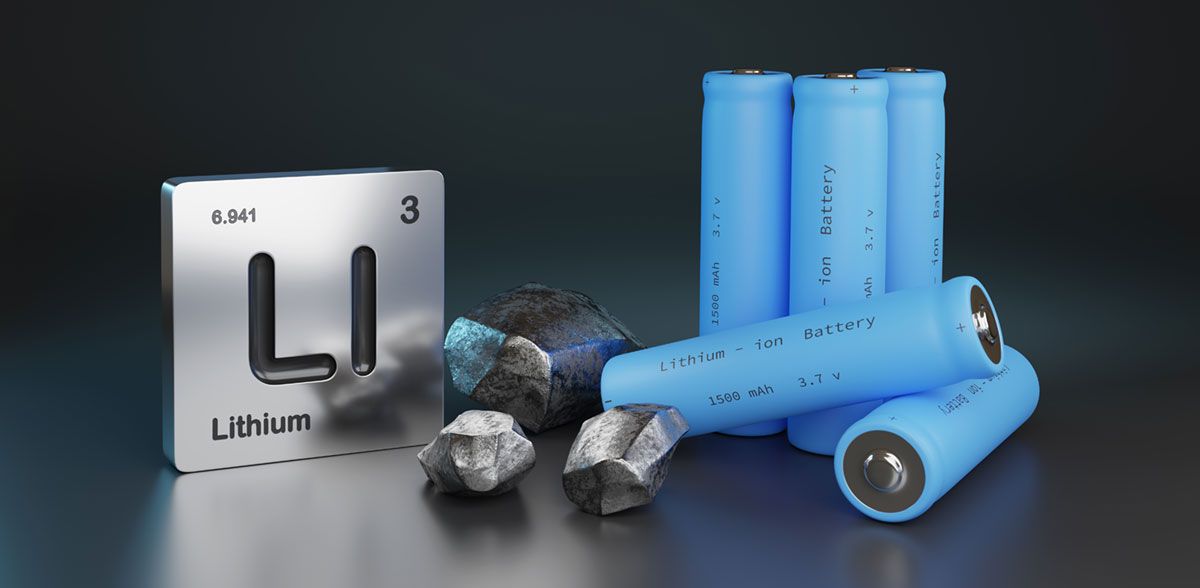
US Tariffs on Chinese Lithium-Ion Batteries Set to Reach 82.4%

No comments
Chinese Lithium-Ion Batteries

New Tariff Policy to Significantly Impact the EV Battery Market

US President Donald Trump’s recent tariff policies will result in a substantial increase in the import tariff on batteries from China, with lithium-ion batteries facing a sharp rise to 82.4%. This change, effective April 5, 2025, is set to impact the importation of both electric vehicle (EV) and non-EV lithium-ion batteries, a move likely to affect various industries reliant on these energy storage systems.

The Impact of the 82.4% Tariff on Lithium-Ion Batteries

The new tariff structure applies a 34% reciprocal tariff on Chinese imports, pushing the total tariff on lithium-ion EV batteries to 82.4%. Non-EV batteries will face a lower, but still substantial, tariff of 64.9% until January 2026, when it will rise to 82.4%. The new rates will affect not only the electric vehicle industry but also energy storage and consumer electronics, which rely heavily on lithium-ion battery technology.

This sharp tariff increase is a part of broader trade policies aimed at countering China’s trade practices, and it will likely influence the cost of batteries across multiple sectors, leading to higher prices for consumers and manufacturers alike.

Additional Tariffs and the Section 301 Plan

The 82.4% tariff on lithium-ion batteries includes several layers of duties already in place. These include the existing 3.4% duty imposed by U.S. Customs and Border Protection, as well as two separate 10% tariffs on Chinese products implemented since Trump’s administration began. Moreover, current Section 301 tariffs on lithium-ion EV batteries are set at 25%, while non-EV batteries are taxed at 7.5%. These tariffs are part of the broader US strategy to address concerns about intellectual property and trade imbalances.

The Biden administration's plan to raise the Section 301 tariff on non-EV batteries to 25% by January 2026 reflects the long-term trade policy direction for China-US relations.

Global Lithium-Ion Battery Shipments Surge in 2024, Driven by EV and Energy Storage Demand

No comments
Lithium-Ion Battery

Global shipments of lithium-ion batteries experienced a significant surge in 2024, fueled by robust growth in both the electric vehicle (EV) and energy storage sectors, according to data from Chinese research institution EV Tank.  This surge is projected to continue its upward trajectory through 2030, marking a promising period for the lithium and battery metals markets.

EV Battery Market Driven by China, Despite Global Economic Headwinds

In 2024, global EV power battery shipments reached an impressive 1,051GWh, representing a 22% year-on-year increase.  This growth was primarily propelled by the continued strength of China's EV market.  Government incentives, such as old vehicle trade-in subsidies, provided a significant boost, offsetting a slowdown observed in European and US markets due to weakened economic conditions and rising inflation.  This highlights the critical role of government policy in supporting the EV sector.

Energy Storage Battery Shipments See Explosive Growth

The energy storage battery segment also witnessed remarkable expansion, with global shipments soaring by 65% to 370GWh.  This surge can be attributed to several factors, including China's government-led initiatives promoting energy storage systems for wind and solar power generation, declining manufacturing costs, and strong demand in the US, partly driven by the investment tax credit.  Furthermore, growing GWh-level orders from emerging markets like the UK, Saudi Arabia, and Australia contributed to the overall growth.

China Dominates Lithium-Ion Battery Production

Overall, global lithium-ion battery shipments increased by 29% year-on-year to 1,545GWh in 2024.  China played a dominant role, accounting for 79% of the total, with shipments reaching 1,215GWh, a substantial 37% increase.  The sustained demand growth within China, coupled with the country's substantial investments in overseas production capacity, has solidified its position as a leading force in the global lithium-ion battery market.

Sodium-Ion Battery Adoption Slower Than Expected

While lithium-ion batteries continue to dominate, the adoption of sodium-ion batteries has been slower than initially anticipated.  EV Tank estimates China's sodium-ion battery shipments to have more than doubled to 2GWh in 2024 from 0.7GWh in 2023. However, this figure falls short of earlier projections of 3GWh per year. The primary reason for this slower uptake is the higher manufacturing costs associated with sodium-ion batteries compared to ternary and lithium iron phosphate (LFP) lithium-ion batteries, as well as lead-acid batteries.  Currently, the average manufacturing cost for lithium-ion batteries stands at 0.50 yuan/Wh as of June 2024, significantly lower than the 0.60 yuan/Wh for sodium-ion batteries, according to EV Tank.  This cost differential presents a significant challenge for the widespread adoption of sodium-ion technology.

Future Outlook: Continued Growth Projected

EV Tank forecasts continued growth in global lithium-ion battery shipments, projecting a rise to 1,899GWh in 2025 and an even more significant jump to 5,127GWh by 2030.  This optimistic outlook underscores the increasing demand for batteries across various applications, driven by the ongoing transition to electric mobility and the growing importance of energy storage solutions. The declining lithium carbonate feedstock prices, caused by supply expansions, have helped reduce manufacturing costs for lithium-ion batteries, further supporting market growth.

Gotion Foresees Lithium-Iron-Phosphate Batteries Dominating Global EV Market

No comments

In a significant shift for the electric vehicle (EV) industry, Gotion, a leading Chinese battery manufacturer, predicts that lithium-iron-phosphate (LFP) and lithium-manganese-iron-phosphate (LMFP) battery chemistries will dominate the global EV battery market within the next two to five years. Speaking at the ASEAN Battery Technology Conference in Singapore on August 21, Gotion's Asia-Pacific president, Cheng Qian, projected that these battery types could account for nearly 70 percent of the global market share, with the remainder being held by nickel-cobalt-manganese (NCM) batteries.

Qian emphasized that LFP battery technology is poised to take over the entire energy storage system sector, surpassing even the International Energy Agency's (IEA) forecast of 80 percent dominance. He attributed this trend to advancements in LFP battery range and the increasing demand for faster charging capabilities among EV consumers. NCM batteries, he noted, would be relegated to use in high-performance and ultra-long-range vehicles.

The transition has already begun to impact the nickel market and is gaining momentum among South Korean battery manufacturers. These companies are anticipating strong demand for more affordable EVs, driven by the cost-effectiveness of LFP batteries. Samsung SDI and SK On, for instance, are preparing to launch mass production of LFP batteries by 2026.

Adding to this momentum, LG Energy Solution (LGES) recently secured a contract to supply 39GWh of LFP batteries to Renault's EV division, Ampere, from its largest battery plant in Europe for the period 2025-2030. LGES is also planning to shift to LFP batteries for a U.S. energy storage project after initially supplying NCM batteries.


Expansion into Two-Wheeler Market

Gotion also predicts a significant shift toward LFP and LMFP batteries in the global two-wheeler EV market, which has been predominantly powered by NCM batteries. Cost reductions will be crucial for major two-wheeler markets in the Asia-Pacific region, including India, Indonesia, and Thailand, Qian noted.

India, which experienced a 30 percent surge in two-wheeler EV sales during its fiscal year 2023-24, reaching a record high of 944,126 units, is poised for further growth. Indonesia is similarly ambitious, aiming to deploy 2 million electric motorcycles by 2025, escalating to 13 million by 2030. The nation has introduced a $458 million subsidy program to incentivize electric motorcycle adoption.

The Philippines has also outlined its EV roadmap, emphasizing the lower upfront costs of electric tricycles and motorcycles as key drivers for EV adoption. The country aims to achieve a 50 percent share of electric motorcycles and tricycles by 2030, increasing to 60 percent by 2040.

China’s Gotion Predicts LFP Batteries Will Dominate Global EV Market

No comments
Gotion High-Tech

Chinese battery producer Gotion High-Tech forecasts that lithium-iron-phosphate (LFP) and lithium-manganese-iron-phosphate (LMFP) batteries will claim up to 70% of the global electric vehicle (EV) battery market in the next 2-5 years. Speaking at the ASEAN Battery Technology Conference in Singapore, Gotion’s Asia-Pacific president Cheng Qian highlighted the rising prominence of LFP chemistry, particularly in affordable EVs and energy storage systems.

The Rise of LFP Batteries

Qian projected that LFP batteries will dominate not only the global EV market but also the entire energy storage system (ESS) sector, exceeding even the IEA’s 80% forecast. He attributed this growth to advancements in LFP battery range and faster charging times, catering to the needs of everyday EV consumers. In contrast, nickel-cobalt-manganese (NCM) batteries are expected to remain essential only for high-performance and long-range EVs.

This shift has placed pressure on the nickel market, as manufacturers pivot to cost-efficient LFP solutions. South Korean giants such as Samsung SDI and SK On are preparing to mass-produce LFP batteries by 2026. Meanwhile, LG Energy Solution (LGES) has committed to supplying 39GWh of LFP batteries to Renault's EV division Ampere, underscoring Europe’s growing focus on LFP technology.

Two-Wheeler EV Transition in Asia-Pacific

The two-wheeler EV market, particularly in Asia-Pacific, is also expected to transition from NCM to LFP batteries. India, Indonesia, and the Philippines are leading this shift due to cost concerns and government initiatives.

  • India: Achieved record EV sales in FY2023-24, with two-wheeler EV sales rising 30% year-on-year to 944,126 units.
  • Indonesia: Aims for 2 million electric motorcycles by 2025, supported by a $458 million subsidy program launched in March 2023.
  • Philippines: Targets a 50% electric motorcycle and tricycle share by 2030, with cost efficiency driving adoption.

A Global Shift in Battery Technology

With its affordability and sustainability, LFP battery technology is reshaping the global EV landscape, especially in cost-sensitive markets. Companies like Gotion, LGES, and Samsung SDI are at the forefront of this transformation, signaling a shift towards accessible and efficient energy solutions.

GM and LG Energy Solution to Commercialize LMR Batteries by 2028

No comments
GM and LG Energy Solution to Commercialize LMR Batteries by 2028
LMR Batteries

LMR Technology Aims to Cut Costs and Extend EV Range

GM and LG Energy Solution (LGES) plan to commercialize lithium manganese-rich (LMR) batteries by 2028, targeting next-generation electric trucks and SUVs. The joint venture, Ultium Cells, will begin LMR cell pre-production in late 2027 and transition to full commercial output in the U.S. in 2028.

The Focus Keyphrase "LMR batteries" is at the center of this strategic shift. These batteries replace expensive cobalt with lower-cost manganese, enabling higher energy density and reduced overall battery cost. GM intends to integrate LMR technology into its high-nickel Ultium platform, aiming for EVs that can exceed 400 miles of driving range.

GM Secures Supply Chain for LMR Battery Rollout

To support LMR battery deployment, GM is building a robust North American supply chain. The automaker has secured an offtake agreement with Lithium Americas for 100% of Phase 1 battery-grade lithium carbonate output from Thacker Pass, a major U.S. lithium project expected to complete construction by late 2027.

In parallel, GM’s focus on domestic sourcing extends to key materials like graphite and manganese, which are critical for LMR cell chemistry. By localizing supply chains, GM aims to enhance production resilience and meet U.S. clean energy standards.

Strategic Shift Reflects EV Industry’s Drive for Cost Efficiency

LMR batteries mark a pivotal innovation in reducing reliance on costly cobalt, often linked to geopolitical and ethical concerns. As automakers face growing pressure to lower EV costs while expanding range, LMR technology offers a scalable and sustainable alternative.

Furthermore, this move supports the Biden administration’s objectives under the Inflation Reduction Act, which incentivizes domestic sourcing of battery materials and EV production.

The Metalnomist Commentary

The commercialization of LMR batteries represents a breakthrough for GM and LGES in balancing cost, range, and supply security. By shifting to manganese-rich chemistries and fortifying local supply chains, GM is positioning itself as a leader in next-generation EV battery innovation — a move that could reshape material demand across the battery metals landscape.

Toyota Expands EV Operations in China and the US with New Facilities

No comments
Toyota

Toyota, a leading Japanese manufacturer, is setting up a new electric vehicle (EV)

production facility in Shanghai, China. The company aims to strengthen its presence in the growing Chinese EV market by delivering electric vehicles (EVs) and EV batteries to local customers. At the same time, it will begin shipping EV batteries from its newly established North Carolina facility in the United States. These moves are part of Toyota’s broader strategy to boost global EV production, aligning with its goal to sell 1.5 million EVs by 2026.

New Shanghai Facility: Focusing on EVs and Batteries

The new plant in Shanghai will focus on the production of EV batteries as well as the new Lexus brand EVs. Toyota plans to manufacture 100,000 EV units after 2027, though it has not disclosed whether this production will include batteries for models other than the Lexus EVs. Interestingly, Toyota has decided to set up the new Shanghai firm as a wholly-owned subsidiary, a rare move for foreign automobile manufacturers, who typically partner with local companies in China. This suggests that Toyota is committed to delivering new energy vehicles (NEVs) to Chinese customers rapidly, with a strong focus on the domestic market.

North Carolina Facility: EV Battery Production Ramp-Up

Toyota is also investing heavily in its North Carolina facility, which will start delivering EV batteries from April. This facility, with an investment of approximately $14 billion, will feature 10 production lines for batteries catering to EVs and plug-in hybrid electric vehicles (PHEVs), alongside four production lines dedicated to hybrid vehicle batteries. While Toyota has not disclosed the specific production volume for its North Carolina plant, this significant investment underscores its commitment to becoming a major player in the global EV market.

Toyota's EV Sales Strategy and Challenges

Despite these expansions, Toyota's global EV sales remain sluggish, with the company revising its sales forecast downward for the 2024-25 fiscal year. The revised outlook predicts sales of 142,000 EVs and 154,000 PHEVs, which represents a decrease of 11% and 4.9%, respectively, compared to the previous forecast. Toyota’s decision to adjust its expectations for EV and PHEV sales marks two consecutive downward revisions, highlighting the challenges the company faces in meeting its EV targets. Nonetheless, the investments in China and the US represent critical steps in Toyota's ongoing efforts to accelerate its EV production and meet its 1.5 million EV sales goal by 2026.

Ford to invest $5bn in electric trucks and LFP batteries

No comments
Ford to invest $5bn in electric trucks and LFP batteries
Ford electric trucks

Ford to invest $5bn in electric trucks and LFP batteries, advancing US EV manufacturing. The plan funds Louisville Assembly and BlueOval Battery Park Michigan. Ford to invest $5bn in electric trucks and LFP batteries to launch a midsize pickup and domestic LFP cells.

Louisville expansion and 2027 electric pickup

Ford will build a four-door midsize electric pickup from 2027. The model will target US and export markets. Kentucky’s incentive offer supports the Louisville program. Ford will expand the plant by 52,000ft² with nearly $2bn. This capacity backs body, final assembly, and launch readiness. As a result, Ford secures near-term EV production certainty.

US-made prismatic LFP batteries and supply chain

Ford will produce prismatic LFP batteries in Michigan. The company says it will be the first US automaker to do so. LFP packs cut cost and improve durability. They also save space and weight versus NMC chemistries. Integration into the floor lowers the center of gravity. Therefore, vehicles gain handling, efficiency, and cabin quietness. Jiangsu Lopal will supply LFP cathode materials under a five-year deal.

Why this matters for EV economics

Ford to invest $5bn in electric trucks and LFP batteries positions the firm for price discipline. LFP lowers bill of materials and warranty risk. Meanwhile, prismatic form factors streamline pack engineering. BlueOval investment, totaling $3bn previously, accelerates US cell scaling. The combined footprint strengthens domestic content compliance.

The Metalnomist Commentary

Ford’s push marries LFP cost advantages with a high-volume truck segment. If prismatic yields scale smoothly, Ford can defend pricing and margins. Watch cathode localization and lithium sourcing as the next competitiveness lever.

US New Tariffs Could Disrupt China's Non-Exempt Metals Exports

No comments
China Tariffs

New tariffs on lithium, rare earth magnets, and more could affect China's metal exports to the US.


The United States has announced significant new tariffs on Chinese imports, with a notable focus on metals. While many non-ferrous metals and ferro-alloys have been exempted, some crucial exports from China, like lithium, rare earth magnets, and lithium-ion batteries, will face substantial increases in tariff rates. These changes are set to have a lasting impact on the trade between the US and China, especially in the energy storage and electric vehicle (EV) sectors.

High Tariffs on Lithium-Ion Batteries and Energy Storage

As of April 9, the US will implement an 82.4% tariff on electric vehicle (EV) power batteries and a 57.4% tariff on non-EV lithium-ion batteries from China. This substantial hike in tariffs will make Chinese-made batteries far more expensive and may eliminate the possibility of Chinese EV power batteries entering the US market. US consumers will likely absorb these costs, potentially leading to inflation in the US battery industry, especially in the energy storage sector.

China’s lithium-ion battery exports to the US had already been on the rise, with a 59% increase in exports during the first two months of the year. However, these new tariffs are expected to curb the growth of China's battery exports to the US and negatively affect lithium feedstock prices, which are currently at a four-year low.

Impact on Rare Earth Magnets

Rare earth magnets are another key area of concern, as these products were not exempted from the new tariffs. Despite some uncertainty about the exact tariff implementation, producers in China are anxious about the potential 54% tariff on rare earth magnets. China remains the dominant supplier of rare earth magnets globally, and while the US does have some alternatives, they are mostly focused on military applications with significantly higher prices. This makes it unlikely that the US can fully escape its dependence on China, especially for civilian applications.

China’s exports of rare earth magnets to the US in 2022 accounted for 12% of its total exports, and while tariffs could reduce this figure, China’s competitive pricing in the civil sector ensures its continued dominance in the global market.

Copper, Aluminium, and Hafnium: Other Affected Metals

While copper and aluminium are exempt from this latest round of tariffs, the copper industry remains on edge. US authorities are investigating the potential security implications of copper imports, and there’s speculation that a tariff may be imposed in the future. As for aluminium, Chinese exports are already subject to a steep 70% tariff, which is expected to discourage further aluminium exports to the US, pushing Chinese suppliers to seek alternative markets.

Hafnium, a critical metal used in aerospace applications, will also face a significant tariff hike, moving from 34% to 79%. This change could prompt US buyers to source hafnium from other regions, like Rotterdam, where the tariff is considerably lower.

Conclusion

The new US tariffs on Chinese metals exports are set to reshape the global metals market, particularly for lithium-ion batteries, rare earth magnets, and hafnium. While some sectors, like copper and aluminium, may have avoided immediate tariff hikes, long-term implications for the industry remain uncertain. The tariff increase on key metal exports from China to the US is expected to alter supply chains and increase costs for US consumers, especially in the EV and energy storage markets.

Samsung SDI BESS Supply Deal Strengthens US Energy Storage Battery Chain

No comments
Samsung SDI BESS Supply Deal Strengthens US Energy Storage Battery Chain
Samsung SDI BESS

Samsung SDI BESS supply deal activity is accelerating in the US as demand for grid-scale battery storage continues to rise. The South Korean battery manufacturer has secured a 1.5 trillion won, or about $1 billion, contract to supply BESS batteries to a US energy company over four years.

The Samsung SDI BESS supply deal will run from 2026 to 2029. The batteries will be supplied in phases, supporting the rapid buildout of US battery energy storage systems as utilities, renewable developers, and infrastructure operators seek more flexible power capacity.

The agreement also strengthens Samsung SDI’s US manufacturing strategy. The batteries will be produced at StarPlus Energy’s plant in Indiana, a joint venture between Samsung SDI and Stellantis.

Indiana Production Links Battery Storage to Domestic Manufacturing

The StarPlus Energy facility gives Samsung SDI a local production base for the US energy storage market. This matters because US customers increasingly value domestic or regionally anchored battery supply chains, especially for energy infrastructure projects.

Initial deliveries will use nickel-cobalt-aluminum batteries. This chemistry gives Samsung SDI a route to serve early BESS demand while preparing for broader chemistry diversification.

Later expansion will include lithium iron phosphate batteries. LFP batteries are becoming more important in stationary storage because cost, safety, cycle life, and scale matter more than maximum energy density in many grid applications.

LFP Expansion Signals a Wider Shift in US BESS Demand

The Samsung SDI BESS supply deal follows another major LFP agreement signed last December with an unnamed US energy infrastructure company. That earlier contract was valued at two trillion won, or about $1.33 billion.

Together, the deals show that Samsung SDI is moving more aggressively into the US battery energy storage systems market. The company is no longer positioned only around electric vehicle batteries, but also around grid storage and power infrastructure.

This shift has important materials implications. BESS growth will increase demand for lithium, iron phosphate materials, nickel, cobalt, aluminum, copper, graphite, separators, electrolytes, and power electronics. It will also intensify competition among Korean, Chinese, Japanese, and US-linked battery supply chains.

The Metalnomist Commentary

Samsung SDI’s latest contract confirms that US battery demand is shifting from EV-only growth toward a broader energy infrastructure cycle. For battery makers, chemistry flexibility and local production are becoming as important as scale itself.

Lyten to Invest Over $1 Billion in US Gigafactory for Lithium-Sulfur Batteries

No comments
Lyten

California-based battery technology company Lyten has announced plans to build a $1 billion gigafactory in the United States, dedicated to the large-scale production of lithium-sulfur (Li-S) batteries designed for electric vehicles (EVs). This significant investment signals a bold step toward advancing battery innovation and boosting domestic production capabilities within the United States.

Facility Details and Operational Timeline

The gigafactory, set to begin construction outside Reno, Nevada in early 2025, will span 1.25 million square feet. Lyten aims to manufacture cathode active materials (CAM) and lithium metal anodes on-site and assemble Li-S battery cells in both cylindrical and pouch formats. Phase one operations are slated for 2027, with full-scale production expected to reach a capacity of up to 10 gigawatt hours (GWh) per year. However, Lyten has not specified when this maximum output might be achieved.

Initially, Lyten will hire approximately 200 employees, with plans to expand its workforce to 1,000 as the gigafactory ramps up production.

Recent Developments and Competitive Edge

Earlier this year, Lyten began shipping its first Li-S batteries to Stellantis, a key investor, and other EV manufacturers from its pilot plant in San Jose, California. In addition, the company delivered its initial 6.5Ah pouch cells to a major consumer electronics firm, with plans to ship cylindrical cells throughout this year’s second and third quarters.

Lyten’s Li-S batteries are touted for their high energy density, surpassing traditional nickel-manganese-cobalt (NMC) batteries while remaining cost-competitive with lithium-iron-phosphorous (LFP) batteries. This makes them an attractive option for automotive and consumer electronics sectors seeking efficient and sustainable energy solutions.

Potential Impact on the US Battery Market

With this substantial investment, Lyten positions itself as a key player in the rapidly evolving battery market. The gigafactory not only bolsters the U.S. battery supply chain but also aims to reduce dependence on foreign battery components. By producing high-performance Li-S batteries domestically, Lyten supports the transition toward more sustainable and efficient electric vehicles.

LG Energy Solution Signs Six-Year Battery Supply Deal with Chery

No comments
LG Energy Solution Signs Six-Year Battery Supply Deal with Chery
China Chery

LGES to Deliver 8GWh of Cylindrical Batteries

LG Energy Solution (LGES) has signed a six-year deal with China’s Chery Automobile to supply 8GWh of batteries. Deliveries are scheduled to begin in early 2026, powering around 120,000 electric vehicles. The agreement focuses on LGES’ 46-series nickel-cobalt-manganese cylindrical batteries, which will be installed in Chery’s flagship EV models.

The partnership also leaves room for expansion. LGES indicated that further projects could extend to additional Chery models, reinforcing the growing collaboration between one of South Korea’s top battery producers and China’s state-owned automaker.

Strategic Partnerships in a Competitive Battery Market

The LGES-Chery deal highlights the company’s efforts to secure long-term partnerships amid shifting battery demand. In November 2024, LGES struck a five-year, 67GWh agreement with US EV start-up Rivian, with production centered in Arizona. These contracts demonstrate LGES’ dual strategy of supporting premium EV manufacturers while also pursuing cost-competitive alternatives.

However, the rise of lithium-iron-phosphate (LFP) batteries has reshaped the competitive landscape. LGES announced it will start mass production of LFP batteries for EVs in the second half of 2025. In parallel, it began mass-producing LFP batteries for energy storage systems (ESS) in the US this June, while partially converting its Wroclaw plant in Europe for ESS applications.

The Metalnomist Commentary

LGES’ deal with Chery underscores the importance of strategic alliances in an increasingly competitive EV battery market. By balancing high-performance nickel-based batteries with cost-efficient LFP solutions, LGES is positioning itself to meet diverse global demand. The company’s ability to maintain utilization rates will hinge on how effectively it scales production and navigates price pressures.

AE Elemental Unveils New EV Battery Recycling Facility in Poland

No comments
AE Elemental

AE Elemental, a joint venture between US-based Ascend Elements and Poland’s Elemental Strategic Metals, has opened its first commercial-scale EV battery recycling facility in Zawiercie, Poland, on 19 September. The facility marks a significant step in advancing sustainability within the electric vehicle industry by disassembling, discharging, and shredding used EV batteries.

Expansion Plans in Europe

The facility, which is capable of processing 12,000 metric tonnes of used lithium-ion batteries annually, or roughly 28,000 batteries, produces black mass—a key material for manufacturing new batteries. AE Elemental plans to expand its operations by adding lithium extraction capabilities in 2024, with full-scale operations expected by 2026. This development will help European companies meet new EU regulations, which require a minimum amount of recycled content in batteries by 2030.

Additionally, AE Elemental has plans to construct another, larger facility in central Germany, with the capability to recycle 25,000 tonnes of EV batteries annually, or around 58,000 batteries. This expansion will further solidify AE Elemental’s role in Europe’s push towards a circular economy and sustainable energy solutions.

Rivian Second-Life Battery Storage Project Links EV Packs to Grid Reliability

No comments
Rivian Second-Life Battery Storage Project Links EV Packs to Grid Reliability
Rivian, Redwood

Rivian second-life battery storage is moving into commercial use after the US electric-vehicle maker agreed to deploy repurposed battery packs through Redwood Materials at its Normal manufacturing plant in Illinois. The project will use more than 100 used Rivian battery packs to provide 10 MWh of dispatchable battery energy storage.

The Rivian second-life battery storage project gives retired EV packs a second use before recycling. Redwood Materials will integrate the packs into a Redwood Energy system for on-site use at Rivian’s manufacturing facility.

Rivian second-life battery storage also reflects a wider shift in the battery value chain. Automakers and recyclers are looking for ways to extract more value from battery packs before recovering lithium, nickel, cobalt, copper, aluminium and other materials.

Redwood Turns Used EV Packs Into Stationary Storage

Redwood will receive EV battery packs from Rivian and convert them into a battery energy storage system for the Normal plant. The system will help reduce energy costs and support local grid reliability.

Second-life batteries are useful because EV packs can still retain meaningful capacity after vehicle use. They may no longer meet automotive performance requirements, but they can still serve stationary storage applications.

This creates a bridge between mobility and grid infrastructure. A battery pack can first support vehicle electrification, then provide stationary power, and later enter recycling for critical material recovery.

Redwood receives more than 20 GWh/yr of batteries, giving it a large feedstock base for both reuse and recycling. The company said it can deploy BESS projects in as little as six months, which matters as power demand rises quickly.

Data Center Power Demand Raises Storage Value

Rivian has attracted investors such as Google, which are seeking faster access to power solutions for artificial intelligence data center growth. This connection shows why second-life batteries are becoming more strategically relevant.

AI data centers need reliable, flexible and rapidly deployable power. Battery energy storage systems can help manage peak demand, improve resilience and reduce pressure on grids facing new large-load connections.

Repurposed EV batteries could become a lower-cost option where speed matters more than maximum energy density. They may also reduce waste and delay the need for immediate material recycling.

For the metals supply chain, this creates a more circular model. Battery materials stay in productive use longer, while recyclers build stronger long-term access to end-of-life packs and future recovered metals.

The Metalnomist Commentary

Rivian and Redwood are showing how EV batteries can become grid assets before they become recycling feedstock. The strategic value lies in extending battery life, lowering storage costs and securing future material recovery in one integrated loop.

Lopal and EVE Energy Ink $694mn LFP Cathode Supply Deal

No comments
Lopal and EVE Energy Ink $694mn LFP Cathode Supply Deal
Lopal

Strategic Partnership for Malaysian Battery Production

Chinese lithium iron phosphate (LFP) cathode producer Jiangsu Lopal has signed a landmark supply agreement with EVE Energy’s Malaysian subsidiary, underscoring the growing importance of Southeast Asia in the global battery supply chain. The five-year deal covers the delivery of 152,000t of LFP cathode material between 2026 and 2030, with a total estimated value exceeding 5bn yuan ($694mn). The agreement includes flexibility clauses allowing EVE Energy to adjust order volumes within predefined limits, while pricing will be determined quarterly to reflect market conditions.

EVE Energy began operating its first overseas battery manufacturing facility in Malaysia in February 2025. The plant, designed with an annual output capacity of 680mn cylindrical batteries, primarily serves the electric tool and electric two-wheeler markets. By sourcing LFP cathode materials locally within Asia, EVE Energy aims to strengthen supply chain resilience and reduce exposure to cross-border trade risks.

Global LFP Supply Chain Diversification

Lopal has emerged as one of China’s most prominent LFP cathode producers since acquiring the business from Shenzhen BTR New Energy Material. The company operates large-scale production complexes across Jiangsu, Shandong, Tianjin, Sichuan, and Hubei, giving it significant domestic manufacturing coverage and the ability to meet large-volume contracts. In addition to EVE Energy, Lopal has also secured long-term supply deals with Cornex and Ford Motor Company this year, further expanding its customer portfolio.

This deal comes amid escalating US–China trade tensions, particularly in the energy storage sector. The United States has imposed a 40.9pc tariff on Chinese-produced LFP batteries for energy storage systems (ESS), driving manufacturers to diversify production locations. China still produces over 90pc of the world’s LFP batteries, but other countries are rapidly entering the market. LG Energy Solution (LGES) in South Korea has already started mass production of LFP batteries in the US, signaling a shift in global production strategies.

With geopolitical pressures, fluctuating raw material prices, and the ongoing global push for electrification, long-term supply contracts like this one between Lopal and EVE Energy are becoming increasingly critical for securing stable production pipelines and competitive advantage.


The Metalnomist Commentary

This agreement reflects a broader industry shift toward decentralizing battery material production across multiple regions to reduce geopolitical and logistical risks. As global demand for LFP batteries accelerates, Southeast Asia is poised to become a crucial manufacturing hub, offering both cost efficiency and strategic proximity to major markets.

Toyota Secures $4.5 Million DOE Funding for EV Battery Recycling Technology

No comments
Argonne National Laboratory

Toyota, a global leader in automotive innovation, has received $4.5 million from the US Department of Energy (DOE) to advance cutting-edge electric vehicle (EV) battery recycling technology. This initiative aims to address critical bottlenecks in battery recycling, including automating pack disassembly, improving battery identification and sorting with data-driven methods, and mitigating challenges posed by cell degradation.

The Toyota Research Institute of North America will spearhead this project by developing autonomous robotic systems to disassemble EV batteries, an essential step toward enhancing sustainability and efficiency in the battery supply chain.

Efforts to Build a Sustainable Battery Ecosystem

As the demand for EVs grows, so does the volume of spent batteries and manufacturing scrap. Toyota’s initiative represents an effort to make the recycling process more sustainable, efficient, and scalable.

This latest project builds on Toyota’s growing portfolio of collaborations and research in battery recycling:
  • April 2024: Partnered with Argonne National Laboratory to explore direct recycling processes for cathode chemistries containing critical minerals like nickel, manganese, and cobalt.
  • Late 2023: Partnered with Cirba Solutions to enhance the collection, storage, testing, and recycling of spent batteries.
  • 2022: Collaborated with Redwood Materials to focus on recycling hybrid EV batteries through improved collection and testing methods.
By working with leading recycling companies and research organizations, Toyota aims to ensure that its batteries are part of a closed-loop supply chain, reducing reliance on virgin materials and enhancing the sustainability of its EV production process.

The Path Ahead for EV Sustainability

This DOE-funded project underscores the increasing importance of a sustainable battery supply chain as EV adoption rises globally. By tackling technical challenges such as cell degradation and automation, Toyota is paving the way for scalable recycling solutions critical to the EV industry’s future.

Battery Energy Storage Systems Accelerate Data Center Deployment

No comments
Battery Energy Storage Systems Accelerate Data Center Deployment
Battery Energy Storage Systems

Battery energy storage systems are becoming a practical tool for accelerating data center deployment as hyperscalers search for faster access to power. Industry executives said storage, combined with solar and wind, can help large technology companies bring major facilities online more quickly.

The discussion reflects a growing reality in the power market. Data center demand is rising alongside broader electrification, placing pressure on grids that were not designed for such rapid large-load growth.

Battery energy storage systems help address this problem by providing flexibility where grid connections, peak demand, or local capacity constraints delay projects. For hyperscalers, speed to power is now as important as land, chips, cooling, and fiber connectivity.

Storage Becomes a Bridge Between Hyperscalers and Grid Constraints

Battery energy storage systems can help data centers manage peak demand, reduce grid stress, and support faster deployment when full baseload supply is not immediately available. This makes storage a bridge between large electricity users and constrained power systems.

Invenergy said a mix of solar, wind, and storage can give hyperscalers strong speed-to-power advantages while remaining affordable. That combination is increasingly attractive because data centers need large volumes of electricity but also face public scrutiny over power prices.

The affordability issue is becoming more sensitive. US electricity prices rose by 6.3% in January, and rising demand from data centers is one of the factors adding pressure. If households feel they are paying more while large-load users secure cheaper power, the political risk around data center growth will increase.

Flexible Power Models Could Reshape Battery Demand

Technology companies are responding with a wider power strategy. Instead of relying only on large central power plants, they are looking at solar, wind, on-site batteries, demand response, and distributed storage.

Google said that in locations where peaking capacity is the main issue, faster solutions may include ramping down for short periods, switching to on-site batteries, or paying other customers to install batteries in their homes. This approach turns batteries into grid flexibility assets, not only backup systems.

For the materials supply chain, this matters because data center growth could become a stronger demand driver for batteries, lithium, graphite, iron phosphate materials, copper, aluminium, transformers, power electronics, and grid equipment. As AI infrastructure scales, battery storage will increasingly sit at the intersection of digital infrastructure and energy security.

The Metalnomist Commentary

Battery energy storage systems are moving from optional backup equipment to strategic infrastructure for hyperscaler growth. The next bottleneck for AI data centers may not be computing hardware alone, but the ability to secure flexible, affordable, and politically acceptable power.

China's Jiangsu Lopal to Boost LFP Battery Supply to South Korea's LG Energy Solution

No comments
Jiangsu Lopal

In a significant development for the electric vehicle (EV) battery market, Jiangsu Lopal, a major Chinese producer of lithium iron phosphate (LFP) batteries, has announced plans to increase its LFP supply to South Korea's LG Energy Solution (LGES). This move is expected to solidify the partnership between the two and cater to the growing demand for cost-effective EV batteries.

Expansion of Supply Agreement

Lopal revised its existing supply agreement with LGES on December 24, aiming to deliver 260,000 tons of LFP material over the period from 2024 to 2028. This represents a substantial 60% increase from the previously agreed 160,000 tons. The expanded agreement underscores both companies' commitment to long-term collaboration amidst the burgeoning EV market.

The LFP material will be supplied by Lopal's subsidiaries, Changzhou Liyuan New Energy Technology (LBM) and LBM New Energy (AP). Notably, the latter sources its LFP from a production facility in Indonesia, highlighting the global scope of Lopal's operations.

Strategic Investments in Production Capacity

LBM has committed approximately $290 million to establish a production plant in Indonesia with a nameplate capacity of 120,000 tons per year. The project is planned in two phases: the first phase, already completed, has a capacity of 30,000 tons per year, and the second phase, scheduled to start production in 2025, will add 90,000 tons per year.

Global Shift Towards LFP Battery Adoption

The shift towards LFP batteries is gaining momentum globally, with major automakers such as Tesla, VW, General Motors, Stellantis, Hyundai, and Renault opting for LFP cells to reduce EV manufacturing costs. Previously favoring ternary batteries, these automakers are now recognizing the economic benefits of LFP technology. Furthermore, Chinese battery material firms are increasingly investing in overseas LFP production, not only to diversify supply but also to meet specific market entry conditions, as evidenced by Zhejiang Youshan New Material Technology's recent initiative in Indonesia.

BMW Partners with Redwood to Recycle Lithium-Ion Batteries

No comments
Redwood

BMW Group has entered into a partnership with US-based battery recycler Redwood Materials to recycle lithium-ion batteries from electric vehicles (EVs) in the automaker's portfolio. Under the deal, announced Monday, Redwood will gain access to over 700 BMW Group locations across the United States, including dealerships, distribution centers, and internal facilities, to source end-of-life batteries.

Expanding Battery Recycling Operations

Redwood highlighted its proximity to BMW's Spartanburg and Woodruff manufacturing plants in South Carolina, where one of its two campuses is located. Both companies are committed to establishing significant recycling operations in the area. BMW has aggressive plans to produce at least six electric vehicle models in the US by 2030, with a $1 billion investment to retrofit its Spartanburg plant to produce electric SUVs by 2026. Additionally, the nearby Woodruff facility will support Spartanburg by supplying batteries from its new $700 million battery assembly plant, expected to be operational by 2026.

This collaboration with BMW adds to Redwood's growing network of partnerships with automakers and battery manufacturers. In May, Redwood entered a deal with Ultium, a joint venture between General Motors and LG Chem, to recycle production waste from two facilities, which are expected to generate 10,000 metric tonnes of cathode and anode scrap annually.

China’s Hubei Wanrun Launches LFP Battery Production Plant in Shandong

No comments
Hubei Wanrun

Hubei Wanrun, a prominent Chinese new energy firm, has officially launched a major production plant for lithium iron phosphate (LFP) and its feedstock iron phosphate in Binzhou city, located in Shandong province. The plant is a significant move to strengthen China’s position as a leading global supplier of materials critical for the electric vehicle (EV) and energy storage industries.

The new facility has a total nameplate capacity of 240,000 tons per year for LFP and an additional 240,000 tons per year for iron phosphate, with a total investment of 6.5 billion yuan (approximately $913 million). The initial phase of the plant has already launched, including 120,000 tons per year of LFP production capacity and the full 240,000 tons per year for iron phosphate. The remaining 120,000 tons per year of LFP capacity is still pending and has yet to be launched.

The project is a joint venture between Wanrun New Energy, a major Chinese producer of LFP cathode materials, holding an 80% stake, and Hubei, a multi-sector Chinese company with a 10% stake. Shenzhen Shijia Enterprise, a well-known export/import firm, holds the remaining 10% stake in the project.

Wanrun New Energy's Role in the Growing LFP Market

Wanrun New Energy has solidified its position as a key player in the global LFP market. In the first half of the year, the company shipped 78,000 tons of LFP, marking a 24% increase from the previous year. Additionally, Wanrun has plans to expand its global footprint with a new LFP production plant in South Carolina, USA, signaling the growing demand for LFP as a key material in the battery manufacturing sector.

In China, LFP batteries continue to dominate the market, making up a 75.6% share of the combined production for both power and energy storage batteries. This dominance is reflected in recent data from the China Automotive Battery Innovation Alliance, showing that LFP batteries accounted for 75.8% of newly installed volumes for power batteries during the period from January to September, totalling 734.4 GWh in production and 246.6 GWh in newly installed volumes.

LFP’s increasing share of the battery market, particularly for electric vehicles and energy storage systems, highlights the growing importance of materials like iron phosphate and lithium iron phosphate in the global energy transition. As demand for cleaner energy and EVs accelerates, the supply of high-quality LFP will become even more critical.