Showing posts sorted by relevance for query BMW. Sort by date Show all posts

BMW low-carbon EVs in Hungary anchor Neue Klasse manufacturing shift

No comments
BMW low-carbon EVs in Hungary anchor Neue Klasse manufacturing shift
BMW

BMW low-carbon EVs in Hungary will enter series production next month at the new Debrecen plant. The BMW low-carbon EVs in Hungary will start with the iX3 SUV, targeting 100,000 units a year on the Neue Klasse platform. As a result, BMW low-carbon EVs in Hungary will become the company’s flagship example of digital, highly automated and low-emissions manufacturing in Europe.

Neue Klasse platform and iFACTORY define BMW’s Hungarian strategy

BMW’s Neue Klasse platform underpins the group’s next generation of electric vehicles. The architecture will support up to 40 models by 2027. Therefore, launching BMW low-carbon EVs in Hungary on this platform gives Debrecen immediate strategic importance.

The Debrecen plant is BMW’s first site built fully around its iFACTORY concept. The model emphasises digital twins, virtual planning and on-site battery assembly. Meanwhile, the factory will run on renewable electricity, even for energy intensive steps such as painting. Hungary has pledged major grid upgrades around Debrecen, aiming to deliver the clean, stable power BMW needs.

However, BMW still expects each iX3 to generate 34kg of CO₂ equivalent at the site. This figure reflects scope 1 and 2 emissions and excludes supply chain emissions. It also remains above zero, raising questions about backup power and grid contingency. Ultimately, the true climate impact of BMW low-carbon EVs in Hungary will depend on Hungary’s long term power mix.

Automation, logistics and EV competition shape BMW’s next phase

Automation sits at the core of BMW’s Debrecen strategy. Nearly 1,000 robots will work alongside about 2,000 employees in the body shop. Autonomous trains and smart transport robots will manage internal logistics. Therefore, BMW aims to cut complexity while keeping labour focused on high value tasks.

The plant uses a “finger structure” layout adapted from BMW’s Leipzig site. This design allows roughly 80pc of parts to arrive directly at the correct assembly point. As a result, BMW expects fewer material handling steps and shorter takt times. However, the company has not yet detailed how many additional models Debrecen can support beyond the iX3.

The broader market context remains highly competitive. BMW’s battery EV sales rose 16pc year on year in the first half. Mercedes Benz recorded a 24pc drop, while Volkswagen Group delivered a 38pc global increase. Consequently, BMW low-carbon EVs in Hungary must combine cost efficiency, quality and sustainability to defend market share.

The Metalnomist Commentary

Debrecen shows how OEMs now bundle platform shifts, factory digitalisation and low-carbon branding into a single investment story. If Hungary can deliver truly clean, reliable power, BMW’s low-carbon EVs in Hungary could set a new regional benchmark for integrated battery and vehicle production. Market participants should watch realised energy use, uptime and model mix as early indicators of whether iFACTORY economics deliver as promised.

BMW to Invest R1.1 Billion in Brazil, Aiming to Launch New Models and Digital Innovations

No comments


BMW has announced a substantial investment of R1.1 billion (approximately $200 million) to enhance its manufacturing and technology capabilities in Brazil. This funding, set to roll out from 2025 to 2028, reflects BMW’s commitment to strengthening its foothold in the South American automotive market by producing new vehicle models and advancing digital technologies.

As part of the investment, BMW plans to manufacture a new, unnamed model at its Araquari plant in southern Brazil and will also begin production of its BMW X5 PHEV (plug-in hybrid electric vehicle) at the facility. This expansion underscores BMW’s broader strategic goal of supporting sustainable and digital transitions within its production processes.

A Growing Trend of Investment in Brazil's Auto Sector

BMW’s move follows significant investment announcements from other major automakers in Brazil this year, including General Motors, Volkswagen, and Hyundai. These investments signal a renewed focus on the South American market as automakers look to tap into rising demand while preparing for a shift toward electric and hybrid vehicle offerings.

With the automotive industry increasingly gravitating towards greener technology and digital innovation, BMW’s investment in Brazil aligns with its global ambitions to lead in both areas. This strategic injection is expected to boost Brazil’s automotive sector, creating new jobs and positioning the country as a central player in BMW’s production and innovation network.

BMW and SK tes to Expand Battery Recycling in North America

No comments
SK, Battery Recycling

Strategic Partnership Targets Key Battery Materials

BMW Group and SK tes will expand their battery recycling partnership to North America in 2026. This move follows their successful European collaboration launched in November 2024. The expansion will cover the US, Canada, and Mexico. The partnership focuses on recovering crucial materials. These materials include cobalt, nickel, and lithium. Hydrometallurgical processes will extract these elements from used batteries. 

The recovered materials will support BMW's GEN 6 drive train production. BMW aims to enhance its sustainable battery supply chain. This initiative strengthens BMW's commitment to circular economy principles. The company previously partnered with Zhejiang Huayou Recycling Technology in 2022. This earlier partnership focused on recycling high-voltage batteries from BMW's electric vehicles in China. SK tes brings significant expertise in battery recycling technology. The partnership ensures responsible end-of-life management for EV batteries. This effort contributes to a more sustainable automotive industry.

Hydrometallurgy and the GEN 6 Drive Train

The partnership utilizes hydrometallurgical processes. This method efficiently recovers valuable battery materials. Recovered materials will be used in the GEN 6 drive train. This technology represents BMW's next generation of electric vehicle power systems. The focus on recovering cobalt, nickel, and lithium is crucial. 

These materials are essential for high-performance batteries. The recycling process reduces the need for new raw material extraction. This approach minimizes the environmental impact. The GEN 6 drive train will feature advanced battery technology. This technology will benefit from the recycled materials.

BMW Partners with Redwood to Recycle Lithium-Ion Batteries

No comments
Redwood

BMW Group has entered into a partnership with US-based battery recycler Redwood Materials to recycle lithium-ion batteries from electric vehicles (EVs) in the automaker's portfolio. Under the deal, announced Monday, Redwood will gain access to over 700 BMW Group locations across the United States, including dealerships, distribution centers, and internal facilities, to source end-of-life batteries.

Expanding Battery Recycling Operations

Redwood highlighted its proximity to BMW's Spartanburg and Woodruff manufacturing plants in South Carolina, where one of its two campuses is located. Both companies are committed to establishing significant recycling operations in the area. BMW has aggressive plans to produce at least six electric vehicle models in the US by 2030, with a $1 billion investment to retrofit its Spartanburg plant to produce electric SUVs by 2026. Additionally, the nearby Woodruff facility will support Spartanburg by supplying batteries from its new $700 million battery assembly plant, expected to be operational by 2026.

This collaboration with BMW adds to Redwood's growing network of partnerships with automakers and battery manufacturers. In May, Redwood entered a deal with Ultium, a joint venture between General Motors and LG Chem, to recycle production waste from two facilities, which are expected to generate 10,000 metric tonnes of cathode and anode scrap annually.

BMW to Establish Five New High-Voltage Battery Plants

No comments

German automaker BMW is set to expand its production of next-generation high-voltage batteries with the construction of plants in five countries.

The new battery production facilities will be located in Lower Bavaria (Germany), Debrecen (Hungary), Woodruff (United States), Shenyang (China), and San Luis Potosi (Mexico).

BMW is adhering to a "local for local" supply chain strategy to enhance resilience and reduce the carbon footprint of its production processes.

In addition to this expansion, BMW has announced the introduction of the Neue Klasse vehicle, its latest fully electric model. The cars are scheduled to debut in 2025 in Debrecen, followed by production in China in 2026 and Mexico in 2027.

Prototype battery cells are currently being developed at the Cell Manufacturing Competence Centre (CMCC) in Parsdorf and the Battery Cell Competence Centre (BCCC) in Munich.

Summary
BMW is building five new high-voltage battery plants in Germany, Hungary, the US, China, and Mexico as part of a strategy to localize its supply chain and reduce its carbon footprint. The new fully electric Neue Klasse vehicle will debut in 2025, with production expanding to China and Mexico in subsequent years. Prototype battery cells are being developed in Germany.

Hashtags
English
#BMW #ElectricVehicles #BatteryPlants #SustainableEnergy #LocalForLocal #NeueKlasse #EVProduction #CarbonFootprint #GreenManufacturing #GlobalExpansion

BMW Delays Mini BEV Production in UK Amid Industry Uncertainty

No comments
BMW Factory

Shift in EV Policy and Market Dynamics Impacts Oxford Plant Timeline

BMW Group, owner of the Mini brand, has postponed the launch of Mini battery electric vehicle (BEV) production at its Oxford facility in the UK. The company attributes this decision to ongoing uncertainty in the automotive industry, particularly regarding the UK's evolving electric vehicle (EV) policies and volatile demand.

Grant Rejected as Policy Shifts Cloud Investment Decisions

BMW has chosen not to accept a planned grant from the UK government for the Oxford plant. However, both parties confirm they will continue discussions about future projects. The UK government recently began consulting on plans to phase out new petrol and diesel car sales by 2030. Earlier changes to these deadlines have introduced doubt among manufacturers, prompting a more cautious approach to new EV investments.

Europe’s EV Market Faces Uneven Demand and Intense Competition

While UK EV sales surged 41% year-on-year last month, demand fell by 27% in Germany last year. Moreover, even where demand for electric cars is rising, buyers increasingly prefer lower-cost Chinese EVs. This trend puts additional pressure on established European automakers like BMW, as they struggle to compete with more affordable imported alternatives.

Phoenix Tailings Secures $43mn to Expand Rare Earths Production with BMW and Yamaha Backing

No comments
Phoenix Tailings

Phoenix Tailings, a U.S.-based rare earths startup, has recently closed a substantial $43 million Series B funding round, with notable investments from the venture arms of automotive giants BMW and Yamaha Motor. This significant financial boost aims to escalate the company's production capabilities to 200 tonnes per year at its pilot facility in Burlington, Massachusetts.

Strategic Investments Enhance Production Capabilities

The funding round was spearheaded by Envisioning Partners and saw participation from other prominent U.S. venture capital firms including Escape Velocity and In-Q-Tel (IQT), as well as Yamaha Motor Ventures and BMW i Ventures. The influx of capital will not only enhance Phoenix Tailings' production capacity from its initial 120 tonnes per year but also supports its mission to refine heavy rare earths such as dysprosium, terbium, and the neodymium-praseodymium blend, critical for various high-tech and green technologies.

Pioneering Sustainable Rare Earth Refining Technologies

Phoenix Tailings is at the forefront of developing more environmentally friendly refining processes that utilize recyclable solvents and water, which significantly reduce carbon emissions compared to traditional methods. This innovative approach involves extracting rare earth metals from mining waste or recycled equipment, where the oxidized metal is processed in molten salt using electricity.

In response to growing geopolitical tensions and the recent Chinese restrictions on rare earth technology exports, Phoenix Tailings' advancements come at a crucial time. The U.S. government has emphasized the importance of establishing a robust domestic supply chain for rare earths, vital for manufacturing electric vehicles, electronics, wind turbines, and military equipment.

Looking ahead, Phoenix Tailings plans to inaugurate a new facility in Exeter, New Hampshire by June. Success at this new site could lead to further expansion across the United States, potentially alleviating some of the current dependencies on foreign rare earth supplies.

CATL Expands Battery Sales in 2024 Despite Revenue Dip

No comments
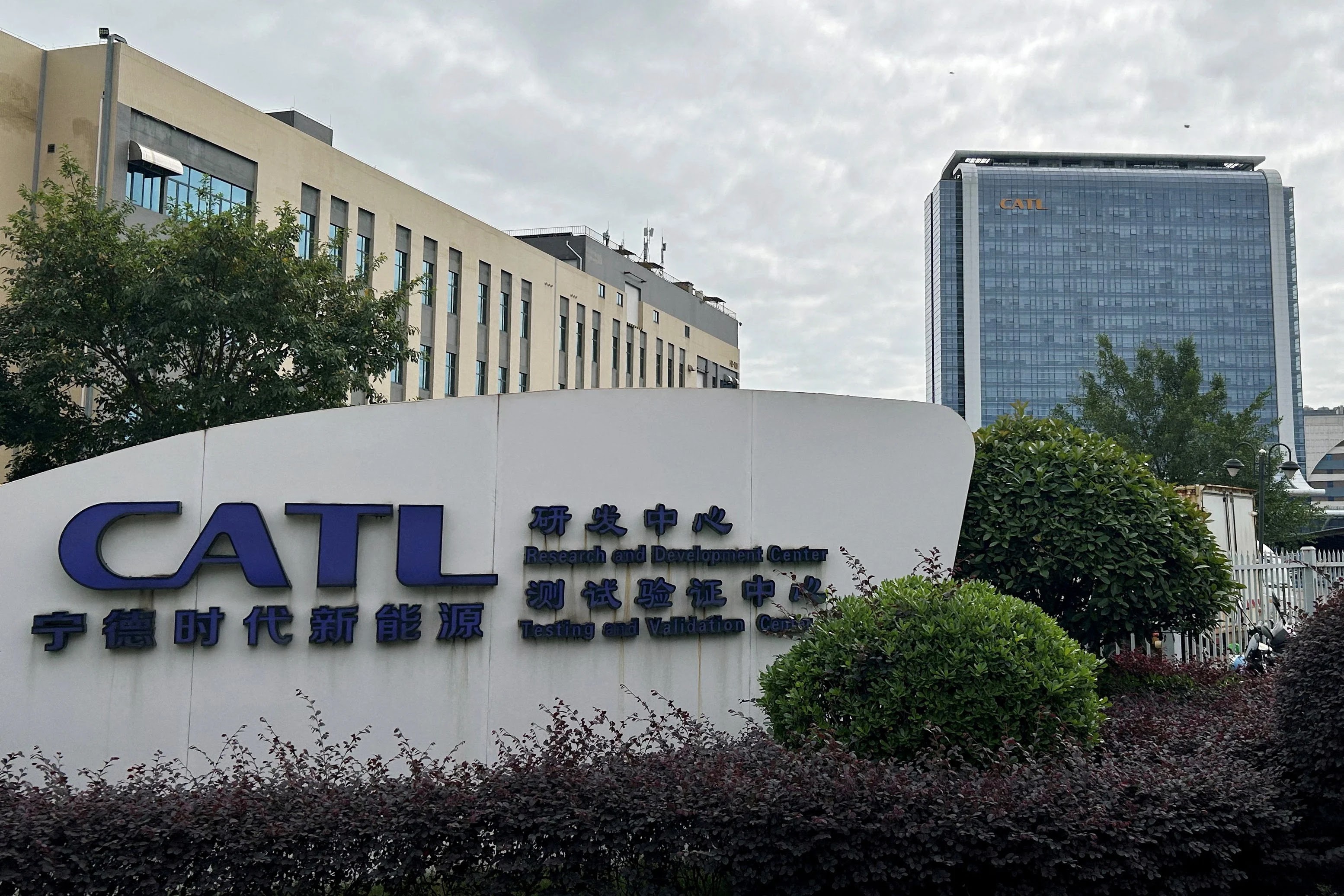
CATL

Strong EV and energy storage demand lifts GWh shipments; global capacity poised for TWh milestone in 2025

China’s top battery producer Contemporary Amperex Technology (CATL) recorded a 22% increase in battery sales in 2024, fueled by growing demand in electric vehicle and energy storage markets. The firm shipped 475GWh of lithium-ion batteries, up from 390GWh in 2023.

Growth in both EV and energy storage sectors

CATL’s 2024 shipments included 381GWh of power batteries, rising 19% year-over-year, and 93GWh of energy storage batteries, jumping 35%. These gains came amid a 27% rise in global EV-related battery consumption and a 63% surge in energy storage battery demand, according to company-cited data.

CATL’s total production capacity hit 676GWh last year, with an operational utilization rate of 76.3%. The company is constructing an additional 219GWh of capacity across sites in China, Europe, and Indonesia. Market analysts project CATL’s total capacity will reach 700–1,000GWh in 2025, potentially making it the first company to achieve TWh-scale battery output.

Global footprint and customer base widen

With 13 operating production bases, CATL is also expanding its joint ventures, including partnerships with Stellantis in North America and a vertically integrated project in Indonesia. It leads China’s battery market alongside BYD and CALB, which accounted for 25% and 7% of China’s power battery installations, respectively, compared to CATL’s 45%.

CATL supplies major auto manufacturers including BMW, Volkswagen, Toyota, Hyundai, and Chinese EV startups like NIO and Li Auto. Its energy storage clients include major global and Chinese power firms such as NextEra, Wartsila, State Power Investment Group, and PetroChina.

Despite higher volumes, CATL’s total revenue fell 9.7% to 362 billion yuan ($50 billion) in 2024. However, net profit rose 15% to 50.7 billion yuan, reflecting operational efficiency and high-margin product segments.

Jaguar Land Rover Backs Cyclic Materials in Rare Earth Recycling Expansion

No comments
Cyclic Materials

Cyclic Materials Secures Investment to Boost Rare Earth Processing in US and Europe

Canadian rare earth recycling start-up Cyclic Materials has secured a $2 million investment from InMotion Ventures, the investment arm of Jaguar Land Rover. This funding will support the launch of the company's first commercial rare earth element (REE) processing facilities in the United States and Europe. The investment extends Cyclic Materials’ Series B round to $55 million.

Expanding Rare Earth Recycling to Secure Supply Chains

Cyclic Materials is advancing its MagCycle and REEPure technologies to extract REEs from end-of-life electric vehicle (EV) motors, wind turbines, MRI machines, and data center waste. With less than 1% of REEs currently being recycled, increasing domestic processing capacity is crucial to reducing reliance on China, which dominates global REE processing. China’s export restrictions on rare earth technologies have heightened concerns about supply chain resilience.

Growing Investment in Critical Minerals Recycling

In September 2023, Cyclic Materials raised $53 million from key investors, including Microsoft, Hitachi, BMW i Ventures, ArcTern, and Fifth Wall. With InMotion Ventures' latest contribution, the company has raised over $85 million in equity financing. This funding will accelerate Cyclic Materials' North American and European expansion, refine its recycling processes, and enhance production capabilities.

Jaguar Land Rover’s investment aligns with its 2030 electrification strategy, which involves securing critical raw materials for battery repair, re-use, and recycling. The company is strengthening its upstream supply chain to support the transition to luxury electric vehicles.

Cyclic Materials has also partnered with Solvay, Vattenfall, Synetiq, and Vacuumschmelze to advance rare earth magnet recycling. The company operates Hub 100, a commercial demonstration facility in Kingston, Ontario, with an 8,000 t/yr MagCycle capacity and a 100 t/yr REEPure hydrometallurgical facility producing recycled mixed rare earth oxides (rMREO), nickel, and cobalt hydroxides.

Pensana Angola Refinery Construction Begins at $325 Million Longonjo Project

No comments
Pensana Angola Refinery Construction Begins at $325 Million Longonjo Project
Pensana Angola

Pensana Angola refinery construction commenced at the Longonjo rare earth project, marking a significant milestone in diversifying global critical minerals supply chains. The UK-based company's Pensana Angola refinery represents a $325 million investment targeting 20,000 tonnes annually of mixed rare earth carbonate (MREC) production, directly challenging China's dominance in rare earth processing and magnet material supply chains.

Comprehensive Infrastructure Development Supports Integrated Operations

Pensana Angola refinery infrastructure encompasses extensive facilities including open pit mining, concentrator and recovery plants, tailings storage, and bulk power supply systems. The integrated operation will extract, concentrate, calcine, and chemically refine free dig material to produce MREC for export through Lobito port. Construction and commissioning timelines span approximately 22 months with potential second phase expansion to 40,000 tonnes annually.

Meanwhile, the expanded capacity would represent roughly 5% of global production suitable for permanent magnet conversion in electric vehicles and offshore wind applications. Industry projections indicate neodymium-praseodymium (NdPr) metal demand growth of 7.5% compound annual rate over the next decade. This growth trajectory reflects accelerating clean energy transitions and automotive electrification requiring reliable rare earth supplies outside Chinese control.

Strategic Financing Structure Ensures Project Viability

However, Pensana secured comprehensive financing totaling $268 million through diversified international and regional partners. The Africa Finance Corporation approved $81.2 million within a $160 million syndicated loan facility alongside South Africa's Absa Bank in March. Angola's sovereign wealth fund FSDEA provided $25 million construction investment plus previous $15 million bridging loans and $38 million equity/convertible loan arrangements.

Therefore, the project operates through Pensana's 84% subsidiary Ozango Minerais, with FSDEA holding 10% ownership and other investors comprising the remainder. This ownership structure demonstrates successful public-private partnership models for critical minerals development in Africa. The sovereign wealth fund participation ensures Angolan government alignment with project success and local economic benefits.

Downstream Integration Targets European Market Penetration

Furthermore, Pensana established preliminary agreements for 100% of stage 1 production while engaging major automakers including JLR, Volvo, Mercedes, Ford, BMW, Tesla, and Stellantis for magnet supply chain partnerships. The company plans integrated downstream operations with UK-based separation plants at Saltend Chemicals Park producing 12,500 tonnes rare earth oxide and 4,400 tonnes NdPr oxide annually.

As a result, the proposed Yorkshire Energy Park metallization facility would generate 4,000 tonnes NdPr alloy annually, supporting European electric vehicle and renewable energy sectors. Pensana explores additional magnet manufacturing partnerships with Japanese companies, creating comprehensive rare earth value chains from Angolan mining through European processing and magnet production.

The Metalnomist Commentary

Pensana's Angola refinery construction represents a strategic breakthrough in Western efforts to establish alternative rare earth supply chains independent of Chinese dominance, particularly crucial as global demand for permanent magnet materials accelerates through clean energy transitions. The integrated approach from African mining through European processing demonstrates how allied nations can collaborate to secure critical minerals access while supporting local economic development in resource-rich regions.

ICL and Dynanonic Partner to Boost LFP Cathode Production in Europe

No comments
BMW

Israeli specialty minerals company ICL and Chinese battery cathode producer Shenzhen Dynanonic have formed a joint venture to manufacture lithium iron phosphate (LFP) cathode active material (CAM) in Europe. This collaboration aims to enhance the region’s battery supply chain and support the growing demand for EV and energy storage solutions.

Repurposing the Sallent Site for LFP Production

ICL has repurposed its Sallent site in Spain, previously used for potash production, to develop the new LFP cathode production facility. The joint venture represents a strategic shift towards sustainable battery materials. The companies will initially invest €285 million ($293 million), with ICL holding an 80% stake and Dynanonic the remaining 20%.

Strengthening Europe’s Battery Supply Chain

The new LFP facility will boost Europe's domestic production of battery materials, reducing reliance on Asian imports. The demand for LFP cathodes has surged due to their cost-effectiveness, safety advantages, and long cycle life compared to nickel-manganese-cobalt (NMC) alternatives. The European EV market and energy storage sectors will directly benefit from this development.

ICL and Dynanonic’s Strategic Vision

By leveraging ICL’s European presence and Dynanonic’s expertise in LFP cathode technology, the joint venture positions itself as a key player in the battery materials industry. This investment aligns with Europe’s push for battery independence and sustainable energy solutions.

EU BEV Industry Faces Challenges Without Strong CO2 Targets and Tariffs

No comments


The European Union's battery electric vehicle (BEV) market is at risk of losing ground to Chinese-owned brands unless the EU enforces its planned CO2 emission reduction targets along with newly proposed tariffs on Chinese-made electric vehicles (EVs). According to Transport & Environment (T&E), a leading environmental lobby group, these measures are essential to maintaining the competitive edge of European carmakers. The European Commission announced today that it will proceed with provisional tariffs on Chinese-manufactured EVs, signaling a critical step in addressing market imbalances.

CO2 Targets Key to Curbing Chinese BEV Imports

T&E's analysis shows a significant increase in the market share of Chinese-owned BEV brands, projecting that imports will constitute over 12% of the EU market this year, up from 8% last year. In contrast, non-Chinese brands are expected to see a slight rise to 13%. Without the enforcement of CO2 reduction targets, T&E forecasts that Chinese brands could capture nearly 15% of the market by next year, a trend that could weaken local BEV producers unless incentives are aligned to encourage a shift towards carbon-neutral vehicles.

The EU has established CO2 targets that require all automakers to achieve net zero emissions across their fleets by 2035, with interim milestones starting next year. However, recent debates and scrutiny have created uncertainty, prompting resistance from industry players. Aurelien De Meaux, CEO of Electra, a Paris-based charging start-up, emphasized the need for policy stability, stating, "The path to 2035, including specific CO2 milestones, was established in 2014 and 2019. We rely on this stability to make informed and effective investments."

Tariffs Alone May Not Protect Western BEV Producers

While the European Commission's provisional tariffs aim to level the playing field, a report by the Rhodium Group suggests that tariffs alone might not suffice. Chinese brands continue to enjoy profit margins that can absorb the costs of EU tariffs, whereas Western brands like Tesla and BMW, which manufacture in China, could see diminished profitability if tariffs are enforced. This dynamic has led to concerns that the tariffs may inadvertently harm European carmakers with overseas production facilities.

Additionally, China's response to these tariffs has included the potential for retaliatory measures on other goods, and its automakers are considering expanding production capacity overseas. Since 2022, 11 Chinese-owned EV plants have been planned in Europe, but only three have advanced past initial planning, primarily due to tariff uncertainties.

The situation is further complicated by instability in the battery production sector. According to T&E, 59% of the planned battery production capacity in Europe is "less likely" to proceed by 2030, adding to the challenges faced by the EU's BEV industry. Maintaining a clear and consistent regulatory approach will be crucial to incentivizing local production and reducing dependency on imports, ensuring the long-term sustainability of Europe's BEV market.

Toyota Backs Ionna's EV Charging Expansion

No comments

Toyota has taken a significant step into the electric vehicle (EV) landscape with an investment in Ionna, a burgeoning EV charging infrastructure company. This alliance grants Toyota's customers access to an ambitious network of high-powered charging stations planned across the United States. Ionna, which counts BMW, GM, Honda, Hyundai, Kia, Mercedes-Benz, and Stellantis among its backers, aims to roll out 30,000 charge ports by 2030.

The forthcoming stations will support both US charging standards and combined charging systems, ensuring broad compatibility with all battery-electric vehicles. This strategic move enhances the convenience and accessibility of EV charging for Toyota and Lexus drivers, marking a crucial advancement in the automaker's commitment to sustainable transportation.

Although the financial specifics of Toyota’s investment remain undisclosed, the partnership underscores a broader industry shift towards robust EV infrastructure. By joining forces with Ionna, Toyota reinforces its role in accelerating the adoption of electric vehicles, aligning with global trends towards reducing carbon emissions and fostering a greener automotive future. This collaboration is poised to reshape the EV charging landscape, promoting a more extensive and reliable network that supports the growing demand for sustainable mobility solutions.

Mangrove Lithium Secures $35mn for BC Refining Plant

No comments
Mangrove Lithium

Mangrove Lithium secured $35mn to construct a lithium refining plant in Delta, British Columbia. The facility aims to enhance North American battery material supply.

Refining Plant to Boost EV Battery Production

The plant, slated for late 2025 operation, will produce battery-grade materials for roughly 25,000 EVs annually. The funding included investments from Mitsubishi, Asahi Kasei, Breakthrough Energy Ventures, and BMW i Ventures. Mangrove converts lithium chloride and sulfate into battery-grade lithium hydroxide. Its modular platform enables refining facilities near feedstock and battery manufacturing sites.

UK BEV Sales Surge in September, But Industry Pushes for More Government Incentives

No comments
UK BEV

The UK automotive industry reached a significant milestone last month with record-breaking sales of battery electric vehicles (BEVs), which climbed to 56,387 units, marking a new high for September. Despite this promising uptick, car manufacturers are urging the government to extend consumer incentives to support the continued growth of electric vehicle sales, according to the latest report from the Society of Motor Manufacturers and Traders (SMMT).

While fleet sales of BEVs saw a modest increase of 3.7% last month and a more significant 16.3% rise year-to-date, private sales painted a different picture. Private BEV sales dipped by 1.8% in September, contributing to a 9.4% drop year-to-date. Overall, UK car sales edged up 1% last month, with total sales for the year reflecting a 4.3% increase.

SMMT chief executive Mike Hawes commented on the record BEV sales but warned that "the market is not growing quickly enough to meet mandated targets." Although BEVs claimed 20.5% of market share in September, the year-to-date share remains at 17.8%, falling short of the UK government's mandated target of 22% for 2024. Some market analysts speculate that BEV sales will likely accelerate toward the end of the year as automakers seek to avoid penalties for failing to meet these targets.

Carmakers Urge Government Support

Car manufacturers have made substantial investments in reducing the cost of BEVs, but many believe that further government support is necessary to help bridge the gap. On October 4, the SMMT, in collaboration with 12 major carmakers including Volkswagen, BMW, and Ford, sent an open letter to the Chancellor of the Exchequer, urging the government to consider new measures to incentivize BEV purchases and improve charging infrastructure.

The letter proposed several initiatives, such as temporarily halving value-added tax (VAT) on new EV purchases, scrapping the value excise duty supplement for BEVs, and lowering the public charging VAT rate to 5%—the same rate applied to private households. The SMMT also called for the extension of business incentives, including the Benefit in Kind (BiK) rate for electric vehicles, which is set to gradually rise from its current 2% to 5% by 2027-28. In comparison, diesel and petrol vehicles hold BiK rates of 25% or higher.

Additionally, the UK's plug-in van grant offers a 35% discount—up to £5,000 off the price of new electric vans weighing up to 3.5 tons, and up to £2,500 for vans under 2.5 tons. However, these grants have been reduced since 2021, when savings were as high as £6,000 and £3,000 respectively. The government has confirmed that the current grants will remain in place until the end of the 2024-25 financial year, but automakers argue that further incentives are needed to ensure sustained momentum in the transition to electric vehicles.

EGA’s nuclear-powered aluminium debuts as ENEC power decarbonises smelting

No comments
EGA’s nuclear-powered aluminium debuts as ENEC power decarbonises smelting
EGA

Nuclear-powered aluminium enters the market as Emirates Global Aluminium partners with ENEC. Nuclear-powered aluminium reduces Scope 2 emissions at EGA’s UAE smelters. Nuclear-powered aluminium targets fast-growing demand for low-carbon, “green” metal.

How the Barakah link enables low-carbon tonnes

EGA received carbon-free electricity from ENEC’s Barakah plant. The power supported production of nuclear-powered aluminium under EGA’s MinimAL brand. The first shipment went to Egypt’s Canex Aluminum for downstream use. As a result, EGA broadens its certified low-carbon portfolio beyond solar. The company already supplies CelestiAl solar aluminium to BMW.

Why this matters for auto and packaging supply chains

Large buyers now prioritise embedded-carbon reductions. Nuclear-powered aluminium offers baseload, zero-carbon power without intermittency. Therefore, it complements solar aluminium in meeting 24/7 load. Buyers can hedge energy mix risks while hitting Scope 3 targets. Meanwhile, producers gain a credible route to near-term decarbonisation at scale.

Global demand for low-carbon aluminium is rising sharply. EGA expects demand to triple by 2040. Consequently, nuclear-powered aluminium could secure premiums in autos, packaging, and construction. It may also anchor long-term offtakes tied to clean power availability.

EGA continues to diversify energy sourcing. The ENEC partnership supplies about a quarter of UAE electricity. This strengthens energy security and emissions performance. In turn, it positions UAE metal as a competitive low-carbon choice.

The Metalnomist Commentary

Nuclear baseload changes the economics of green smelting in sunny regions. Expect more hybrid portfolios that blend nuclear, solar, and grid contracts. Premiums will depend on auditable LCA data and 24/7 matching, not labels alone.

Cyclic and Solvay Sign Supply Agreement for Recycled Rare Earth Oxide

No comments

Canadian recycler Cyclic Materials has reached an agreement to supply Belgium's Solvay with recycled mixed rare earth oxide (rMREO) starting from late 2024. This development follows an initial agreement made in February 2023, after confirming the compatibility of Cyclic's product with Solvay's separation process.

The recycled oxide will be transported from Cyclic's new Hub100 facility in Ontario, Canada, to Solvay's plant located in La Rochelle, France.

"This agreement is in line with our sustainable sourcing strategy to deliver magnet grades of NdPr (neodymium-praseodymium) and Nd (neodymium) oxides to our customers by early 2025," stated An Nuyttens, president of Solvay Special Chem. She further noted, "Through this partnership, we are establishing a circular loop to reintegrate recycled MREO back into the magnet supply chain."

Since late 2022, Solvay has been working towards creating a rare earths hub for the permanent magnet value chain in La Rochelle. This initiative aims to enhance Europe's self-sufficiency and provide services to customers in the electric vehicle, wind power, and electronics sectors by 2025.

Founded in 2021, Cyclic Materials is focused on developing technologies to convert end-of-life products into raw materials, with plans to establish facilities in North America, Europe, and Asia to meet regional MREO demand. The company has attracted investments from notable entities, including BMW i Ventures, the capital venture arm of the German automaker. Earlier this year, Cyclic also signed an agreement with German magnet materials manufacturer Vacuumschmelze to recycle rare earth magnets in North America.

SAIC Seeks EU Hearing on EV Duties Amidst Rising Trade Tensions

No comments

SAIC Motor Corporation, China's premier automaker, has formally requested a hearing with the European Commission concerning the provisional countervailing duties imposed on Chinese battery electric vehicle (BEV) imports. These duties, effective from July 5, are set at 17.4% for BYD, 19.9% for Geely, and 37.6% for SAIC, marking a significant increase from the previous 10% rate.

SAIC highlights procedural errors and the overreach in the Commission’s subsidy calculations, particularly the inclusion of domestic Chinese consumer subsidies in the EU market impact assessment. The company underscores its substantial investment in R&D, totaling nearly 15 billion yuan ($2 billion) over the past decade, and its acquisition of over 26,000 patents. This technological edge, SAIC asserts, underpins the success of its MG brand in Europe.

In response to these duties, China's Ministry of Commerce and Ministry of Foreign Affairs have called for expedited consultations to find a mutually beneficial resolution. European industry voices, including BMW and the German Automotive Industry Association (VDA), have echoed concerns about the potential negative impact of these tariffs on the EU's interests, advocating for constructive dialogue between the EU and China.