Showing posts sorted by relevance for query Toyota. Sort by date Show all posts

Toyota Tsusho PPESNA Stake Strengthens North American Battery Supply Chain

No comments
Toyota Tsusho PPESNA Stake Strengthens North American Battery Supply Chain
Toyota Tsusho

Toyota Tsusho PPESNA stake acquisition gives the Japanese trading firm a stronger role in building Toyota Group’s North American battery supply chain. The company acquired a 20% stake in Prime Planet Energy and Solutions’ North American subsidiary, PPESNA.

The Toyota Tsusho PPESNA stake is designed to support stable battery production across procurement, materials, components, production equipment and recycling. The move shows how Japanese industrial groups are deepening control over regional battery supply chains as North American electrification investment expands.

PPESNA was established in September 2025 to improve service and response capabilities for PPES customers and Toyota Group’s battery business in North America. Toyota Tsusho’s investment gives the subsidiary a broader commercial and supply-chain platform.

Toyota Tsusho Targets Battery Procurement and Recycling Integration

Toyota Tsusho said the investment will help develop a supply chain covering equipment procurement, battery materials, components and recycling. This is important because battery production increasingly depends on coordinated sourcing across cathode materials, anode materials, separators, electrolytes, cells, modules and recycling routes.

The company already has exposure to Toyota Battery Manufacturing North Carolina, which can produce 30GWh/yr of batteries at full capacity. That gives Toyota Tsusho a direct link to one of Toyota Group’s key North American battery manufacturing assets.

The Toyota Tsusho PPESNA stake also complements the company’s recycling strategy. Toyota Tsusho has established a joint venture with LG Energy Solution to recycle batteries in North Carolina, giving it another position in the circular battery materials chain.

North America Becomes a Strategic Battery Manufacturing Base

North America is becoming a core region for Japanese battery supply-chain investment. Automakers and trading houses are trying to localise procurement, reduce logistics risk and prepare for tighter regional content requirements.

Toyota Tsusho’s role is especially important because trading companies often connect raw materials, equipment suppliers, manufacturers and recyclers. In battery supply chains, that coordination can reduce bottlenecks and improve long-term production stability.

For Toyota Group, the PPESNA investment supports a more integrated North American platform. It links battery production, upstream procurement and recycling at a time when battery costs, material security and regional manufacturing incentives remain central to electric vehicle competitiveness.

The Metalnomist Commentary

Toyota Tsusho’s PPESNA investment shows that battery competitiveness is moving beyond cell production alone. The real advantage will come from controlling the full supply chain, from equipment and materials procurement to recycling and closed-loop recovery.

Toyota Expands EV Operations in China and the US with New Facilities

No comments
Toyota

Toyota, a leading Japanese manufacturer, is setting up a new electric vehicle (EV)

production facility in Shanghai, China. The company aims to strengthen its presence in the growing Chinese EV market by delivering electric vehicles (EVs) and EV batteries to local customers. At the same time, it will begin shipping EV batteries from its newly established North Carolina facility in the United States. These moves are part of Toyota’s broader strategy to boost global EV production, aligning with its goal to sell 1.5 million EVs by 2026.

New Shanghai Facility: Focusing on EVs and Batteries

The new plant in Shanghai will focus on the production of EV batteries as well as the new Lexus brand EVs. Toyota plans to manufacture 100,000 EV units after 2027, though it has not disclosed whether this production will include batteries for models other than the Lexus EVs. Interestingly, Toyota has decided to set up the new Shanghai firm as a wholly-owned subsidiary, a rare move for foreign automobile manufacturers, who typically partner with local companies in China. This suggests that Toyota is committed to delivering new energy vehicles (NEVs) to Chinese customers rapidly, with a strong focus on the domestic market.

North Carolina Facility: EV Battery Production Ramp-Up

Toyota is also investing heavily in its North Carolina facility, which will start delivering EV batteries from April. This facility, with an investment of approximately $14 billion, will feature 10 production lines for batteries catering to EVs and plug-in hybrid electric vehicles (PHEVs), alongside four production lines dedicated to hybrid vehicle batteries. While Toyota has not disclosed the specific production volume for its North Carolina plant, this significant investment underscores its commitment to becoming a major player in the global EV market.

Toyota's EV Sales Strategy and Challenges

Despite these expansions, Toyota's global EV sales remain sluggish, with the company revising its sales forecast downward for the 2024-25 fiscal year. The revised outlook predicts sales of 142,000 EVs and 154,000 PHEVs, which represents a decrease of 11% and 4.9%, respectively, compared to the previous forecast. Toyota’s decision to adjust its expectations for EV and PHEV sales marks two consecutive downward revisions, highlighting the challenges the company faces in meeting its EV targets. Nonetheless, the investments in China and the US represent critical steps in Toyota's ongoing efforts to accelerate its EV production and meet its 1.5 million EV sales goal by 2026.

Toyota Lowers EV Sales Forecast for FY2024-25 Amid Safety Scandal and Weak Market Demand

No comments
Toyota

Toyota, Japan’s leading automaker, has revised its global electric vehicle (EV) sales outlook for the fiscal year ending March 31, 2025. The company now projects sales of 160,000 EV units, a reduction of 11,000 units compared to its original target announced in May 2023. This adjustment follows operational disruptions between June and September 2023, stemming from allegations of false safety test reporting.

Safety Test Allegations and Operational Adjustments

Toyota faced accusations of tampering with safety test results earlier this year, leading to a temporary suspension of some operations. The fallout from this controversy prompted Toyota to overhaul its safety measures and quality management protocols. A company representative confirmed that the downward sales revision affects all vehicle categories, including EVs.

This adjustment extends beyond sales targets to financial projections. Toyota has reduced its forecast for Earnings Before Interest, Taxes, Depreciation, and Amortization (EBITDA) for the fiscal year 2024-25 by ¥90 billion ($584 million), bringing the revised figure to ¥4.9 trillion. These financial adjustments reflect the broader impact of the sales decline and operational challenges.

Weak EV Demand and Declining Domestic Sales

Toyota’s lowered sales outlook also highlights the challenging global market for EVs, particularly outside of China, where demand remains relatively stronger. Japan’s overall domestic car sales have experienced a consistent decline, with September 2023 marking the 11th consecutive month of falling sales. Preliminary data from industry groups, including the Automobile Dealers Association, indicate a 29% year-over-year drop, with total sales at 6,429 units.

The proportion of EVs in Japan’s domestic passenger car market has also diminished, standing at 1.8% of total sales in 2023—a drop of 0.7 percentage points from the previous year. This downward trend underscores the broader challenges facing EV adoption in Japan and other global markets.

Toyota’s Road Ahead: Challenges and Strategic Adjustments

While Toyota remains a dominant force in the automotive industry, its revised EV sales forecast highlights ongoing difficulties in achieving ambitious targets amid weak demand and reputational challenges. The safety scandal has cast a shadow on the company’s operational integrity, prompting significant internal reforms.

The global EV market’s sluggish performance outside of China further complicates Toyota’s efforts to meet its revised targets. Despite these setbacks, Toyota’s commitment to restructuring its safety protocols and operational strategies demonstrates a long-term vision to regain trust and align with the growing global shift towards electric mobility.

Jogmec Toyota Tsusho Rare Earth Stake Strengthens Japan’s Heavy Rare Earth Strategy

No comments
Jogmec Toyota Tsusho Rare Earth Stake Strengthens Japan’s Heavy Rare Earth Strategy
Toyota Tsusho

Jogmec Toyota Tsusho rare earth stake plans mark another step in Japan’s effort to secure heavy rare earth supply outside China. Japan’s state-owned energy agency Jogmec has selected Toyota Tsusho as the winning bidder to take over part of its 40pc option interest in the Lofdal heavy rare earth project in northwestern Namibia.

The Lofdal project contains heavy rare earth elements including dysprosium and terbium. These materials are critical for high-performance permanent magnets used in electric vehicle motors, wind turbines, robotics, defense systems, and advanced electronics.

The Jogmec Toyota Tsusho rare earth stake transfer could help move the project closer to commercialization. It also shows how Japan is using state-backed investment, trading house networks, and overseas resource partnerships to reduce exposure to China-dominated rare earth supply chains.

Lofdal Project Offers Japan a Potential Non-China Heavy Rare Earth Source

The Lofdal heavy rare earth project has strategic importance because dysprosium and terbium are among the most supply-sensitive rare earth elements. Both are used to improve magnet performance under high-temperature and high-stress operating conditions.

Canada’s Namibia Critical Metals and Jogmec have jointly explored the project since 2020. Jogmec acquired its 40pc option interest in 2023, and the partners released a pre-feasibility study in January 2026.

The project is now moving through a definitive feasibility study ahead of a final investment decision. Toyota Tsusho’s participation could support development momentum, particularly if future offtake structures are aligned with Japan’s industrial demand.

Toyota Tsusho Role Connects Mining Risk With Industrial Supply Chains

Toyota Tsusho’s role matters because Japanese trading houses often bridge upstream mining projects and downstream manufacturers. The company’s involvement could help connect Namibian heavy rare earth supply with Japan’s automotive, magnet, electronics, and clean energy industries.

Japan’s rare earth supply chain faces a structural challenge. Heavy rare earth production and separation remain highly concentrated in China, while demand is rising from EVs, wind power, and advanced manufacturing.

The Jogmec Toyota Tsusho rare earth stake therefore reflects a broader resource security strategy. Japan is not only seeking mineral access, but also trying to build more resilient supply routes for magnet materials that underpin electrification and industrial competitiveness.

The Metalnomist Commentary

Japan’s move into the Lofdal project shows that heavy rare earth security depends on early-stage project positioning, not only finished oxide purchasing. If Lofdal advances, Namibia could become an important part of Japan’s non-China magnet materials strategy.

Toyota Launches UK Battery Recycling Plant to Advance Circular Economy Goals

No comments
Toyota, UK Battery Recycling

Burnaston Facility Will Recover Key EV Battery Materials and Support EU Carbon Neutrality Targets

Toyota Builds First Circular Factory in the UK

Toyota has announced plans to open a new battery recycling plant in Burnaston, Derbyshire, UK. The site will process end-of-life electric vehicles and recover critical battery materials such as nickel, cobalt, lithium, and graphite. This project marks the automaker’s first “Toyota Circular Factory,” aimed at promoting material reuse and sustainability.

The new facility, built on the grounds of Toyota’s existing Corolla production plant, will process up to 10,000 vehicles annually during its initial phase. In addition to batteries, the factory will recycle other vehicle parts to minimize waste and environmental impact.

Expansion Across Europe and Net-Zero Ambitions

Toyota Motor Europe’s Vice President of Circular Economy, Leon van der Merwe, confirmed that the UK facility is just the beginning. “As a next step for the Toyota Circular Factory concept, we plan to roll out similar operations across Europe,” he said. He also stressed the company's openness to collaborating with other organizations focused on circularity and carbon neutrality.

The initiative aligns with Toyota’s broader sustainability commitments. The company aims to achieve full carbon neutrality across all operations by 2040 and reduce vehicle carbon emissions in Europe by 100% by 2035. This recycling plant will play a crucial role in achieving these targets by closing the loop on electric vehicle battery materials.

Toyota maintains auto output forecast for FY25 despite US tariff shift

No comments
Toyota maintains auto output forecast for FY25 despite US tariff shift
Toyota

Toyota maintains auto output forecast for FY25 as trade terms evolve. The company reaffirmed a 10mn-unit plan for the year. Toyota maintains auto output forecast while raising North America sales guidance. Toyota maintains auto output forecast even as tariffs weigh on profit.

Production plans and regional demand

Toyota will build 3.3mn vehicles in Japan this fiscal year. It will produce 6.7mn units at overseas plants. The company nudged North America sales up by 20,000 units to about 3mn. However, it kept the global production target unchanged at 10mn. Aichi land acquisition prepares a new domestic plant for the early 2030s.

Profit outlook under new tariff regime

Operating profit guidance fell to ¥3.2tn for FY25. That compares with ¥4.8tn in the prior year. Management attributes roughly ¥1.4tn impact to the US levy. The US and Japan agreed on a 15pc car tariff. This replaces earlier extra duties announced in April.

Stable output supports supply chains and dealer inventories. Meanwhile, Toyota prioritises regional mix to protect margins. The unchanged volume plan signals tight cost control and disciplined allocation. As a result, suppliers should expect steady call-offs through FY25.

The Metalnomist Commentary

Toyota’s steady production target signals confidence in core demand. Margin pressure now hinges on tariff pass-through and mix. Watch North America volume, yen moves, and sourcing shifts as key profit drivers.

Toyota Secures $4.5 Million DOE Funding for EV Battery Recycling Technology

No comments
Argonne National Laboratory

Toyota, a global leader in automotive innovation, has received $4.5 million from the US Department of Energy (DOE) to advance cutting-edge electric vehicle (EV) battery recycling technology. This initiative aims to address critical bottlenecks in battery recycling, including automating pack disassembly, improving battery identification and sorting with data-driven methods, and mitigating challenges posed by cell degradation.

The Toyota Research Institute of North America will spearhead this project by developing autonomous robotic systems to disassemble EV batteries, an essential step toward enhancing sustainability and efficiency in the battery supply chain.

Efforts to Build a Sustainable Battery Ecosystem

As the demand for EVs grows, so does the volume of spent batteries and manufacturing scrap. Toyota’s initiative represents an effort to make the recycling process more sustainable, efficient, and scalable.

This latest project builds on Toyota’s growing portfolio of collaborations and research in battery recycling:
  • April 2024: Partnered with Argonne National Laboratory to explore direct recycling processes for cathode chemistries containing critical minerals like nickel, manganese, and cobalt.
  • Late 2023: Partnered with Cirba Solutions to enhance the collection, storage, testing, and recycling of spent batteries.
  • 2022: Collaborated with Redwood Materials to focus on recycling hybrid EV batteries through improved collection and testing methods.
By working with leading recycling companies and research organizations, Toyota aims to ensure that its batteries are part of a closed-loop supply chain, reducing reliance on virgin materials and enhancing the sustainability of its EV production process.

The Path Ahead for EV Sustainability

This DOE-funded project underscores the increasing importance of a sustainable battery supply chain as EV adoption rises globally. By tackling technical challenges such as cell degradation and automation, Toyota is paving the way for scalable recycling solutions critical to the EV industry’s future.

Toyota Backs Ionna's EV Charging Expansion

No comments

Toyota has taken a significant step into the electric vehicle (EV) landscape with an investment in Ionna, a burgeoning EV charging infrastructure company. This alliance grants Toyota's customers access to an ambitious network of high-powered charging stations planned across the United States. Ionna, which counts BMW, GM, Honda, Hyundai, Kia, Mercedes-Benz, and Stellantis among its backers, aims to roll out 30,000 charge ports by 2030.

The forthcoming stations will support both US charging standards and combined charging systems, ensuring broad compatibility with all battery-electric vehicles. This strategic move enhances the convenience and accessibility of EV charging for Toyota and Lexus drivers, marking a crucial advancement in the automaker's commitment to sustainable transportation.

Although the financial specifics of Toyota’s investment remain undisclosed, the partnership underscores a broader industry shift towards robust EV infrastructure. By joining forces with Ionna, Toyota reinforces its role in accelerating the adoption of electric vehicles, aligning with global trends towards reducing carbon emissions and fostering a greener automotive future. This collaboration is poised to reshape the EV charging landscape, promoting a more extensive and reliable network that supports the growing demand for sustainable mobility solutions.

Idemitsu to Build Lithium Sulphide Plant in Chiba to Support Toyota’s All-Solid-State Battery Rollout

No comments
Idemitsu, Lithium Sulphide Plant

$142 Million Facility to Produce Key ASSB Material for 3GWh Annually, Backed by Japanese Government Subsidies

Idemitsu Advances Battery Strategy with New Lithium Sulphide Facility

Japanese energy firm Idemitsu Kosan has announced plans to construct a large-scale lithium sulphide production plant in Chiba, with completion targeted for June 2027. The project is part of Idemitsu’s broader strategy to establish an integrated supply chain for all-solid-state battery (ASSB) production—a technology expected to define the next generation of electric vehicle (EV) batteries.

The plant will produce lithium sulphide at volumes equivalent to powering 3GWh of ASSB output annually, reinforcing Japan’s position in the global battery supply chain. The ¥21.3 billion ($142 million) investment will be partially supported by ¥7.1 billion in government subsidies, according to Idemitsu.

ASSB Seen as Next-Generation EV Battery Solution

ASSBs offer significant advantages over traditional lithium-ion (Li-ion) batteries, including faster charging, higher energy density, better thermal stability, and reduced use of critical metals like nickel and cobalt. These benefits make them highly attractive for next-generation EV platforms.

In October 2023, Idemitsu and Toyota announced a partnership to commercialize ASSB for EVs by 2027–2028. Under this plan, Idemitsu will supply solid electrolytes, derived from its lithium sulphide, while Toyota integrates them into EV battery systems. Toyota’s goal is to produce vehicles capable of driving up to 1,200 km on a single charge—more than twice the range of its current EVs.

Integrated Upstream-Downstream Supply Secures Japan’s Battery Future

Idemitsu will manufacture lithium sulphide by processing lithium hydroxide sourced from its Australian mining assets with sulphur by-products from its oil refining operations. This vertically integrated model reflects Japan’s push to reduce battery supply chain dependencies on China while leveraging domestic expertise in refining and manufacturing.

As Japan’s second-largest oil refiner, Idemitsu is uniquely positioned to transform its fossil fuel legacy into a clean tech future. The company also plans to produce several thousand tonnes of solid electrolyte materials to support full-scale ASSB deployment across Toyota’s production lines.

Radius Recycling appoints new chief executive amid Toyota Tsusho integration

No comments
Radius Recycling appoints new chief executive amid Toyota Tsusho integration
Radius Recycling

Radius Recycling appoints new chief executive to steer the post-acquisition integration and growth agenda. The move formalizes a leadership transition as Toyota Tsusho assumes ownership. Consequently, Radius Recycling appoints new chief executive to align global scrap flows, mill operations, and exports. In this context, Radius Recycling appoints new chief executive to pursue operational gains across North America.

Leadership transition and near-term priorities

Marc Hathhorn became chief executive on 1 September after 10 months as COO. He joined the company from Peabody Energy in November 2024. Therefore, he brings large-scale industrial and logistics experience to metals recycling. His mandate emphasizes integration, network efficiency, and disciplined capital deployment. Meanwhile, Toyota Tsusho’s platform can expand commercial reach and supply optionality.

Lundgren’s legacy and the strategic backdrop

Outgoing CEO Tamara Lundgren became executive chairman through 30 November. She supports stakeholder continuity during the ownership transition. Under her tenure, the firm rebranded from Schnitzer Steel in 2023. The company now operates seven US bulk export facilities and an Oregon steel mill. It also runs a broad network of ferrous and nonferrous scrap yards. The Toyota Tsusho deal closed on 10 July for $1.34bn. Filings show Lundgren sold $38.4mn of stock as part of the transaction.

The Metalnomist Commentary

Leadership continuity is critical when integrating into a global trading house. If Hathhorn executes on logistics and procurement synergies, margins could improve despite volatile shred spreads and export freight.

Japan’s Domestic EV Sales Decline for 12th Consecutive Month in October

No comments
Japan’s EV

The electric vehicle (EV) market in Japan continued to face challenges in October, with domestic passenger EV sales falling for the 12th straight month. Data from the Automobile Dealers Association, Japan Light Motor Vehicle and Motorcycle Association, and Japan Automobile Importers Association (JAIA) revealed a significant 35.1% year-on-year drop, totaling just 4,325 units sold. Month-on-month, sales decreased by 32.7%.

Declining Market Share for Domestic Brands

Domestic EVs accounted for only 1.3% of Japan’s total passenger car sales in October, down from 2.0% in the same period last year. A key contributor to this decline was the sharp drop in sales of Nissan’s Sakura, one of the best-selling models among Japanese brands. Sakura sales plummeted by 51.6%, recording just 1,448 units.

Imported EVs Remain Resilient Amid Supply Constraints

While foreign-brand EV sales also declined, the drop was less pronounced at 4% year-on-year, with 1,900 units sold in October. Volkswagen, one of the leading foreign brands, faced supply shortages that contributed to the downturn. However, imported EVs accounted for approximately 44% of Japan’s total EV sales, reflecting sustained demand for international models in the domestic market.

Toyota Revises Global EV Sales Outlook

Amid this downward trend, Toyota, Japan’s largest automaker, revised its global EV sales forecast on November 6. The company now expects to sell 160,000 EV units by the fiscal year ending March 31, 2025—a reduction of 11,000 units from its initial projection in May. This revision reflects broader challenges faced by Japanese automakers in the increasingly competitive EV market.

As Japan grapples with declining EV sales and shifting consumer preferences, the automotive industry faces mounting pressure to adapt and innovate.

Projected Recovery in Japan's Crude Steel Output in FY 2025, IEEJ Reports

No comments
IEEJ

Japan is poised for a rebound in crude steel production in the fiscal year 2025, driven by an upturn in broader domestic industrial sectors such as automotive, electronics, and industrial machinery, as per the latest forecast from the Institution of Energy Economy Japan (IEEJ).

Growth in Domestic Industries Fuels Steel Production

According to the IEEJ's projections announced on December 24, Japan’s crude steel output is anticipated to increase by 4.1% year-on-year to 86.5 million tons in FY 2024-25. This marks the first annual growth in four years, signaling a significant recovery in the sector. The uptrend in domestic car production, expected to rise by 1.8% to 8.9 million units, is a key factor contributing to this resurgence. Furthermore, investments in digitalization and green technologies are expected to support sustained demand for steel throughout the forecast period.

Export Outlook and Challenges

The IEEJ also expects a modest increase in Japan's steel product exports by 1.2% year-on-year, following positive trends in the global manufacturing sectors. This comes after Japan exported approximately 32 million tons of steel products in the previous fiscal year, as reported by the Japan Iron and Steel Federation (JISF).

Despite this optimistic forecast, the steel industry has faced challenges such as rising material costs and labor shortages, which have impacted the construction sector and dampened steel demand. Additionally, operational disruptions at major automotive manufacturers like Toyota and Daihatsu, due to issues with safety test reporting, have further strained demand. These factors have contributed to a protracted period of decline in steel orders, particularly for automobile manufacturing, with a tenth consecutive month of year-on-year decline observed in October.

CATL Expands Battery Sales in 2024 Despite Revenue Dip

No comments
CATL

Strong EV and energy storage demand lifts GWh shipments; global capacity poised for TWh milestone in 2025

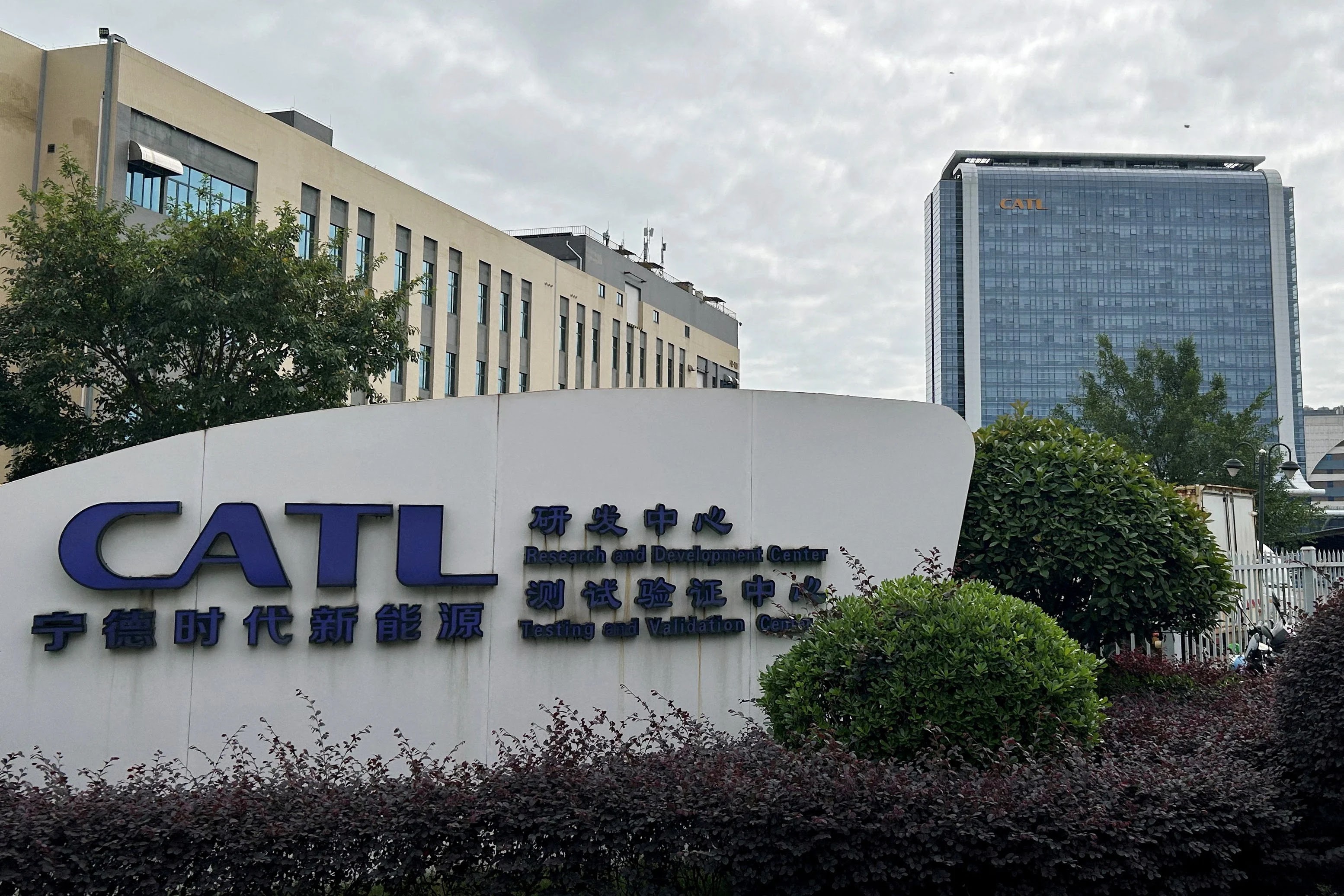
China’s top battery producer Contemporary Amperex Technology (CATL) recorded a 22% increase in battery sales in 2024, fueled by growing demand in electric vehicle and energy storage markets. The firm shipped 475GWh of lithium-ion batteries, up from 390GWh in 2023.

Growth in both EV and energy storage sectors

CATL’s 2024 shipments included 381GWh of power batteries, rising 19% year-over-year, and 93GWh of energy storage batteries, jumping 35%. These gains came amid a 27% rise in global EV-related battery consumption and a 63% surge in energy storage battery demand, according to company-cited data.

CATL’s total production capacity hit 676GWh last year, with an operational utilization rate of 76.3%. The company is constructing an additional 219GWh of capacity across sites in China, Europe, and Indonesia. Market analysts project CATL’s total capacity will reach 700–1,000GWh in 2025, potentially making it the first company to achieve TWh-scale battery output.

Global footprint and customer base widen

With 13 operating production bases, CATL is also expanding its joint ventures, including partnerships with Stellantis in North America and a vertically integrated project in Indonesia. It leads China’s battery market alongside BYD and CALB, which accounted for 25% and 7% of China’s power battery installations, respectively, compared to CATL’s 45%.

CATL supplies major auto manufacturers including BMW, Volkswagen, Toyota, Hyundai, and Chinese EV startups like NIO and Li Auto. Its energy storage clients include major global and Chinese power firms such as NextEra, Wartsila, State Power Investment Group, and PetroChina.

Despite higher volumes, CATL’s total revenue fell 9.7% to 362 billion yuan ($50 billion) in 2024. However, net profit rose 15% to 50.7 billion yuan, reflecting operational efficiency and high-margin product segments.

US Tariffs Could Boost Argentina’s Lithium Salts Production

No comments
Argentina Lithium

New Tariff Policies May Propel Argentina to the Forefront of Battery Materials Supply

US President Donald Trump’s new tariff measures, announced this week, could significantly impact the global lithium market. While many energy and mineral products, including lithium carbonate and lithium hydroxide, are exempt from new tariffs, the shift towards more localized battery production in the US could create new opportunities for Argentina's lithium sector. Argentina, with its lower-cost brine assets, could become a key player in the production of battery-grade lithium salts.

Shift in Global Battery Manufacturing and Tariffs Impact

Trump's recent tariff policy introduced significant duties on completed batteries from China, Japan, and South Korea. These duties are likely to accelerate the trend of localizing battery production in the US. Under the Inflation Reduction Act of former President Joe Biden’s administration, the US has already seen a shift toward local manufacturing, with major battery manufacturers like Panasonic, Samsung SDI, Ford, and Toyota planning to open around 10 new battery factories this year.

However, with a lack of domestic mining and processing capacity in the US, the country will increasingly rely on imports for raw materials to meet the demand for battery production. The US currently has only one operating lithium mine, Albemarle's Silver Peak mine in Nevada. Despite producing lithium carbonate and hydroxide, this mine cannot meet the higher purity standards required for battery-grade products needed in electric vehicles (EVs).

Argentina’s Competitive Edge in Lithium Salts Production

Argentina stands out due to its potential to produce high-quality, cost-competitive lithium salts. Brine operations in Argentina are expected to be more efficient and less costly than other South American and spodumene-producing countries. Although brine facilities require higher initial capital costs, their ongoing operational costs are lower than spodumene-based assets, making them an attractive option for global supply chains.

Argentina’s competitive advantage is further strengthened by its 3% royalty tax on lithium mining, compared to the 40% ceiling in Chile, which has a more developed lithium industry. Despite facing a 10% import tariff by the US, Argentina is well-positioned to expand its lithium production to meet the growing demand from battery factories in the US. According to Argentina’s Vice Minister of Energy and Mining, Daniel Gonzalez, "All of Argentina's lithium projects go to battery grade," signaling the country's commitment to producing high-purity lithium products.

While countries like Australia, Brazil, and some African nations rely on China for lithium processing, Argentina's direct production of battery-grade lithium offers it a strategic advantage in the global market.

India EV Funding Gap Threatens 2030 Electrification Targets

No comments
India EV Funding Gap Threatens 2030 Electrification Targets
India EV, TOYOTA

India EV funding remains far behind the level needed to meet the country’s 2030 electrification targets. The Institute for Energy Economics and Financial Analysis estimates that India invested $25.6bn across EV manufacturing, public subsidies, and charging infrastructure between 2020 and 2025, equal to only 18pc of required capital.

India now needs to mobilise another $117.82bn by 2030. That means around 82pc of the total investment requirement remains unfunded. The scale of the India EV funding gap is significant because the country’s targets require EVs to reach 30pc of private car sales, 70pc of commercial vehicle sales, 40pc of buses, and 80pc of two- and three-wheelers by 2030.

The funding shortfall has direct implications for battery materials, grid investment, charging equipment, automotive supply chains, and domestic manufacturing competitiveness. Without faster capital deployment, India may struggle to turn policy ambition into large-scale electrification.

EV Manufacturing Investment Remains Uneven Across Segments

India’s EV manufacturing investment has been concentrated heavily in electric three-wheelers. This segment represented around 78pc of total OEM investment between 2020 and 2025, reflecting early commercial adoption and a highly fragmented producer base.

IEEFA noted that more than 800 electric three-wheeler OEMs are registered on the government’s Vahan dashboard. This fragmentation has led to duplicate fixed investments across many small and mid-sized firms, which may reduce capital efficiency as the market matures.

Other EV segments have attracted much less manufacturing capital. Electric two-wheelers accounted for around 8pc of total OEM investment, electric four-wheelers also represented about 8pc, and electric buses contributed roughly 6pc. Electric four-wheeler investment remained limited because of high upfront costs, fewer models, and slower adoption.

OEM investment also declined from $4.3bn in 2020 to $2.1bn in 2025. This slowdown reflects earlier capacity expansion and a later shift toward better use of existing resources. However, it also shows that India EV funding momentum must strengthen if the country wants to meet its 2030 targets.

Charging and Financing Bottlenecks Could Slow EV Adoption

Public charging infrastructure has expanded quickly but remains underfunded. India’s public charger count rose from 5,151 in 2020 to 39,485 in 2025. However, estimated investment reached only around $230mn including installation and set-up costs, equal to just 9.6pc of the $2.36bn needed by 2030.

This charging gap creates a major adoption barrier. India’s charger-to-EV ratio remains well behind China, the EU, and the US. Without faster charging deployment, EV adoption could remain concentrated in certain vehicle segments and urban markets rather than scaling across the wider transport system.

High financing costs add another structural constraint. Commercial EV borrowers face interest rates of 15-33pc, which can weaken the total cost-of-ownership advantage that normally supports EV adoption. This is especially important for buses, delivery fleets, commercial vehicles, and small operators.

IEEFA proposes an integrated financing platform using partial credit guarantees, residual value protection, battery-as-a-service models, and co-lending structures. Such mechanisms could reduce lender risk and lower borrowing costs, helping India move from subsidy-led growth toward market-led EV scaling.

The Metalnomist Commentary

India’s EV challenge is no longer only about demand creation; it is about capital architecture. The country needs financing models, charging investment, and supply-chain depth that can support electrification at industrial scale.

Japan’s Aluminium Imports Decline Due to Weaker Demand in Automotive and Construction Sectors

No comments

Japanese aluminium imports saw a significant decrease in June, both on a monthly and yearly basis, driven by reduced demand in the automotive and construction industries. According to customs data, aluminium imports fell by 16.5% month-on-month and 14.3% year-on-year to 84,770 tons in June. This brought the total volume for January to June down by 4.5% year-on-year to 506,818 tons.

The Japan Aluminium Association (JAA) reported a 0.7% year-on-year decrease in the production of aluminium goods in June, totaling 144,775 tons. This decline followed three consecutive months of production growth. Domestic sales of aluminium products also fell by 3.2% year-on-year to 144,944 tons in June. Overall, the total production of aluminium goods in the first half of the year fell by 2.9% year-on-year to 826,365 tons, continuing a three-year downward trend.

The automotive industry, a significant consumer of aluminium, faced reduced demand due to car-testing scandals involving faulty safety data. Major manufacturers such as Daihatsu, Toyota, and Mazda suspended production for periods during the first half of the year to address issues with vehicle safety certification data. Consequently, total passenger vehicle output dropped by 9.8% year-on-year to 3.7 million units from January to June.

In the construction sector, the use of aluminium products fell by 10% to 172,438 tons in the first half of the year. This decline was attributed to project delays caused by rising material and labour costs and a preference for new materials over aluminium for window frames.

Additionally, Japan's imports of secondary aluminium alloy ingots (ADC12) were 77,414 tons in June, down by 2% month-on-month and 24% year-on-year, according to the finance ministry.


Canada’s NextSource Sets Sights on $280 Million Graphite Plant in Saudi Arabia

No comments
Canada’s NextSource

NextSource Materials, a Canadian mining company, has unveiled ambitious plans to establish a state-of-the-art battery anode facility in Saudi Arabia, dedicated to producing graphite for electric vehicles (EVs). According to a technical study released on Thursday, the proposed plant is set to produce 20,000 tonnes per year of graphite anode active material within the first 16 months of operation. This initiative is part of NextSource's broader strategy to develop an anode processing hub over the next five years, aiming for a total production capacity of up to 100,000 tonnes per year of coated spheronised purified graphite.

Last June, NextSource commenced the production of graphite concentrate at its Molo mine in southern Madagascar. The output supplies leading EV manufacturers such as Tesla and Toyota. The company is targeting a phase 1 nameplate capacity of 17,000 tonnes per year of graphite concentrate by next month.

Looking ahead, the company has set a phase 2 production guidance to reach 150,000 tonnes per year of graphite within two years, a significant increase from the current 45,000 tonnes per year reported in September. Notably, NextSource's 4GWh solar and battery hybrid power plant at the Molo site achieved full operational status in October, capable of supplying one-third of the plant’s power needs.

In April, NextSource signed a long-term lease agreement to construct a second graphite plant in the Freeport Zone of Port-Louis, Mauritius. This facility will initially have a nameplate capacity of 3,600 tonnes per year of battery-grade graphite, with plans to scale up to 14,400 tonnes per year by next year, pending successful negotiations with the government.

The company is also exploring potential expansion into the UAE and North America, as part of its strategic effort to diversify global supply chains for battery-grade graphite anodes. According to trade data, China accounted for over 80 million kilograms of flake graphite imports last year, representing 83% of global imports and underscoring the critical need for diversified sources of this essential raw material for natural graphite anodes.

Japan's Iron Ore Imports Decline in July Amidst Weak Steel Demand

No comments

Decrease in Australian Supplies and Rising Concerns Over Steel Imports

Japan imported approximately 8.4 million tons of iron ore in July, marking an 8.6% decrease compared to the previous year due to reduced steel demand. Imports from Australia, Japan’s largest supplier, fell by 13.6% to 4.6 million tons, while shipments from Brazil increased by 8.9% to 3.1 million tons.

The decline in imports is attributed to weakened steel demand, particularly from the automotive sector. In June, orders for ordinary steel used in automobiles dropped by 10.4%, as reported by the Japan Iron and Steel Federation (JISF). This downturn is expected to persist through September due to ongoing production suspensions by some manufacturers, including Toyota.

Japanese steel producers are concerned about an influx of foreign steel, particularly from China. Imports of ordinary steel products from China surged by 43% from April to June, exacerbating worries about a demand-supply imbalance. Despite these concerns, Japan's Ministry of Economy, Trade, and Industry (Meti) is currently monitoring the situation without immediate plans for intervention.


Machina Labs Aerospace Factory Signals a New Push in AI-Driven Metal Forming

No comments
Machina Labs Aerospace Factory Signals a New Push in AI-Driven Metal Forming
Machina Labs

The Machina Labs aerospace factory marks a major step for AI-driven metal forming in the United States. The company raised $124mn to support its first large-scale production site. This new facility will produce complex structural assemblies from aluminum and titanium alloys. As a result, the Machina Labs aerospace factory could reshape part of the aerospace manufacturing workflow.

This matters because aerospace and defense manufacturers still face long lead times and rigid tooling requirements. Machina says its RoboCraftsman cells can form, trim, drill, and finish components without traditional dies or presses. That approach could make production more flexible and faster. Therefore, the Machina Labs aerospace factory is targeting a real industrial bottleneck.

The project also arrives with strong strategic backing. Toyota and Lockheed Martin joined the funding round through their venture capital arms. That support gives the startup more credibility in advanced manufacturing circles. Consequently, the Machina Labs aerospace factory now looks more like an industrial scale-up than a simple technology demonstration.

AI-Driven Metal Forming Could Change Aerospace Production Economics

AI-driven metal forming is attractive because it reduces the need for dedicated tooling. Traditional forming often depends on dies, molds, and press infrastructure built for specific parts. Machina’s model aims to avoid that limitation through reconfigurable robotic cells. As a result, manufacturers may gain faster response times and lower setup barriers.

That flexibility matters most in aerospace and defense. These sectors often require lower-volume, higher-complexity parts than mass automotive production. A manufacturing system that can switch part types without retooling offers a strong advantage. Therefore, AI-driven metal forming may fit aerospace better than many older production methods.

The Intelligent Factory reflects that logic at scale. Machina plans a 200,000-square-foot site with up to 50 RoboCraftsman cells. The company says the plant will produce thousands of complex structural assemblies each year. Meanwhile, the focus remains on sheet-metal structures rather than simple components.

Aluminum and Titanium Structural Assemblies Expand Beyond Traditional Tooling

Aluminum and titanium structural assemblies are central to Machina’s current strategy. The company has focused on airframe skins and structures for both commercial and military aircraft. It is also working on thin-walled parts for leading edges, skins, and control surfaces used in hypersonics and missiles. Consequently, the Machina Labs aerospace factory is targeting demanding applications rather than commodity parts.

The material roadmap adds further importance. Machina is working to qualify new materials and improve handling of high-temperature alloys, heat-treated grades, and specialty metals. That suggests the company wants to expand beyond current aluminum and titanium work. Therefore, the factory could become more important over time if material qualification progresses.

The business model also reaches beyond aerospace. Machina has applied its technology to custom automotive body panels as well. However, aerospace and defense remain the clearest commercial driver for now. As a result, the factory’s success will likely depend on whether it can meet strict quality and qualification demands in those sectors.

The Metalnomist Commentary

This funding round matters because it supports a factory, not just a concept. Machina is trying to industrialize flexible metal forming where titanium, aluminum, and lead time all matter. If the model works at scale, it could become a meaningful new layer in aerospace manufacturing automation.

Copper Market Faces Volatility and Uncertainty in 2025

No comments
Copper

The U.S. copper market is poised for continued volatility in 2025, influenced by Chinese demand trends, electric vehicle (EV) rollouts, and shifting U.S. monetary policy. Copper prices surged in mid-2024, reaching a record high of $5.106/lb on May 21, before retreating to an average of $4.33/lb in the second half of the year.

Market participants expect these factors, along with potential import tariffs under President-elect Donald Trump, to shape price movements throughout 2025. Trade tensions, interest rate decisions, and inflationary pressures will further add to the market’s uncertainty.

Macroeconomic Pressures and Strong Dollar Impact

A strong U.S. dollar and Federal Reserve policy shifts remain key concerns for copper traders. The DXY dollar index surged to 108.2 on December 19, the highest since November 2022, following signals from the Federal Reserve that interest rate cuts in 2025 may be limited to 50 basis points rather than the previously expected 100 basis points.

A stronger dollar generally weakens copper demand, making the metal more expensive for holders of other currencies. Additionally, tariffs and inflationary pressures could force the Fed to slow rate cuts or even increase interest rates, further strengthening the dollar and weighing on copper prices.

Trade policy uncertainty remains a major factor, as Trump’s proposed import tariffs could prompt retaliatory measures, raising costs and curbing global copper demand.

EV Market Uncertainty Weighs on Copper Demand

While the renewable energy sector—including wind and solar projects—is expected to support copper demand, the EV sector faces growth concerns. Automakers such as GM, Ford, and Toyota have delayed full EV rollouts, opting to shift toward hybrids.

Each EV requires approximately 183 lbs of copper, nearly four times more than a traditional internal combustion engine (ICE) vehicle. A slower EV adoption rate could dampen near-term copper demand growth, despite the long-term outlook remaining strong.

Diverging Copper Price Forecasts for 2025

Market analysts are split on copper’s 2025 price outlook, though most agree that the market will likely enter a deficit by 2026 due to growing renewable energy demand.
  • Goldman Sachs forecasts $4.61/lb in 2025, citing potential stimulus-driven upside risks and trade-related downside risks.
  • Citigroup projects a lower $3.97/lb, while Bank of America estimates $4.28/lb.
  • UBS predicts a range of $4.76-$4.99/lb, signaling a bullish outlook compared to other institutions.
With geopolitical uncertainties, currency fluctuations, and shifting industrial demand, 2025 is shaping up to be a pivotal transition year for the copper market.