Showing posts sorted by relevance for query Volkswagen. Sort by date Show all posts

Volkswagen ID.4 Production Halt Shows US EV Demand Pressure

No comments
Volkswagen ID.4 Production Halt Shows US EV Demand Pressure
Volkswagen EV

Volkswagen ID.4 production in the US will end as the German automaker shifts its Chattanooga, Tennessee, plant toward higher-volume internal combustion vehicle output. The decision reflects weaker electric vehicle demand in the US and the need to protect North American manufacturing utilisation.

Volkswagen said the EV market continues to challenge the industry and requires measured decisions. The company will stop producing the ID.4 at Chattanooga and begin assembling the all-new second-generation Atlas from mid-April 2026.

Volkswagen ID.4 production has been strategically important because the model is the company’s top-selling EV in the US. However, the ID.4 sold 22,373 units in 2025, far below the Atlas, which sold 71,044 units and remained Volkswagen’s second-best-selling model for the past three years.

The decision shows how automakers are adjusting production footprints as EV adoption slows. US EV sales fell by 27% year on year to 216,300 units in the first quarter, creating pressure on manufacturers to rebalance plant capacity, dealer inventory and product planning.

Chattanooga Shift Prioritises Higher-Volume SUV Demand

The Chattanooga plant will now focus on the second-generation Atlas, a three-row sport utility vehicle with much stronger US sales momentum. This gives Volkswagen a clearer volume base in a market where larger SUVs remain commercially attractive.

The move is not a full retreat from the ID.4. Volkswagen said model-year 2026 ID.4 vehicles will remain available through current inventory, supporting US demand into 2027. The company also plans a future version of the ID.4 for North America, although details have not yet been disclosed.

Still, the production shift is significant. Automakers rarely remove capacity from a model unless demand, margin or manufacturing strategy has changed. In this case, Volkswagen appears to be choosing a higher-volume SUV platform over a slower-moving EV in the near term.

This reflects a wider industry trend. EV demand has become more uneven as consumers respond to vehicle prices, charging access, policy uncertainty and changing incentive structures. Automakers now need more flexible production strategies rather than relying on straight-line EV growth forecasts.

EV Slowdown Could Weigh on Battery Materials Demand

Volkswagen ID.4 production changes also matter for the battery materials supply chain. Lower EV output can reduce near-term demand for lithium, nickel, graphite, manganese, copper, aluminium and rare earth magnet materials linked to electric drivetrains and battery systems.

The effect will not come from Volkswagen alone. The bigger issue is that several automakers are reassessing EV production rates in response to slower consumer adoption. If this pattern continues, battery material demand growth may become more volatile than earlier industry forecasts suggested.

For suppliers, the shift creates a timing problem. Many battery, cathode, anode and recycling investments were planned around rapid EV market expansion. Slower model-level output can leave material producers exposed to weaker offtake, lower utilisation and price pressure.

At the same time, Volkswagen’s decision does not eliminate long-term EV demand. It shows that the transition may move in phases, with automakers balancing EVs, hybrids and combustion vehicles depending on regional demand. North America may therefore remain a more mixed powertrain market than China or parts of Europe.

The Metalnomist Commentary

Volkswagen’s ID.4 decision shows that EV strategy is now being tested by real factory economics. The energy transition is still moving forward, but automakers will increasingly prioritise models that protect utilisation, margins and supply-chain stability.

Volkswagen to Close Plants and Cut Jobs Amid Falling Sales

No comments
Volkswagen

Volkswagen, one of the world’s leading car manufacturers, has announced plans to close at least three of its production plants in Germany and lay off thousands of employees. The decision comes as the company faces pressure to reduce costs while labor unions demand higher wages.

According to the company’s works council, the closures could affect any of Volkswagen’s 10 production sites across Germany, although the specific plants to be closed remain unclear. In addition to the closures, other plants are expected to undergo downsizing. Volkswagen currently employs approximately 120,000 people in Germany, with nearly half based at the company’s headquarters in Wolfsburg, Lower Saxony.

Financial Struggles and Falling Sales

Volkswagen is taking drastic measures to save money as it grapples with declining sales and an increased financial strain. According to its financial report, the company’s operating margin dropped from 7.3% to 6.3% in the first half of 2024. The Volkswagen Group, which owns several major brands such as Audi, Bentley, Porsche, Lamborghini, Skoda, and commercial vehicle makers Scania and MAN, sold about 6.5 million vehicles between January and September 2024, a 2.8% decline compared to the same period in 2023.

The decline in sales is primarily attributed to a decrease in overall car demand in Europe, with sales in Asia, Volkswagen's second-largest market, falling by 11%. Despite maintaining strong marketing strategies and product quality, the drop in demand has significantly impacted the company’s financial performance.

Labor Unrest and Political Backlash

Volkswagen’s decision to cut jobs and close plants follows the end of its no lay-off guarantee, which had been in place since 1994. The company also rejected the unions' demand for a 7% salary increase, sparking protests led by the IG Metall union and political leaders. Olaf Lies, the Economy Minister of Lower Saxony, expressed concerns that closing plants could result in permanent losses of production capacity and expertise.

The state of Lower Saxony holds a significant stake in Volkswagen, owning 11.8% of the company and holding 20% of the voting rights. The regional government has urged Volkswagen to keep all of its German plants operational and to avoid large-scale layoffs. This highlights the delicate balance the company faces between its financial health and its obligations to workers and local governments.

Volkswagen Secures Long-Term Lithium Supply with Patriot Battery Metals

No comments
Patriot Battery Metals

Volkswagen, through its battery subsidiary PowerCo, has sealed a decade-long offtake agreement with Patriot Battery Metals, a Canadian lithium explorer, to source 100,000 metric tonnes per year (t/yr) of spodumene concentrate (SC). This deal is a strategic move to secure critical lithium resources as Volkswagen continues to expand its electric vehicle (EV) and battery production globally.

Patriot’s Shaakichiuwaanaan Asset Powers the Deal

The spodumene concentrate will be supplied from Patriot's Shaakichiuwaanaan Mineral Resources in Quebec, Canada. Notably, this resource is the largest lithium pegmatite deposit in the Americas and the eighth-largest globally, making it a vital supply chain asset for lithium-ion battery production. The concentrate will have a target grade of 5.5% lithium oxide, ideal for battery applications.

PowerCo plans to use the raw materials to fuel its gigafactories in Europe and North America, including its St. Thomas, Canada facility, which is set to be its largest cell factory, boasting a production capacity of up to 90 GWh per year.

Volkswagen Invests in Patriot and Future Lithium Conversion

As part of the partnership, Volkswagen has invested $48 million for a 9.9% stake in Patriot Battery Metals, signaling its commitment to long-term lithium sourcing. The deal also hints at future collaborations, including the potential development of a lithium conversion facility to ensure supply chain resilience and further vertical integration.

Volkswagen’s EV Push Faces Challenges

Volkswagen has delivered 506,500 battery electric vehicles (BEVs) globally from January to September 2024, a 4.7% decline year on year. Despite overall growth in North America, BEV deliveries in the US fell by 26%, reflecting competitive challenges in the region.

In Europe, Volkswagen remains dominant with a 19% market share in the BEV segment, reaffirming its stronghold. To bolster its EV ecosystem, the German automaker also formed a $5.8 billion joint venture with Rivian in November 2024 to advance software and electronics architectures for scalable EV platforms.

Strategic Significance

This agreement underscores the importance of securing stable, long-term access to critical minerals like lithium as automakers ramp up EV production. It also highlights Canada’s growing role as a key player in the global battery supply chain, thanks to its abundant natural resources and strategic partnerships with major manufacturers like Volkswagen.

Volkswagen Challenges EU Tariffs on Chinese EVs Following Tesla Reduction

No comments

Volkswagen Group has intensified its appeal to the European Commission to reduce tariffs on battery electric vehicles (BEVs) manufactured by European automakers in China. This move comes in the wake of the commission's decision to lower the tariff rate for U.S. electric vehicle (EV) giant Tesla to 9 percent.

On Thursday, the European Commission proposed definitive countervailing duties on BEV imports from China, following the imposition of provisional duties on July 5. The newly proposed duties range from 17 percent for China's leading EV producer BYD to 36.3 percent for the state-owned automaker SAIC, with Tesla benefiting from a notably lower rate of 9 percent "at this stage."

For non-sampled BEV manufacturers, the commission set a weighted average duty at 20.8 percent, while non-cooperating companies, which include Volkswagen Group, are facing a significantly higher duty of 37.6 percent. All these duties are to be added on top of an existing 10 percent duty on Chinese-made EVs.

"The Volkswagen Group continues to find it incomprehensible that Chinese manufacturers are subject to lower countervailing duties than European manufacturers," a company spokesperson told Metalnomist. The spokesperson further criticized the commission for not thoroughly reviewing the previous investigation and hinted at potential further actions, stating, "We will examine and evaluate the EU Commission's explanation very carefully. And of course, we will also reserve the right to take further steps in the proceedings."

Earlier this month, China also expressed its discontent with the tariffs, filing a case at the World Trade Organisation (WTO).

Stakeholders have until August 30 to submit feedback to the commission.

Volkswagen declined to comment on reports that the tariff on their Cupra Tavascan EV model had been reduced to 21.3 percent from 37.6 percent.

Patriot Battery Becomes Major Shareholder in Loyal Lithium Following Hidden Lake Deal

No comments
Patriot Battery Metals

Strategic Shift Consolidates Canadian Lithium Assets Amid Volkswagen Offtake Agreement

Loyal Lithium has acquired full ownership of the Hidden Lake Lithium Project by absorbing its joint venture partner, Patriot Battery Metals, as a key shareholder. The project, previously split 60/40 between Loyal Lithium and Patriot, is now fully controlled by Loyal following a share-based transaction.

The Hidden Lake Project is located in the Yellowknife Lithium Belt in Canada's Northwest Territories, a region rich in spodumene-bearing lithium dykes. By consolidating ownership, Loyal Lithium strengthens its strategic position in North America's growing lithium supply chain.

Patriot's New Role and the Volkswagen Deal

In exchange for its 40% stake, Patriot Battery Metals received shares in Loyal Lithium, becoming a significant equity holder. This move aligns with Patriot's broader growth strategy, including its 10-year offtake agreement signed in December 2024 with Volkswagen. The deal secures the supply of 100,000 metric tonnes of spodumene concentrate annually, underscoring the increasing demand for battery-grade lithium.

This partnership enhances Patriot’s downstream reach while giving Loyal Lithium operational control over a key asset.

Loyal Expands Lithium Footprint Across North America

Beyond Hidden Lake, Loyal Lithium is advancing three additional lithium projects in Canada and the United States. Notably, its Brisk Project in Quebec's James Bay Lithium District is strategically located along the same geological trend as Patriot’s Shaakichiuwaanaan Project. This regional proximity may present further collaborative opportunities between the two companies.

As demand for lithium continues to surge, Loyal and Patriot’s repositioning reflects a growing trend of consolidation and strategic realignment within the lithium exploration sector.

Volkswagen and QuantumScape Partner to Advance Solid-State Battery Production

No comments

In a significant move to enhance electric vehicle (EV) battery technology, Volkswagen (VW) has entered into a licensing agreement with US-based QuantumScape. VW's battery subsidiary, PowerCo, will leverage QuantumScape's advanced solid-state battery technology to scale up production.

Innovative Technology for Mass Production

Under the non-exclusive deal, PowerCo is authorized to manufacture up to 40 GWh per year using QuantumScape's solid-state battery technology, with the potential to expand production to 80 GWh annually. This capacity would be sufficient to power approximately one million electric vehicles per year. The companies announced this partnership on Thursday, emphasizing its potential to meet the growing global demand for improved EV batteries.

Technological Breakthrough

QuantumScape's cutting-edge technology utilizes a solid-state ceramic separator, enabling the use of a pure lithium-metal anode. This innovation promises significant advancements in battery performance, including higher energy density, faster charging times, and improved safety compared to traditional lithium-ion batteries. The partnership between VW and QuantumScape aims to expedite the production of these next-generation batteries, providing a crucial boost to the EV market.

Future Production Plans

While PowerCo has not yet disclosed the specific timing or locations for the production facilities under this agreement, the collaboration marks a strategic shift from the previously planned joint venture between Germany-based Volkswagen and California-based QuantumScape. The new licensing arrangement allows PowerCo greater flexibility in manufacturing while continuing to benefit from QuantumScape's pioneering technology.

A Strategic Pivot

This deal replaces the earlier joint venture between the two companies, reflecting a strategic pivot to better address the rapidly evolving demands of the EV market. By licensing QuantumScape's technology, VW aims to streamline its production processes and accelerate the deployment of high-performance solid-state batteries.

As the automotive industry increasingly shifts towards electric mobility, collaborations like this highlight the importance of innovative partnerships in driving technological progress and meeting the global need for sustainable transportation solutions.

Volkswagen's Cost-Cutting Measures Amid Chinese EV Competition

No comments
IG Metall

Volkswagen (VW), Germany’s largest carmaker, is negotiating cost-cutting measures with IG Metall, the metalworkers' union, to combat the increasing pressure from Chinese electric vehicle (EV) manufacturers. VW has agreed to reduce workers’ wages by 10%, a step aimed at addressing declining market share in key regions, particularly China.

Rising Challenges in the EV Market

The cost-cutting comes as VW faces declining global sales and capacity utilization. In the third quarter of this year, VW reported global deliveries of 2.17 million vehicles, a 7.1% year-on-year decline. The company’s factory utilization rate also dropped to 69%, compared to 79% in 2019. German car factories overall are performing worse, with utilization rates at just 56%, down from 70% in 2019, partly due to sluggish economic growth.

In Germany, EV sales have plummeted following the removal of a €4,500 government subsidy for EV purchases in December 2022. Despite the challenges, VW’s Emden plant is set to transition exclusively to battery-electric vehicles by next year, with production targets of 190,000 units for the ID.4 and ID.7 models.

Chinese Competition and Global Impact

The biggest threat to VW's market position is the rise of Chinese carmakers. Chinese manufacturers have aggressively gained market share in the EV sector, climbing from 36% in 2020 to 63% in the first half of 2023, according to Automobility Media. This competition has led to a steady decline in VW’s sales in China, dropping from 3 million units in 2018 to 2.1 million units in the first nine months of 2023.

VW’s post-pandemic struggles are reflected in its September announcement to close two underperforming plants, which contributed to a forecasted sales shortfall of 500,000 units annually. The ongoing negotiations with IG Metall focus not just on pay cuts but also on issues such as temporary work and worker training, with a meeting scheduled for November 21.

Strategic Adjustments for the Future

While cost-cutting measures are a short-term strategy, VW is also making long-term adjustments to stay competitive. The company plans to ramp up its EV production, betting on models like the ID.4 and ID.7 to strengthen its presence in the global EV market. However, with Chinese carmakers continuing to dominate both domestically and internationally, VW’s ability to innovate and streamline operations will be crucial to maintaining its position as a global automotive leader.

EU Ferro-Titanium Prices Decline Amid Weak Demand and Russian Imports

No comments
Russian Ferro-Titanium

Ferro-titanium prices in the European and UK markets have faced a significant decline of 6.5% in the second half of 2024, driven by several key factors. The most notable reasons for this decrease include an ongoing influx of Russian ferro-titanium imports, weakening demand from steel mills, and a substantial drop in the cost of titanium scrap.

As of recent assessments, Russian ferro-titanium prices are sitting at $5.20–5.60 per kilogram of titanium delivered to Europe (import duty unpaid), representing a widening discount compared to European and UK market prices. Sellers in Europe, holding large inventories, are eager to offload their stock before the end of the year, while Russian producers are scrambling to secure contracts before sanctions take full effect on December 20, 2024.

Russian Imports and Weak Demand Pressure Prices

Historically, ferro-titanium prices see an uptick in the first quarter, driven by steel mills restocking and seasonal disruptions in scrap deliveries around late December and early January. This year, however, the expected price rally failed to materialize. Although European Union (EU) sanctions initially prompted some price increases due to mills tightening procurement terms, the continued influx of Russian imports has kept prices under pressure. While Russian ferro-titanium volumes to the EU have fluctuated, the EU has remained the largest importer of Russian material.

From January to August 2024, the EU imported 6,115 tons of Russian ferro-titanium, down from 8,018 tons in the same period of the previous year. However, in July and August, imports rose by 21% and 9%, respectively. Estonia and the Netherlands accounted for 70% of these imports, with Germany and Latvia sharing the remainder. Despite a drop in overall imports, the EU continues to face competition from other regions, particularly China, which has seen a rise in Russian ferro-titanium exports.

The lack of spot demand across multiple non-ferrous markets, including those adjacent to steel and aluminum industries, has been a contributing factor. The sluggish performance of Europe's automotive and construction sectors further dampened demand. Steel association Eurofer recently downgraded its 2024 steel consumption forecast to a 1.8% contraction, signaling weak prospects for the steel market in Europe. The closure of Volkswagen plants in Germany and ongoing industrial slowdowns have heightened concerns over Europe's economic outlook.

Titanium Scrap Costs and Market Outlook

The downturn in ferro-titanium prices has been exacerbated by a sharp drop in titanium scrap prices. In early October 2024, titanium turnings prices plummeted, prompting ferro-titanium prices to follow suit. As scrap dealers began releasing more material into the market, the availability of titanium scrap increased, driving down prices further. Currently, the spread between 90/6/4 titanium turnings and ferro-titanium in Europe is around $3 per kilogram, up from a year-to-date average of $2.81 per kilogram. In the U.S., titanium scrap prices have also fallen, with mixed turnings now priced at $0.90–1.00 per pound.

Scrap processors, sitting on high inventories of aerospace-grade turnings and solids, may push out more ferro-titanium grade material to free up space and generate cash flow before the year ends. This move could further intensify the downward pressure on ferro-titanium prices, as scrap processors attempt to liquidate their stocks.

Market Forecast and Challenges Ahead

Despite expectations of a price rebound, both short-term and medium-term forecasts for the ferro-titanium market remain uncertain. Eurofer has projected a 3.8% recovery in steel consumption by 2025, while the World Steel Association expects a 1.2% growth in the global steel market in 2025. However, these increases are unlikely to signal a full recovery, as they come after two years of contraction in the sector. As Europe grapples with economic challenges, the demand for ferro-titanium remains subdued, and prices are expected to stay under pressure in the coming months.

CATL Expands Battery Sales in 2024 Despite Revenue Dip

No comments
CATL

Strong EV and energy storage demand lifts GWh shipments; global capacity poised for TWh milestone in 2025

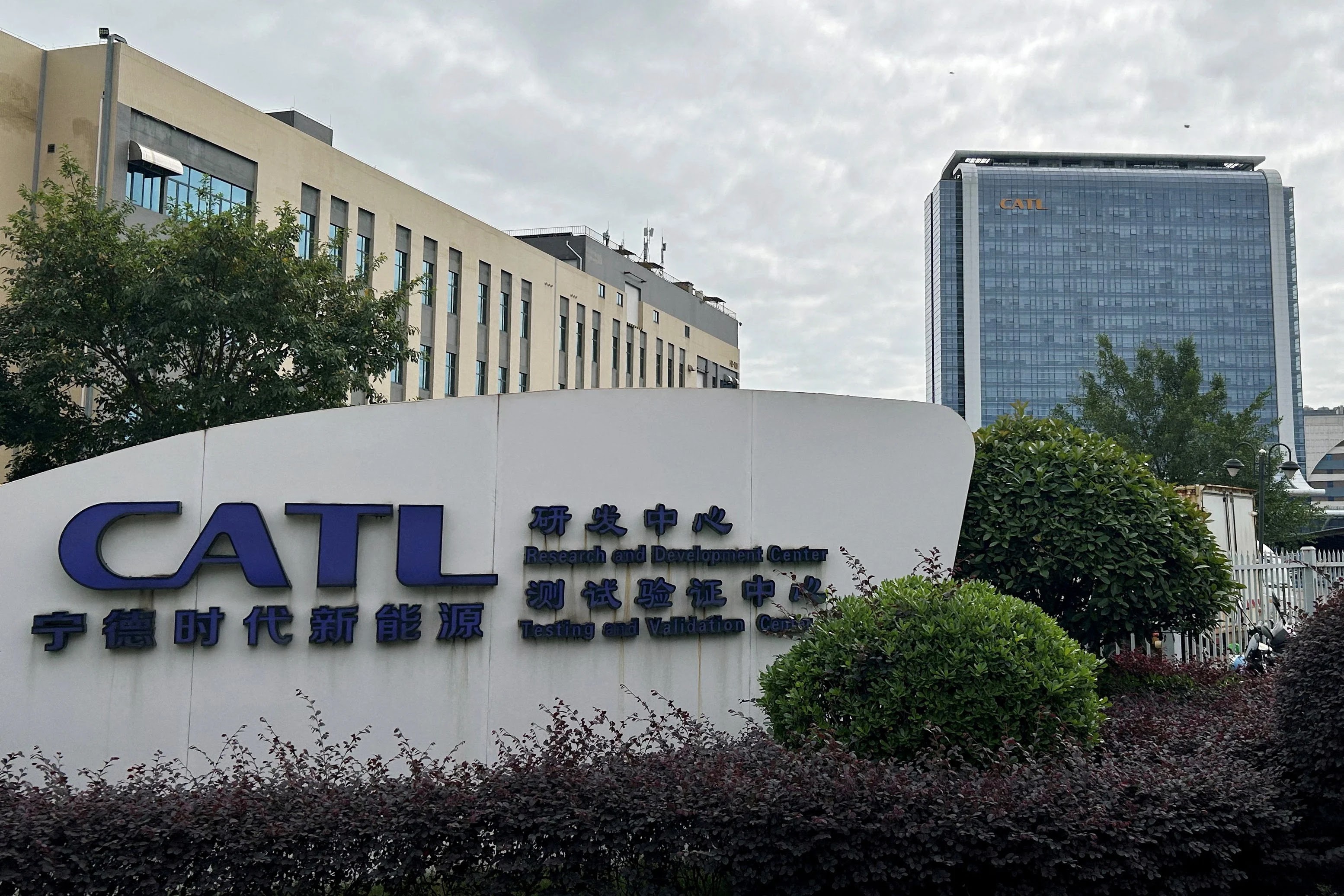
China’s top battery producer Contemporary Amperex Technology (CATL) recorded a 22% increase in battery sales in 2024, fueled by growing demand in electric vehicle and energy storage markets. The firm shipped 475GWh of lithium-ion batteries, up from 390GWh in 2023.

Growth in both EV and energy storage sectors

CATL’s 2024 shipments included 381GWh of power batteries, rising 19% year-over-year, and 93GWh of energy storage batteries, jumping 35%. These gains came amid a 27% rise in global EV-related battery consumption and a 63% surge in energy storage battery demand, according to company-cited data.

CATL’s total production capacity hit 676GWh last year, with an operational utilization rate of 76.3%. The company is constructing an additional 219GWh of capacity across sites in China, Europe, and Indonesia. Market analysts project CATL’s total capacity will reach 700–1,000GWh in 2025, potentially making it the first company to achieve TWh-scale battery output.

Global footprint and customer base widen

With 13 operating production bases, CATL is also expanding its joint ventures, including partnerships with Stellantis in North America and a vertically integrated project in Indonesia. It leads China’s battery market alongside BYD and CALB, which accounted for 25% and 7% of China’s power battery installations, respectively, compared to CATL’s 45%.

CATL supplies major auto manufacturers including BMW, Volkswagen, Toyota, Hyundai, and Chinese EV startups like NIO and Li Auto. Its energy storage clients include major global and Chinese power firms such as NextEra, Wartsila, State Power Investment Group, and PetroChina.

Despite higher volumes, CATL’s total revenue fell 9.7% to 362 billion yuan ($50 billion) in 2024. However, net profit rose 15% to 50.7 billion yuan, reflecting operational efficiency and high-margin product segments.

Zinc Prices Set to Drop in 2025 Due to Increased Supply and Weak Demand

No comments
McArthur River Mining

Zinc prices are expected to decline in 2025, as global supply improves and demand remains subdued in key consumption sectors, particularly in the construction and automotive industries. This shift comes after a strong price performance in 2024, driven by tight supply conditions and mining disruptions.

Price Performance in 2024

Zinc has been one of the standout performers on the London Metal Exchange (LME) in 2024, with prices hovering above $3,000 per ton in December, compared to $2,537 per ton in January. This 6% increase from the previous year can be largely attributed to supply disruptions at key mines. Notable interruptions included Glencore's McArthur River mine in Australia, which halted operations in March due to extreme rainfall, and MMG’s Dugald River mine in China, which was placed on care and maintenance during Q3.

The zinc market faced a 164,000-ton deficit in 2024, primarily due to reduced production from mines like Boliden's Tara mine in Ireland and Almina's Aljustrel mine in Portugal. However, supply conditions are expected to shift in 2025, leading to a bearish outlook for zinc prices.

Improved Supply Forecast for 2025

The International Lead and Zinc Study Group (ILZSG) forecasts a surplus of 148,000 tons in 2025 as new mines and production ramps up globally. One major development contributing to this surplus is the reopening of Ivanhoe Mines' Kipushi mine in the Democratic Republic of Congo, which is expected to produce 278,000 tons per year over its first five years. Kipushi will become Africa's largest zinc mine and the fourth-largest globally.

In addition, European production is expected to rise, with increased output from Bosnia and Herzegovina, Portugal, and the reopening of Tara operations in Ireland. Russia's zinc production is also set to grow, supported by the newly opened Ozerneoye plant. Other key regions, including Australia, Canada, China, Japan, the Netherlands, and Norway, are expected to see increased concentrate supply, especially in the first quarter of 2025. According to trading firm Macquarie, global mined supply is projected to grow by 5.8% in 2025, with around 570,000 tons of zinc in new project approvals.

Weak Demand Pressures Zinc Prices

While supply is set to increase, demand growth for zinc is expected to remain weak, especially in the construction and automotive sectors, which together account for a significant portion of global zinc consumption. Carbon steel demand has fallen in 2024, driven by weakness in the construction sector, particularly in China. European manufacturing also remains sluggish, with the automobile sector facing significant challenges. Volkswagen, for instance, has announced plans to close several plants and lay off thousands of employees in response to falling sales and weak demand for cars.

Macquarie predicts a modest 1.7% growth in global refined zinc demand in 2025, a revision down from the previously anticipated 2.5% growth rate. The uncertainty surrounding potential new U.S. tariffs under President-elect Donald Trump's administration adds another layer of risk, particularly regarding the strength of the U.S. dollar and global trade dynamics.

Zinc Price Outlook for 2025

Given the expected supply surplus and the persistent demand lag, analysts are generally bearish on zinc prices for 2025. The World Bank and Fitch Ratings expect zinc prices to average $2,600 per ton in 2025, with further declines to $2,500 per ton by 2026. Macquarie is similarly forecasting a drop to $2,650 per ton in 2025, followed by a decline to $2,450 per ton in 2026. These price drops reflect the anticipated market surplus and continued weak demand.

Conclusion

As zinc supply increases and demand struggles to pick up, the market is expected to experience price declines in 2025. The key factors driving this change include the reopening of major mines, such as Kipushi, and continued challenges in major zinc-consuming sectors like construction and automotive manufacturing. While supply-side factors are positive, weak demand and potential trade uncertainties are expected to put downward pressure on zinc prices in the years to come.

Scania Acquires Northvolt Battery System Division to Boost Off-Highway Electrification

No comments
Scania Acquires Northvolt Battery System Division to Boost Off-Highway Electrification
Scania

Scania Expands Battery Capabilities for Heavy-Duty Sectors

Scania, the commercial vehicle division of Volkswagen, has acquired the Industrial Division of Northvolt Systems to accelerate its electrification strategy. This division focuses on battery systems for heavy industries such as mining, construction, and material handling—key sectors in Scania’s future growth plan.

The acquisition includes production assets, an R&D center, and around 260 employees, all of which will support Scania’s Power Solutions division. With this move, Scania strengthens its capacity to offer electrified off-road solutions tailored to demanding industrial environments.

Northvolt to Maintain Industrial Operations Post-Deal

Despite the ownership shift, the Industrial Division will continue to operate independently under Northvolt Systems existing framework. This ensures minimal disruption to ongoing projects and partnerships across the battery supply chain.

While financial terms were not disclosed, the acquisition underlines Scania’s strategy to gain vertical integration in energy systems, particularly for sectors underserved by traditional EV platforms.

Strengthening Europe’s Battery Ecosystem

The deal also represents a broader consolidation trend in Europe’s battery manufacturing ecosystem, driven by increasing demand for localized, high-performance systems. With global supply chains tightening, OEMs like Scania are moving quickly to secure core technologies in-house.

The Metalnomist Commentary

Scania’s acquisition of Northvolt’s industrial battery unit marks a decisive step toward electrifying heavy industry. As global decarbonization pressures mount, OEMs must go beyond road transport—and Scania is doing just that.

BMW low-carbon EVs in Hungary anchor Neue Klasse manufacturing shift

No comments
BMW low-carbon EVs in Hungary anchor Neue Klasse manufacturing shift
BMW

BMW low-carbon EVs in Hungary will enter series production next month at the new Debrecen plant. The BMW low-carbon EVs in Hungary will start with the iX3 SUV, targeting 100,000 units a year on the Neue Klasse platform. As a result, BMW low-carbon EVs in Hungary will become the company’s flagship example of digital, highly automated and low-emissions manufacturing in Europe.

Neue Klasse platform and iFACTORY define BMW’s Hungarian strategy

BMW’s Neue Klasse platform underpins the group’s next generation of electric vehicles. The architecture will support up to 40 models by 2027. Therefore, launching BMW low-carbon EVs in Hungary on this platform gives Debrecen immediate strategic importance.

The Debrecen plant is BMW’s first site built fully around its iFACTORY concept. The model emphasises digital twins, virtual planning and on-site battery assembly. Meanwhile, the factory will run on renewable electricity, even for energy intensive steps such as painting. Hungary has pledged major grid upgrades around Debrecen, aiming to deliver the clean, stable power BMW needs.

However, BMW still expects each iX3 to generate 34kg of CO₂ equivalent at the site. This figure reflects scope 1 and 2 emissions and excludes supply chain emissions. It also remains above zero, raising questions about backup power and grid contingency. Ultimately, the true climate impact of BMW low-carbon EVs in Hungary will depend on Hungary’s long term power mix.

Automation, logistics and EV competition shape BMW’s next phase

Automation sits at the core of BMW’s Debrecen strategy. Nearly 1,000 robots will work alongside about 2,000 employees in the body shop. Autonomous trains and smart transport robots will manage internal logistics. Therefore, BMW aims to cut complexity while keeping labour focused on high value tasks.

The plant uses a “finger structure” layout adapted from BMW’s Leipzig site. This design allows roughly 80pc of parts to arrive directly at the correct assembly point. As a result, BMW expects fewer material handling steps and shorter takt times. However, the company has not yet detailed how many additional models Debrecen can support beyond the iX3.

The broader market context remains highly competitive. BMW’s battery EV sales rose 16pc year on year in the first half. Mercedes Benz recorded a 24pc drop, while Volkswagen Group delivered a 38pc global increase. Consequently, BMW low-carbon EVs in Hungary must combine cost efficiency, quality and sustainability to defend market share.

The Metalnomist Commentary

Debrecen shows how OEMs now bundle platform shifts, factory digitalisation and low-carbon branding into a single investment story. If Hungary can deliver truly clean, reliable power, BMW’s low-carbon EVs in Hungary could set a new regional benchmark for integrated battery and vehicle production. Market participants should watch realised energy use, uptime and model mix as early indicators of whether iFACTORY economics deliver as promised.

BMW to Invest R1.1 Billion in Brazil, Aiming to Launch New Models and Digital Innovations

No comments


BMW has announced a substantial investment of R1.1 billion (approximately $200 million) to enhance its manufacturing and technology capabilities in Brazil. This funding, set to roll out from 2025 to 2028, reflects BMW’s commitment to strengthening its foothold in the South American automotive market by producing new vehicle models and advancing digital technologies.

As part of the investment, BMW plans to manufacture a new, unnamed model at its Araquari plant in southern Brazil and will also begin production of its BMW X5 PHEV (plug-in hybrid electric vehicle) at the facility. This expansion underscores BMW’s broader strategic goal of supporting sustainable and digital transitions within its production processes.

A Growing Trend of Investment in Brazil's Auto Sector

BMW’s move follows significant investment announcements from other major automakers in Brazil this year, including General Motors, Volkswagen, and Hyundai. These investments signal a renewed focus on the South American market as automakers look to tap into rising demand while preparing for a shift toward electric and hybrid vehicle offerings.

With the automotive industry increasingly gravitating towards greener technology and digital innovation, BMW’s investment in Brazil aligns with its global ambitions to lead in both areas. This strategic injection is expected to boost Brazil’s automotive sector, creating new jobs and positioning the country as a central player in BMW’s production and innovation network.

Vulcan Energy Resources Starts Lithium Hydroxide Production at German Demonstration Plant

No comments
Vulcan Energy Resources

Lithium and geothermal group Vulcan Energy Resources has begun production of lithium hydroxide at its demonstration plant in Frankfurt, aiming for commercial production by 2027. This represents a two-year delay from its original timeline but positions Vulcan as a leader in carbon-neutral lithium extraction and processing.

From Pilot Production to Commercial Goals

Vulcan first started producing lithium chloride at its pilot extraction plant on April 8, 2024, and on December 21, initiated lithium hydroxide production using lithium chloride as feedstock. The demonstration plant has a capacity of 55 tonnes per year (t/yr), sufficient for regulatory compliance across at least three of the four required stages before commercial-scale operations commence.

The company plans to supply lithium hydroxide to key partners, including LG Energy Solutions, Umicore, Stellantis, Renault, and Volkswagen. As part of Phase 1 production, Vulcan aims to deliver 24,000 t/yr of lithium carbonate equivalent (LCE), enough for around 480,000 electric vehicles (EVs) annually, assuming an average EV battery capacity of 50kWh.

Low-Carbon Lithium Production with Geothermal Power

Vulcan employs direct lithium extraction (DLE) technology at its plant in the Upper Rhine Valley, achieving up to 95% efficiency — far higher than the 40-60% typical of traditional methods. By using geothermal brine to power extraction, the company eliminates fossil fuels from its processes, claiming the lowest carbon footprint in the global lithium production industry.

According to Cris Moreno, Vulcan’s CEO, the integrated upstream and downstream operations will produce lithium hydroxide without reliance on fossil fuels. "This allows us to provide affordable baseload heat and power, offering a sustainable and economically viable alternative," Moreno stated.

Challenges and Opportunities

Although Vulcan has twice delayed its commercial production schedule, its innovative approach to lithium extraction aligns with growing demand for sustainable materials in the EV market. Vulcan plans to create at least 1,300 direct and 1,500 indirect jobs upon reaching Phase 1 capacity.

However, the company has yet to complete a definitive feasibility study for Phase 2, which will further expand production and meet growing demand from global automakers and battery manufacturers.

Eurofer Downgrades 2024 Steel Consumption Forecast Amid Geopolitical Tensions and Market Challenges

No comments
Eurofer

The European steel industry faces ongoing turbulence as Eurofer, the European Steel Association, has downgraded its 2024 steel consumption forecast. Instead of the previously expected 1.4% recovery, Eurofer now predicts a 1.8% contraction in apparent steel consumption for the year. This revision follows a combination of escalating geopolitical tensions, rising energy costs, and the continuation of a downtrend observed in recent quarters.

Revised Forecasts and Industry Outlook

Eurofer has also adjusted its forecast for the output of steel-using sectors, now anticipating a decline of 2.7%, down from the previously expected 1.6%. Despite these declines, the forecast for 2024 is less severe compared to last year, when apparent steel consumption fell by 6%. Looking ahead to 2025, Eurofer projects a 3.8% recovery in apparent consumption and a 1.6% increase in output from steel-using sectors. However, this expected rebound comes after consecutive annual declines, indicating that it reflects more of a recovery from a period of stagnation rather than a genuine improvement in demand.

Sector-Specific Challenges

Several key sectors that typically drive steel demand in Europe are facing significant headwinds. The automotive industry, a major consumer of flat steel, is grappling with the aggressive pricing strategies of Chinese automakers, particularly in the electric vehicle (EV) sector. This competitive pressure has led Volkswagen, one of Europe’s largest car manufacturers, to announce the closure of at least three plants and lay off thousands of employees in Germany.

The challenges are not limited to the automotive sector. In the construction industry, a lack of investment, high production costs, and financing constraints are negatively impacting steel demand. Similarly, the white goods sector is also struggling with high production costs, which are expected to worsen once the carbon border adjustment mechanism (CBAM) comes into effect in 2026. While the CBAM will not fully cover downstream industries like white goods at first, its eventual extension is expected to raise steel prices within the EU, potentially affecting European white goods' competitiveness, particularly against imports from China.

Looking Ahead: Steel Consumption in 2025

Despite the setbacks in 2024, Eurofer remains cautiously optimistic about 2025, projecting a modest recovery. However, the road to recovery is complicated by external pressures, including geopolitical tensions and global market shifts. The full impact of the CBAM, combined with ongoing challenges in key industries like automotive and construction, will likely continue to shape the steel market in Europe over the coming years.

China Nickel Sulphate Market Holds Firm Amid Supply Tightness and Weak NCM Demand

No comments
China Nickel Sulphate Market Holds Firm Amid Supply Tightness and Weak NCM Demand
Nickel Sulphate

China nickel sulphate prices have remained stable for over a month due to constrained supply and sluggish demand from the NCM battery sector. Despite declining output and elevated feedstock costs, producers have resisted lowering prices to protect margins. The China nickel sulphate market is now facing a complex supply-demand imbalance shaped by both upstream disruptions and shifting downstream preferences.

Feedstock Supply Disruptions Tighten Production Margins

Nickel sulphate output in April dropped to 30,000 tonnes (nickel metal equivalent), down 13% month-on-month and 18% year-on-year. Cumulative output for January–April stood at 127,000 tonnes, 1.6% lower than the previous year, according to CNIA data. This production cut stems from limited availability of mixed hydroxide precipitate (MHP) and nickel matte, both critical inputs for sulphate production. Heavy rainfall in Morowali, Indonesia, disrupted MHP production in March and April, reducing output by 5,500 tonnes. At the same time, matte producers in China shifted to more profitable nickel pig iron (NPI), reducing matte availability. Consequently, the payable indicators for MHP and matte rose significantly, eroding margins and compelling some plants—like those in Guangxi—to convert from matte to MHP feedstock. These factors have kept the China nickel sulphate market tight despite weak demand.

NCM Battery Demand Shrinks as LFP Dominance Grows

While supply tightens, demand has faltered. NCM and NCA batteries, once dominant, have lost significant market share to lithium iron phosphate (LFP) chemistries. As of April, NCM batteries accounted for just 20% of China’s battery output, while NCA stood at 17%, down from a combined 65% in 2019. This shift has impacted upstream nickel demand, causing several international projects to stall. In recent months, Eramet and BASF withdrew from their Weda Bay refining JV, and Hanrui Cobalt cancelled its MHP investment in Indonesia. Meanwhile, automakers like Volkswagen are pivoting toward LFP technology to cut costs. Demand for NCM batteries is expected to remain weak through Q2 2024, with some exporters front-loading shipments earlier in the year due to global trade tensions. As a result, the China nickel sulphate market remains under pressure, with producers navigating tight margins amid uncertain downstream growth.

The Metalnomist Commentary

China’s nickel sulphate market exemplifies the structural turbulence within the EV battery supply chain. As feedstock constraints collide with weakening demand for NCM chemistries, producers must brace for lower growth visibility and rising volatility across Asia’s nickel value chain.

Samsung SDI Recalls High Voltage Batteries Over Fire Risk

No comments
Samsung SDI

Samsung SDI, a South Korean battery manufacturer, has initiated a recall of high voltage battery packs due to a potential fire risk. The recall, which could impact up to 180,196 vehicles, was issued in response to a safety concern identified by the National Highway Traffic Safety Administration (NHTSA).

Potential Fire Risk in High Voltage Batteries

The recall affects certain high voltage battery packs used in vehicles produced between July 2020 and March 2023, including models from Chrysler, Volkswagen, Audi, and Ford. The faulty battery packs may fail, resulting in a loss of drive power, which significantly increases the risk of a crash. Additionally, the failure could also raise the risk of a fire, posing a severe safety hazard.

Cause of the Recall and Affected Vehicles

Samsung SDI has attributed the issue to variability in its production process, which can cause micro defects in the cathode or create local stresses in the separator. These production flaws could contribute to the potential safety risks. Chrysler, under Stellantis, is most affected, with 155,096 vehicles impacted by this recall.

Initially, Samsung SDI attempted to address the risks with a software remedy, but further investigation revealed that the software solution may not fully address certain abnormal conditions. Samsung SDI acknowledged that a more effective solution is required, and the recall remains active until the issue is resolved.

Japan’s Domestic EV Sales Decline for 12th Consecutive Month in October

No comments
Japan’s EV

The electric vehicle (EV) market in Japan continued to face challenges in October, with domestic passenger EV sales falling for the 12th straight month. Data from the Automobile Dealers Association, Japan Light Motor Vehicle and Motorcycle Association, and Japan Automobile Importers Association (JAIA) revealed a significant 35.1% year-on-year drop, totaling just 4,325 units sold. Month-on-month, sales decreased by 32.7%.

Declining Market Share for Domestic Brands

Domestic EVs accounted for only 1.3% of Japan’s total passenger car sales in October, down from 2.0% in the same period last year. A key contributor to this decline was the sharp drop in sales of Nissan’s Sakura, one of the best-selling models among Japanese brands. Sakura sales plummeted by 51.6%, recording just 1,448 units.

Imported EVs Remain Resilient Amid Supply Constraints

While foreign-brand EV sales also declined, the drop was less pronounced at 4% year-on-year, with 1,900 units sold in October. Volkswagen, one of the leading foreign brands, faced supply shortages that contributed to the downturn. However, imported EVs accounted for approximately 44% of Japan’s total EV sales, reflecting sustained demand for international models in the domestic market.

Toyota Revises Global EV Sales Outlook

Amid this downward trend, Toyota, Japan’s largest automaker, revised its global EV sales forecast on November 6. The company now expects to sell 160,000 EV units by the fiscal year ending March 31, 2025—a reduction of 11,000 units from its initial projection in May. This revision reflects broader challenges faced by Japanese automakers in the increasingly competitive EV market.

As Japan grapples with declining EV sales and shifting consumer preferences, the automotive industry faces mounting pressure to adapt and innovate.

UK BEV Sales Surge in September, But Industry Pushes for More Government Incentives

No comments
UK BEV

The UK automotive industry reached a significant milestone last month with record-breaking sales of battery electric vehicles (BEVs), which climbed to 56,387 units, marking a new high for September. Despite this promising uptick, car manufacturers are urging the government to extend consumer incentives to support the continued growth of electric vehicle sales, according to the latest report from the Society of Motor Manufacturers and Traders (SMMT).

While fleet sales of BEVs saw a modest increase of 3.7% last month and a more significant 16.3% rise year-to-date, private sales painted a different picture. Private BEV sales dipped by 1.8% in September, contributing to a 9.4% drop year-to-date. Overall, UK car sales edged up 1% last month, with total sales for the year reflecting a 4.3% increase.

SMMT chief executive Mike Hawes commented on the record BEV sales but warned that "the market is not growing quickly enough to meet mandated targets." Although BEVs claimed 20.5% of market share in September, the year-to-date share remains at 17.8%, falling short of the UK government's mandated target of 22% for 2024. Some market analysts speculate that BEV sales will likely accelerate toward the end of the year as automakers seek to avoid penalties for failing to meet these targets.

Carmakers Urge Government Support

Car manufacturers have made substantial investments in reducing the cost of BEVs, but many believe that further government support is necessary to help bridge the gap. On October 4, the SMMT, in collaboration with 12 major carmakers including Volkswagen, BMW, and Ford, sent an open letter to the Chancellor of the Exchequer, urging the government to consider new measures to incentivize BEV purchases and improve charging infrastructure.

The letter proposed several initiatives, such as temporarily halving value-added tax (VAT) on new EV purchases, scrapping the value excise duty supplement for BEVs, and lowering the public charging VAT rate to 5%—the same rate applied to private households. The SMMT also called for the extension of business incentives, including the Benefit in Kind (BiK) rate for electric vehicles, which is set to gradually rise from its current 2% to 5% by 2027-28. In comparison, diesel and petrol vehicles hold BiK rates of 25% or higher.

Additionally, the UK's plug-in van grant offers a 35% discount—up to £5,000 off the price of new electric vans weighing up to 3.5 tons, and up to £2,500 for vans under 2.5 tons. However, these grants have been reduced since 2021, when savings were as high as £6,000 and £3,000 respectively. The government has confirmed that the current grants will remain in place until the end of the 2024-25 financial year, but automakers argue that further incentives are needed to ensure sustained momentum in the transition to electric vehicles.

Tight Supply: The Key Driver in Europe's Aluminium Market

No comments

European aluminium markets remain sluggish, showing little recovery from the typical summer slowdown. With demand in key sectors like automotive and construction failing to rebound, trading activity has yet to pick up, leaving traders and distributors with limited sales opportunities. Despite this, premiums held steady throughout September, driven primarily by the tight supply rather than demand fluctuations, a trend that has persisted since early 2023.

A key factor behind the limited supply has been a series of production cuts across Europe over the past two years. Additionally, Russian aluminium has been largely absent from the market due to both official sanctions from countries like the UK and the US, and self-sanctioning by consumers. This has compounded the strain on availability, as China has aggressively increased its imports from international suppliers, further squeezing European access to aluminium.

Although premiums initially edged back to a range of $320-340/t earlier in the summer, they have since remained stable, flatlining between $320-430/t throughout June, July, and August, even as demand declined. Many expected that autumn would bring an uptick in demand, particularly from the automotive sector, but no such recovery has occurred. Germany, Europe’s largest economy, has been particularly affected, with its industrial production showing significant declines, especially in the construction sector, which has struggled throughout the decade. The automotive sector, led by giants like Volkswagen, has also suffered, with discussions of factory closures further dimming the outlook.

One market analyst noted, "There has been no bounce-back from the end of the summer. Stockists and distributors still have empty inboxes, which is very unusual for this time of year." Demand in both the automotive and construction sectors remains weak, yet premiums have not moved, reflecting the continued tightness in supply. China’s increasing aluminium imports, spurred by its near-cap on domestic production and energy efficiency mandates, have further limited supply in Europe.

Moreover, tightness in the alumina market, the primary input for aluminium production, has added additional pressure. A significant production drop from key supplier Rio Tinto, alongside high freight costs and limited exports from regions like the Middle East and India, have all contributed to the constrained supply environment. With demand expected to remain muted well into 2025, the European aluminium market seems likely to stay tight, making any small uptick in demand a potential trigger for premium increases.