Showing posts sorted by relevance for query REE. Sort by date Show all posts

Dateline Colosseum REE Program Launches to Explore Critical Mineral Potential in California

No comments
Dateline Colosseum REE Program Launches to Explore Critical Mineral Potential in California
Dateline Resources

Strategic REE Fieldwork Begins Near Mountain Pass Mine

Dateline Resources has launched the Dateline Colosseum REE program, targeting rare earth element (REE) potential at its Colosseum Gold-REE Project in California. Located just 10km from the Mountain Pass Mine—the only active REE operation in the U.S.—the site shares similar geology, raising expectations for a significant discovery. This program strengthens Dateline’s entry into the critical minerals exploration space at a time of rising geopolitical focus on domestic REE supply.

Federal Approval Clears Path for Rare Earth and Gold Exploration

The U.S. Department of the Interior approved Dateline’s right to continue work under its existing Plan of Operations. This allows the company to move forward with gold mining and REE exploration activities. The Dateline Colosseum REE program will focus on mapping mantle-derived rocks and carbonatite-associated formations, which are key indicators of REE mineralization worldwide.

Geological Indicators Align with High-Potential REE Targets

Dateline has begun identifying the source of mantle-derived carbonatites—a primary geological host of rare earth elements. The Colosseum project's proximity to Mountain Pass adds further confidence in the region's potential. As the U.S. seeks to reduce its reliance on foreign REE sources, exploration programs like Dateline’s could play a vital role in future supply chain resilience.

The Metalnomist Commentary

The Dateline Colosseum REE program positions California as a potential REE cluster hub alongside Mountain Pass. As national interest in domestic critical minerals intensifies, Dateline’s exploration efforts could contribute meaningfully to North American REE self-sufficiency.

Ucore Metallium REE supply partnership advances US rare earth refining

No comments
Ucore Metallium REE supply partnership advances US rare earth refining
Ucore Rare Metals

The Ucore Metallium REE supply partnership aims to anchor feedstock for a new US rare earth refinery. The Ucore Metallium REE supply partnership focuses on supplying Ucore’s planned Alexandria, Louisiana facility with reliable REE concentrates. As a result, the Ucore Metallium REE supply partnership strengthens North American efforts to build a non-Chinese rare earth value chain.

Ucore Metallium REE supply partnership targets flexible feedstock and new technology

The partnership will develop a modular US refining solution for varied rare earth feedstocks. Ucore and Metallium plan to process conventional concentrates and alternative materials such as magnet scrap and industrial waste. Therefore, the refinery should produce separated rare earth oxides from both primary and recycled sources.

Metallium contributes both exploration assets and metal recovery technology development. Its portfolio in Western Australia and Quebec is prospective for niobium, rare earths and gold. Meanwhile, Metallium holds exclusive rights to Flash Joule Heating technology from Rice University. Ucore intends to integrate this technology into its refining flowsheet to lower energy use and improve recoveries.

This technology driven approach supports higher-margin, lower-footprint REE separation. It also positions the refinery to handle evolving waste streams from magnets and other advanced materials. Over time, this flexibility could become a key differentiator in a crowded rare earth processing market.

Alexandria refinery funding and upstream REE supply building

The Alexandria refinery already has important policy and upstream backing. In May, Ucore secured an $18.4mn funding agreement from the US Department of Defense. This support underlines the strategic importance of domestic rare earth processing for defence and advanced manufacturing.

In August, Ucore signed a non-binding letter with Critical Metals for long term concentrate offtake. The agreement covers 10,000 metric tonnes per year of rare earth concentrate. Together with the Ucore Metallium REE supply partnership, this gives Ucore multiple feedstock options. Therefore, the company reduces its dependence on any single mine or jurisdiction.

As the refinery advances, Ucore will need to demonstrate technical performance and commercial scale. However, the mix of DoD funding, multiple feedstock partners and novel processing technology offers a strong platform. It also aligns with broader US and allied policies to diversify rare earth supply chains away from China.

The Metalnomist Commentary

Ucore’s collaboration with Metallium shows how processing innovation and flexible feedstock strategies now sit at the heart of rare earth security. Flash Joule Heating plus magnet scrap recovery could help bridge the gap between limited Western mines and rising oxide demand. Market participants should watch pilot performance at Alexandria and how quickly Ucore converts non-binding offtakes into bankable contracts.

Locksley REE and antimony exploration expands near Mountain Pass in Mojave

No comments
Locksley REE and antimony exploration expands near Mountain Pass in Mojave
Locksley Resources

Locksley REE and antimony exploration is accelerating in California’s Mojave Desert near Mountain Pass. The Locksley REE and antimony exploration program now covers more than 40km², directly adjacent to North America’s only rare earths mine. As a result, Locksley REE and antimony exploration gives investors leveraged exposure to a strategic US critical minerals district.

High-grade REE target beside Mountain Pass

Locksley’s Mojave Project anchors its rare earth strategy through the El Campo prospect. El Campo sits just 1.4km from MP Materials’ Mountain Pass operation, highlighting strong geological potential. Early work has returned grades up to 12.1pc total rare earth oxides and 3.2pc neodymium-praseodymium.

The El Campo site is already fully permitted, which reduces early-stage timeline risk for the company. Therefore, Locksley can move quickly from surface mapping into subsurface testing. Drilling is scheduled for the third quarter of this year to test depth continuity and tonnage potential. Success could position El Campo as a satellite or complementary rare earth source within the broader Mountain Pass district.

Locksley has also identified a historical shaft during recent surface mapping at Mojave. The shaft, estimated to exceed 15m, is now undergoing detailed evaluation. This work may reveal previously undocumented underground workings or mineralised zones that could guide future drill targeting.

Desert Antimony targets domestic US antimony revival

The Desert Antimony prospect gives the Mojave Project a second critical minerals pillar. It builds on a historic antimony mine with extensive surface mineralisation. Recent assays show grades reaching 46pc antimony in outcropping quartz-calcite-stibnite veins. Such grades are highly significant for a strategic metal with constrained Western supply.

Locksley is advancing drilling and permitting at Desert Antimony to support potential domestic antimony revival. Antimony is essential for flame retardants, alloys and some defence applications, making US supply diversification a policy priority. Meanwhile, combining REEs and antimony within one project portfolio increases strategic relevance for potential partners.

By consolidating ground around these prospects, Locksley strengthens its position in a heavily scrutinised critical minerals corridor. The enlarged land package also improves the chances of discovering additional REE or antimony targets. Over time, this could support a district-scale development concept rather than isolated deposits.

The Metalnomist Commentary

Locksley’s move in the Mojave shows how juniors can leverage location next to established assets to accelerate critical minerals stories. The combination of high-grade REE results near Mountain Pass and very strong antimony assays creates genuine strategic optionality. Market participants should watch upcoming drill results and any early interest from larger REE or defence-linked groups as key tests of project quality.

Axel REE Brazil Rare Earth Deal Advances Magnet Supply Chain in Southern Hemisphere

No comments
Axel REE signs landmark rare earth deal with Minas Gerais
Axel REE

Axel REE signs landmark rare earth deal with Minas Gerais

Axel REE has signed a collaboration deal with the Brazilian state of Minas Gerais to support rare earth magnet development. The deal centers on LabFab ITR, the only rare earth magnet laboratory in the Southern Hemisphere. Axel will supply the lab with materials and gain access to research programs and magnet manufacturing pilot tests.
As a result, the partnership marks a significant step toward regional self-sufficiency in rare earth technologies.

In addition, Minas Gerais will assist Axel REE with permitting, development support, and engagement with government agencies. The state has committed to backing all exploration and operational stages across Axel’s local project portfolio.

Gallium and lithium also part of exploration focus

Axel REE holds two projects in Minas Gerais — Caladão and Caldas — with Caladão nearing final exploration. Caladão contains one of the world’s highest-grade gallium reserves, while Caldas remains in early discovery stages. These assets position Axel to benefit from both energy transition and semiconductor material demand. 

The agreements signed are non-binding but align with Brazil’s strategy to elevate its role in global critical minerals. Meanwhile, Axel’s positioning in gallium and lithium adds strategic depth beyond rare earths.

The Metalnomist Commentary

This rare earth magnet deal marks a shift in global REE value chains. Axel REE’s entry into Brazil could reduce reliance on China and diversify supply for magnet and gallium materials. If successful, LabFab ITR may emerge as a critical hub for rare earth innovation in the southern hemisphere.

Cyclic Materials Invests $20mn in REE Recycling Facility

No comments
Cyclic Materials Invests $20mn in REE Recycling Facility
Cyclic Materials

Canada-based recycler expands rare earth recovery efforts with new Arizona plant to boost North American REE supply chain

Building a U.S. Rare Earth Recycling Hub

Cyclic Materials has committed $20mn to a new REE recycling facility in Mesa, Arizona. The investment marks a pivotal step in scaling rare earth element (REE) recovery from end-of-life components. The new plant will target waste streams from vehicles, electronics, and industrial devices. It will help process 155,000 metric tonnes annually across the U.S. Southwest.

Rare Earth Supply Chain Independence

The Mesa facility reinforces the company’s REE recycling strategy. Cyclic Materials aims to reduce reliance on foreign rare earth supplies, especially from China. CEO Ahmad Ghahreman emphasized the importance of circular supply chains for stable and sustainable access to critical materials. The company recovers REEs from EV motors, MRI equipment, wind turbines, and data centers.

Strategic Partnerships and Market Outlook

Cyclic Materials collaborates with major players like Solvay, Vattenfall, Synetiq, and Vacuumschmelze. These partnerships enhance its ability to extract permanent magnets from complex components. As a result, the project supports the U.S. ambition to localize clean tech materials and reduce REE import dependency.

The Metalnomist Commentary

Cyclic Materials’ $20mn investment signifies a long-term bet on REE recycling amid rising global demand for magnets used in EVs and wind energy. With strategic partnerships and domestic processing, this move strengthens North America's critical minerals security while aligning with decarbonization and supply chain goals.

Aclara REE Separation Pilot Plant Advances US Heavy Rare Earth Supply Chain

No comments
Aclara REE Separation Pilot Plant Advances US Heavy Rare Earth Supply Chain
Aclara REE

Aclara REE separation pilot plant commissioning in Virginia marks an important step toward building a non-China rare earth processing route for heavy and light rare earth oxides. Chilean rare earths producer Aclara Resources has opened the pilot facility in Blacksburg as part of its strategy to create a vertically integrated rare earth supply chain.

The plant will process mixed rare earth carbonates sourced from Aclara’s ionic clay deposits in Brazil and Chile. This gives the company a route to connect South American rare earth resources with US-based separation technology and future downstream supply.

The Aclara REE separation pilot plant is designed to produce separated dysprosium, terbium, and neodymium-praseodymium. First light rare earth oxide output is scheduled for May 2026, while heavy rare earth oxide output is expected in August 2026.

Virginia Pilot Plant Targets Critical Magnet Materials

The Virginia facility matters because rare earth separation remains one of the most difficult and strategically sensitive parts of the supply chain. Mining or producing mixed carbonate is only the first step; the real value is created when individual rare earth oxides are separated to commercial specification.

Dysprosium and terbium are especially important because they are used to improve high-performance permanent magnets. These magnets support electric vehicles, wind turbines, robotics, defense systems, and advanced industrial equipment.

Neodymium-praseodymium is also central to magnet production. By targeting both light and heavy rare earth oxides, Aclara is positioning the pilot plant as a technical bridge between upstream ionic clay resources and downstream magnet material demand.

Louisiana Facility Could Scale Aclara’s US Processing Strategy

The Aclara REE separation pilot plant will support engineering, ramp-up, and process optimization for the company’s planned commercial separation facility in Louisiana. That project requires capital investment of $277 million and is scheduled to begin operations by mid-2028.

The collaboration with Virginia Tech and Argonne National Laboratory strengthens the technical base behind the project. It also aligns Aclara with US efforts to build domestic rare earth processing capacity for materials that remain heavily exposed to China-controlled supply chains.

For the market, the key question is whether Aclara can move from pilot output to reliable commercial-scale separation. If successful, the Louisiana facility could become a meaningful new processing node for dysprosium, terbium, and neodymium-praseodymium outside Asia.

The Metalnomist Commentary

Aclara’s Virginia pilot plant shows that rare earth supply security depends on separation technology, not only resource ownership. The company’s model also highlights a practical route for linking Latin American deposits with US processing capacity and strategic magnet demand.

Integral Advances Rare Earth Projects in North America

No comments
Integral Advances Rare Earth Projects in North America
Integral Metals

Woods Creek and Burntwood Projects Target Key REEs

Integral Metals, a Canadian critical minerals explorer, is accelerating rare earth element (REE) development in Montana and Manitoba. The company aims to support a self-reliant North American REE supply chain amid tightening Chinese export controls.

The Woods Creek project in Montana has yielded samples rich in neodymium and praseodymium, essential for permanent magnets. Meanwhile, the Burntwood property in Manitoba shows signs of carbonatite-hosted mineralization with syenite intrusions, indicating both light and heavy REE potential.

Supply Chain Strategy Amid Chinese Export Controls

Integral's efforts align with growing geopolitical urgency to diversify away from China, which dominates global REE exports. In 2024, China imposed restrictions on the export of seven REEs, including samarium, dysprosium, and scandium.

In response, Integral is focusing on domestic exploration to ensure secure and resilient REE access for future clean tech and defense demand. CEO Paul Sparkes emphasized that these projects can help “reduce North America’s reliance on foreign sources.”

The company continues to evaluate mineralization, geological data, and infrastructure requirements to advance both sites toward production-readiness.

The Metalnomist Commentary

Integral Metals joins a rising cohort of junior miners seeking to rebalance global rare earth supply. If proven viable, these projects could contribute to reshoring REE value chains in North America, though long timelines and permitting challenges remain.

Ucore–Critical Metals REE Offtake Deal Signals North American Processing Push

No comments
Ucore–Critical Metals REE Offtake Deal Signals North American Processing Push
Ucore

Ucore–Critical Metals REE offtake deal secures Greenland feedstock for Ucore’s US processing plans. The Ucore–Critical Metals REE offtake deal covers 10,000t/yr of rare earth concentrate. The Ucore–Critical Metals REE offtake deal runs for ten years and targets US magnet supply chains.

Long-term feedstock from Greenland to Louisiana

Ucore will receive 10,000t/yr of REE concentrate from Tanbreez. That equals about 10% of Tanbreez’s initial output. The non-binding LOI sets a ten-year term. Ucore plans conversion at its Strategic Metals Complex in Alexandria, Louisiana. The complex will produce separated rare earth oxides from mixed carbonates. Initial volumes will run through Ucore’s commercial demo facility in Kingston, Ontario. This staged ramp reduces technical and logistics risk.

Financing, permitting, and industrial context

The Louisiana plant broke ground in May with federal and state backing. US DoD funding totals $18.4mn. Additional state support underpins site development. The agreement diversifies feedstock away from China-centric processing. Therefore, the deal aligns with US critical minerals policy. It also advances a North American heavy and light rare earth pathway. Timing still depends on Tanbreez’s execution and shipping cadence.

Ucore positions the complex as a mid-stream anchor. Meanwhile, OEMs seek reliable NdPr, Dy, and Tb oxide supply. Consistent feed should strengthen offtake terms downstream. As a result, magnet makers may gain qualification optionality in North America.

The Metalnomist Commentary

This LOI is strategically important, even if non-binding today. Watch for binding conversion, shipping schedules, and oxide qualification milestones. Execution at Tanbreez and Alexandria will determine real market impact.

Cyclic US REE Recycling Expansion Deepens North American Magnet Supply Ambitions

No comments
Cyclic US REE Recycling Expansion Deepens North American Magnet Supply Ambitions
Cyclic

Cyclic US REE recycling expansion is accelerating as the company moves to build a second US facility in South Carolina. The new McBee site will process 600 metric tonnes per year of mixed rare-earth oxides, with expansion planned to 1,800 t/yr. Operations are expected to begin in 2028. As a result, Cyclic US REE recycling expansion is becoming a more serious part of the North American magnet supply chain.

This project matters because rare earth recycling is moving from pilot scale toward industrial relevance. Cyclic is investing more than $82mn in the McBee facility. The company is also building on a larger spoke-hub strategy rather than a single isolated plant. Therefore, Cyclic US REE recycling expansion reflects a broader effort to localize critical rare earth processing in North America.

The location also adds strategic value. McBee sits close to Vacuumschmelze’s magnet manufacturing site in Sumter, South Carolina. Cyclic already has a 10-year exclusive agreement with VAC to recycle magnet production byproducts. Consequently, the new plant links recycling capacity directly to downstream magnet manufacturing demand.

North American Rare Earth Recycling Is Moving Toward Industrial Scale

North American rare earth recycling is gaining more industrial depth through this investment. Cyclic said the McBee facility will operate as a combined spoke-and-hub. It will also become the company’s largest hub to date. That means the project is designed for system scale, not just regional collection.

The company is also supporting this buildout with stronger capital backing. Cyclic recently closed a $75mn equity funding round, bringing total equity funding above $162mn. That financial support gives the company more room to scale processing infrastructure. As a result, North American rare earth recycling is attracting more serious investor confidence.

The broader network already shows how this model is developing. Cyclic operates its first hub in Ontario and has invested in a large Arizona facility for end-of-life rare-earth permanent magnets. These sites support a cross-border recycling chain rather than a single-country model. Therefore, the company is positioning itself as a multi-node recycler in a strategically sensitive market.

Magnet Recycling Supply Chain Gains a Stronger US Processing Base

The magnet recycling supply chain stands to benefit most from the McBee project. The facility will process mixed rare-earth oxides, which are critical intermediate materials in the rare earth value chain. Stronger domestic processing capacity can reduce dependence on longer and more fragile overseas routes. Consequently, the new site could improve both resilience and lead times.

The VAC relationship makes that especially important. Recycling magnet production byproducts creates a more closed-loop industrial model. That can improve feedstock security while supporting lower-waste manufacturing. Meanwhile, it gives Cyclic a direct commercial pathway rather than relying only on spot material flows.

The international dimension also remains important. Cyclic already has an agreement to supply Solvay’s La Rochelle plant for further separation and purification from its Ontario hub output. That means the company is building a chain that connects North American recycling with allied refining capacity. Therefore, Cyclic US REE recycling expansion supports both regional resilience and transatlantic processing cooperation.

The Metalnomist Commentary

This project matters because rare earth strategy now depends as much on recycling systems as on mining. Cyclic is building a supply chain model that connects scrap, oxides, and magnets more directly. If McBee ramps successfully, it could become a meaningful benchmark for western rare earth circularity.

Brazil Parnaiba basin rare earths discovery highlights Piaui REE, phosphate, and uranium potential

No comments
Brazil Parnaiba basin rare earths discovery highlights Piaui REE, phosphate, and uranium potential
Brazil, SGB

Brazil Parnaiba basin rare earths discovery signals a new resource story in Piaui. The Brazil Parnaiba basin rare earths discovery points to near-surface mineralization that could lower exploration risk. As a result, investors will watch how quickly Brazil converts assays into defined resources.

Brazil’s Geological Service SGB reported high concentrations of rare earth elements, phosphate, and uranium in the Parnaiba basin. The work focused on the basin’s eastern area in northeastern Piaui state. Meanwhile, the combination of REE and phosphate adds strategic value for industrial supply chains.

Why heavy rare earths matter for magnets and defense supply chains

Heavy rare earths drive performance in high-temperature permanent magnets. Dysprosium improves heat resistance in electric motors and wind turbines. Therefore, any new heavy REE corridor matters for energy transition and defense procurement.

SGB’s chemical work indicates heavy rare earths including dysprosium, erbium, ytterbium, and yttrium. The reported range reaches 259ppm to 2,188ppm in the eastern basin. Meanwhile, the near-surface setting can support faster follow-up drilling and metallurgical testing.

Phosphate and uranium co-occurrence changes the project economics

Phosphate supports fertilizers and food security strategies. The Parnaiba basin also shows phosphate assays up to 260,200ppm. As a result, developers may evaluate integrated flowsheets and multi-product revenue potential.

Uranium also appears in near-surface assays up to 1,268ppm. However, uranium adds regulatory complexity and licensing time. Therefore, project design must balance by-product value with permitting discipline and community engagement.

The next step is turning geochemical anomalies into compliant mineral resources. Developers must prove continuity, tonnage, and recovery rates. Meanwhile, Brazil can position Piaui as a new node in critical minerals diversification.

The Metalnomist Commentary

This looks like a high-upside discovery because it combines heavy REE with phosphate in accessible geology. However, real value depends on metallurgy, separations, and permitting speed. The best outcome is a phased plan that de-risks uranium early.

Critical Metals May Secure $120mn for Greenland REE Project

No comments
Critical Metals May Secure $120mn for Greenland REE Project
US Critical Metals

Financing Support for Greenland Rare Earth Development

Critical Metals has received a letter of interest from the US Export-Import Bank for up to $120mn in financing for its Tanbreez rare earth elements (REE) project in Greenland. The potential funding would cover feasibility studies, pre-production activities, and early mining operations. Repayment terms under consideration span 15 years, according to the company’s announcement.

The Tanbreez project requires an estimated $290mn in capital expenditure to reach initial commercial production, with capacity projected at 85,000 tonnes per year of rare earth material. Critical Metals plans to finalize a definitive feasibility study by the end of 2025, which will provide greater clarity on production volumes and timelines.

Strategic Expansion and Ownership Growth

Critical Metals aims to expand its stake in Tanbreez and diversify its portfolio with additional investments. In 2025, the company will invest $10mn in exploration to secure an option for an additional 50.5pc ownership, which would raise its total stake to 92.5pc. The project benefits from year-round access to North Atlantic shipping lanes through deep-water fjords in southern Greenland, a logistical advantage that supports export efficiency.

Beyond Greenland, Critical Metals also owns the Wolfsberg Lithium Project in Austria, which is scheduled to begin production between 2026 and 2027. This dual focus on rare earths and lithium highlights the firm’s role in supplying critical minerals for both energy transition and advanced manufacturing industries.

The Metalnomist Commentary

Critical Metals’ Greenland REE project underscores the strategic importance of diversifying global supply chains away from China’s dominance in rare earths. With U.S. financing support under consideration, the Tanbreez project could emerge as a cornerstone for Western REE supply security. If successfully developed, the combination of Greenland’s rare earths and Austria’s lithium positions Critical Metals as a significant player in the global critical minerals landscape.

USA Rare Earth to build REE plant in France alongside Caremag feedstock hub

No comments
USA Rare Earth to build REE plant in France alongside Caremag feedstock hub
LCM

USA Rare Earth to build REE plant in France as Europe accelerates rare earth localisation. USA Rare Earth to build REE plant in France with a 3,750 t/yr rare earth metal and alloy facility in Lacq. Therefore, the project links oxide production and downstream alloying in one industrial cluster.

USA Rare Earth to build REE plant in France through its Less Common Metals Europe subsidiary. The site will sit next to Carester’s 1,600 t/yr Caremag rare earth oxide facility. Meanwhile, Caremag targets commissioning in late 2026, which can anchor early material qualification.

France will support the investment through its green industry investment tax credit, known as C31V. The scheme can cover up to 45% of eligible equipment and up to €130mn for real estate. As a result, the policy reduces capital risk for processing assets that often struggle with long payback cycles.

Lacq cluster ties recycled magnets to European alloy output

Co-location matters because rare earth supply chains fail at handoffs, not only at mines. Pairing an oxide plant with an alloy facility can shorten qualification loops for magnets. Therefore, buyers can test chemistry, traceability, and performance with fewer logistics breaks.

Caremag will produce rare earth oxides from recycled permanent magnets and heavy rare earth concentrates. It is designed to process 2,000 t/yr of magnets and 5,000 t/yr of concentrates. Meanwhile, planned output includes 800 t/yr of neodymium-praseodymium and 590 t/yr of dysprosium and terbium.

The strategic logic is de-risking, not just capacity building

USAR’s move builds on its September 2025 acquisition of Less Common Metals for $125mn. That deal also supports USAR’s plan to build a 5,000 t/yr magnet plant in the US. However, the France facility focuses on metals and alloys, which are critical midstream steps before magnet manufacturing.

Europe’s industrial policy increasingly rewards projects that convert feedstock into usable materials for energy transition hardware. C31V explicitly backs batteries, solar, wind, heat pumps, and the critical raw materials behind them. Therefore, Lacq positions itself as a credible node for OEM sourcing and compliance reporting.

The Metalnomist Commentary

This project looks like supply-chain choreography, not a standalone plant announcement. However, success will depend on qualification speed and stable oxide availability from Caremag. If both ramp as planned, Europe gains a tighter path from scrap to alloy-ready material.

Aclara Produces First REE Concentrate in Brazil with Circular Mining Technology

No comments
Aclara Produces First REE Concentrate in Brazil with Circular Mining Technology
Aclara Resources

Pilot Plant Targets Heavy Rare Earth Output Through August

Aclara Resources has produced its first rare earth elements (REE) concentrate at a pilot plant in Brazil, marking a key milestone in its integrated mining-to-magnet strategy. In May, the facility processed 14 metric tonnes (t) of ionic clay, yielding concentrates containing dysprosium (Dy) and terbium (Tb). Operations will continue through August, with up to 200t of clays expected to generate approximately 150kg of heavy REE concentrates.

Sustainable Mining and Global Expansion Plans

The Brazilian pilot plant uses Aclara’s proprietary Circular Mineral Harvesting technology, which removes the need for tailings dams and reduces environmental impact. This facility is part of a broader strategy encompassing the Carina Project in Goias, Brazil, and the Penco Module in Chile’s Biobio Region. Aclara also plans to establish a rare earth separation facility in the US. The Carina Project aims to produce 4,736t/yr of total rare earth oxides, including 191t of DyTb, with commercial operations targeted for 2028.

The Metalnomist Commentary

Aclara’s move to pilot REE production in Brazil positions it as a competitive player in the heavy rare earth market. Its low-impact extraction method addresses growing environmental concerns, while its integrated supply chain strategy could help secure critical minerals for the global magnet industry. The success of the Carina Project will be pivotal in determining its long-term market influence.

LKAB Begins Construction of Swedish REE Processing Demo Plant

No comments
LKAB

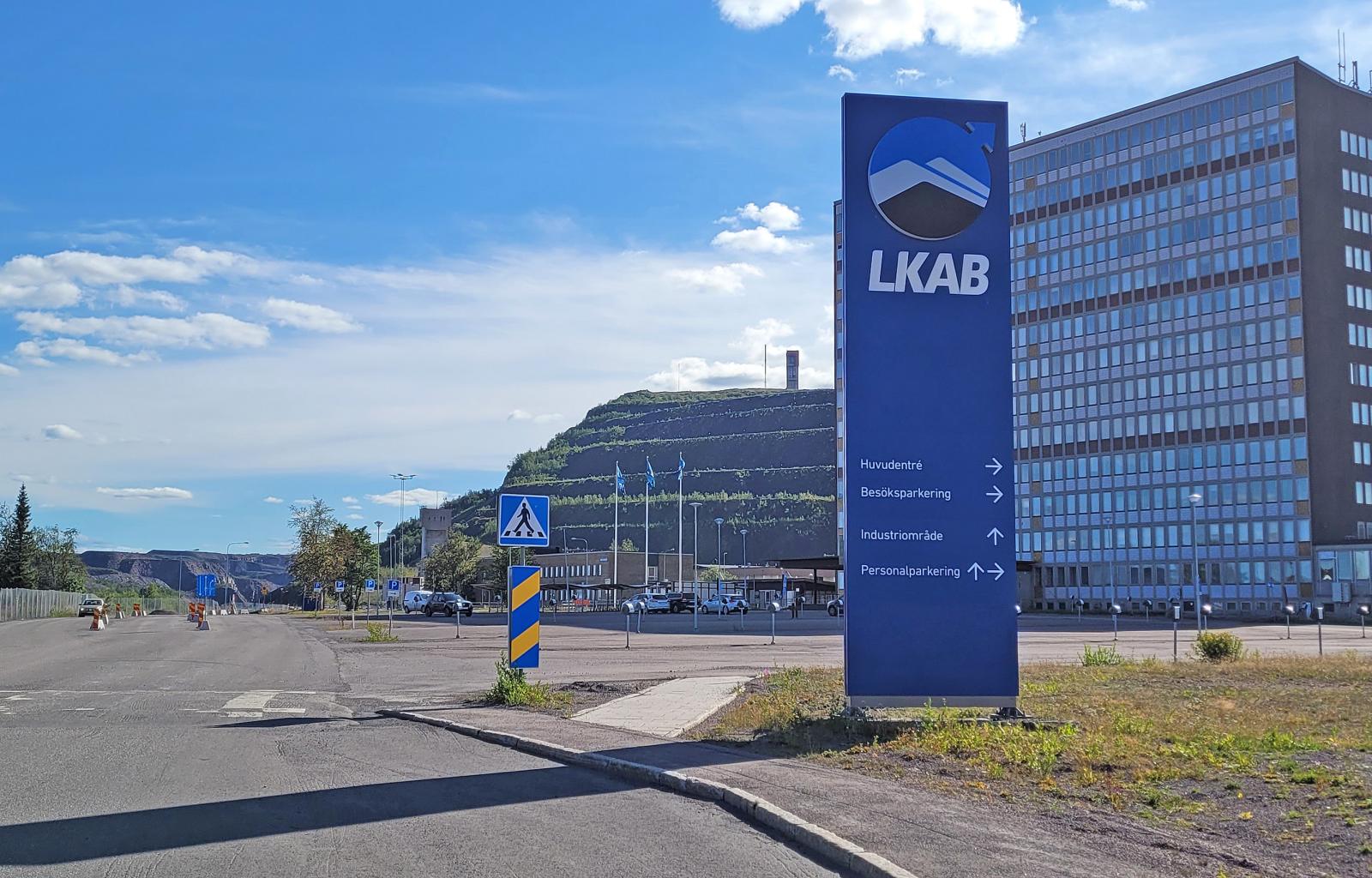
LKAB has initiated construction of a demonstration plant in Lulea, Sweden, to process rare earth elements (REEs) from iron ore mining waste. This effort marks a significant step towards European REE independence.

Demonstration Plant to Validate Extraction Processes

LKAB is investing 800mn kronor ($72.65mn) in the plant, aiming for a 2026 startup at a new Lulea industrial park. The demonstration plant will validate and refine extraction processes for a future full-scale facility. The company plans to produce REEs, phosphorus, and gypsum from its Gallivare iron ore mine by processing apatite concentrate, utilizing current waste streams. Operations will scale up with additional processing over time, targeting full operation in the 2030s. The permit process for LKAB's full operation, including the Gallivare apatite plant, anticipates a decision by late 2025.

Strategic Expansion and European REE Independence

Furthermore, LKAB intends to extract REEs from other mineralizations. Future scale-up decisions hinge on the demonstration plant's results and industrial park environmental permits. LKAB's Per Geijer iron deposit in Kiruna, estimated at 1.7mn t of REEs, stands as one of Europe's largest. Europe currently lacks REE extraction capacity, relying on Chinese imports. REEs are crucial for electric vehicle motors, wind turbines, and various electronic and military applications. LKAB has applied for Strategic Project classification under the EU's Critical Raw Materials Act for its Gallivare iron ore mine, Lulea industrial park, and REE-rich Per Geijer iron ore deposit.

US Critical Materials and INL Partner on Rare Earth Pilot Plant

No comments
US Critical Materials and INL Partner on Rare Earth Pilot Plant
US Critical Materials

Advancing Domestic Rare Earth Processing Capacity

US Critical Materials has joined forces with Idaho National Laboratory (INL) to develop a pilot plant that will process rare earth elements (REEs) from Montana’s Sheep Creek deposit. The facility will handle 1–2 metric tonnes of ore per day, enabling the demonstration of advanced mineral processing and separation technologies. The partnership aims to strengthen the United States’ ability to produce critical minerals domestically, reducing reliance on foreign supply chains.

INL, serving as the US Department of Energy’s primary Separation Sciences R&D hub, will provide technical expertise to optimize recovery processes. Although no operational timeline has been announced, the project marks a significant step toward establishing a vertically integrated REE supply chain within the country.

Strategic Importance of Sheep Creek’s Mineral Profile

The Sheep Creek deposit contains a high-grade mix of critical minerals, including neodymium, praseodymium, niobium, and heavy rare earths such as gadolinium, terbium, dysprosium, and yttrium, along with gallium. These materials are essential for applications ranging from permanent magnets in electric vehicles and wind turbines to advanced defense systems and high-performance electronics.

By leveraging domestic feedstock, the pilot plant will support US efforts to secure stable supplies of these strategically vital resources. This aligns with national priorities to mitigate supply chain vulnerabilities, particularly given the concentration of global REE processing in China.

Building a Foundation for Scaled Production

The 1–2 t/d pilot plant is designed as a proof-of-concept facility that could pave the way for commercial-scale operations. If successful, the technologies validated here could be deployed across multiple REE-rich sites in the US, further decentralizing global supply and enhancing industrial resilience.

The collaboration also signals growing federal interest in funding and partnering on projects that align with defense, energy transition, and manufacturing needs. By working with INL, US Critical Materials gains access to specialized infrastructure and expertise that could accelerate commercialization.

The Metalnomist Commentary

This partnership highlights the strategic urgency of building a domestic rare earth supply chain. By combining US Critical Materials’ high-grade feedstock with INL’s separation expertise, the pilot plant could become a model for future US-based REE production. The next challenge will be scaling capacity while ensuring cost competitiveness against established global producers.

Utah low-cost REE producer plans could reshape NdPr supply

No comments
Utah low-cost REE producer plans could reshape NdPr supply
Energy Fuels

Utah low-cost REE producer ambitions are moving to the center of US industrial strategy. Utah low-cost REE producer plans now hinge on a major expansion at Energy Fuels’ White Mesa Mill. As a result, the US could gain a scaled NdPr oxide supplier with meaningful heavy rare earth output.

Energy Fuels estimates $410mn in capital spending for the Utah buildout. The company targets all-in costs of $29.40/kg of NdPr oxide using monazite feed from its Madagascar-linked Vara Mada project. However, costs rise to $59.80/kg if it processes 50,000t/yr of monazite from all sources.

White Mesa expansion targets scale and heavy rare earths

White Mesa currently produces up to 1,000t/yr of NdPr oxide. The expansion would lift capacity to more than 6,000t/yr of NdPr. Meanwhile, the plan adds 66t/yr of terbium and 240t/yr of dysprosium output.

The project also targets about 750t/yr of samarium, europium, and gadolinium concentrate. These streams matter for magnet alloys and specialty applications. Therefore, the economics improve if the plant maintains high recoveries and stable feed quality.

Feedstock strategy links Madagascar, Australia, and Brazil

Energy Fuels anchors its cost claim on monazite from Vara Mada. The company also points to monazite resources in Australia and Brazil to diversify feed. Meanwhile, multi-origin sourcing can improve resilience but complicates blending and qualification.

Regulatory approval is expected by 2027, with construction and commissioning planned by the first quarter of 2029. That timeline places the project behind near-term demand growth. However, long-cycle magnet supply chains often reward credible late-decade capacity.

The Metalnomist Commentary

A cost-competitive NdPr platform becomes strategic only if it scales reliably and secures consistent monazite supply. However, the real differentiator is terbium and dysprosium capability at commercial quality. If White Mesa executes, it could pressure non-Chinese NdPr pricing benchmarks.

Western Rare Earth Projects Gear Up for 2025 Amid Growing Global Demand

No comments
Ucore Rare Metals

As the global demand for rare earth elements (REEs) escalates, largely driven by the burgeoning sectors of electric vehicles (EVs), wind turbines, and electronics, Western countries are intensifying their efforts to establish commercial-scale REE separation and processing capabilities outside China. With China currently dominating over 80% of the global REE refining market, Western initiatives are crucial in diversifying the supply chain and reducing dependency on Chinese exports.

Strategic Shifts in Rare Earth Processing

In response to China's recent bans on the export of RE extraction and separation technologies and key electronic metals to the US, Western governments and companies are pushing aggressively to develop alternative refining capacities. This includes the exploration of less polluting processes than the traditional solvent extraction methods prevalent in China. High-grade REE deposits in places like Northeast Wyoming are being developed by firms such as Wyoming Rare USA and Rare Element Resources, aiming to ramp up production over the next two years.

In addition to U.S. projects, Canada's Ucore Rare Metals recently received substantial DoD funding to advance REE separation at its RapidSX commercial demonstration facility in Ontario. This is part of a broader "friendshoring" strategy by the DoD, which also recognizes suppliers from Canada, Australia, and the UK as part of the domestic supply chain.

Expanding Western Production Capacities

Several U.S. facilities are already operational or are expanding their capacities to meet the increasing market demand. These include ReElement Technologies in Indiana, Rainbow Rare Earths in Florida, and Lynas in Texas. Notably, Phoenix Tailings in Massachusetts and Energy Fuels in Utah are also increasing their production volumes.

The expansion is not limited to North America. In Europe, projects like the expansion of Nd and NdPr processing at UK-based Less Common Metals and the new NdPr production facility by Solvay in France are underway. These efforts are complemented by plans for new production facilities in Norway and Sweden, aligning with Europe's strategic moves to boost its EV manufacturing and renewable energy sectors.

NioCorp Makes Strides in Rare Earth Recycling

No comments
NioCorp

NioCorp Developments, a critical minerals developer, has achieved a significant milestone in its rare earth element (REE) extraction efforts. The company successfully extracted REEs from end-of-life permanent rare earth magnets, utilizing a hydrometallurgical process that will be implemented at its Elk Creek project in Nebraska.

The company's pilot plant in Canada, in collaboration with a third-party partner, processed demagnetized and ground-up permanent magnets into separated rare earth oxides. While specific production volumes were not disclosed, the successful extraction process demonstrates the feasibility of recycling rare earth magnets.

NioCorp is now exploring the potential of a recycling program to complement the REE production at Elk Creek. By recovering valuable REEs from recycled magnets, the company aims to enhance its supply chain sustainability and reduce reliance on primary mining.

However, it's important to note that a comprehensive economic analysis for REE extraction at Elk Creek is still pending. The company will need to assess the financial viability of this venture before proceeding with construction and production.

While the primary focus of the Elk Creek project remains on niobium, scandium, and titanium production, the successful REE extraction from recycled magnets opens up new opportunities for NioCorp and contributes to the growing importance of sustainable rare earth sourcing.

Korea Zinc, Alta partner on REE recycling to scale magnet recovery in 2027

No comments
Korea Zinc, Alta partner on REE recycling to scale magnet recovery in 2027
Korea Zinc

Korea Zinc, Alta partner on REE recycling to build a new pathway for rare earth supply. The venture will recover rare earth elements from end-of-life permanent magnets. As a result, it targets domestic production of rare earth oxides starting in 2027.

Korea Zinc, Alta partner on REE recycling with an initial capacity of 100 metric tonnes per year. The partners plan to combine Korea Zinc’s metals processing and recycling capabilities with Alta’s mineral separation platform. Meanwhile, the focus on spent magnets aligns with rising demand for NdPr and heavy rare earths in EVs and wind power.

Why end-of-life magnets matter for rare earth supply chains

End-of-life magnets offer a concentrated feedstock compared with many primary ores. The material also bypasses long lead times tied to mine permitting and separation plants. Therefore, magnet recycling can shorten supply chains and reduce exposure to export controls.

Domestic rare earth oxides can support downstream steps like metal-making and magnet manufacturing. However, consistent scrap collection and sorting remains the hard part. As a result, partnerships often succeed or fail based on feedstock access and quality control.

Korea Zinc’s US footprint strengthens the execution case

Korea Zinc already operates US recycling assets through its Pedal Point subsidiary. Those facilities handle electronic waste and related complex streams. Meanwhile, the company has also announced a major US smelter investment in Tennessee, signaling a broader push into local non-ferrous processing.

The Alta partnership fits this strategy by adding rare earths to the recycling value chain. Therefore, the venture could become a platform for scaling beyond the initial 100 t/yr. However, ramp-up will depend on separation yields, impurity management, and customer qualification.

The Metalnomist Commentary

This deal highlights how recycling is becoming the fastest route to non-Chinese rare earth availability. However, success will hinge on building a reliable magnet collection network. The winners will be the teams that control feedstock and produce consistent oxide quality.

Defense Metals Secures $250mn Funding Interest for Wicheeda Rare Earths Project

No comments
Defense Metals Secures $250mn Funding Interest for Wicheeda Rare Earths Project
Defense Metals


Strategic Financing Boost for Canadian Rare Earth Development

Defense Metals has received a Letter of Interest from Export Development Canada (EDC) for up to $250mn in debt financing to advance its Wicheeda Rare Earth Element (REE) Project. The funding is contingent upon the completion of due diligence, marking a significant milestone for one of Canada’s most promising rare earth ventures.

Located in British Columbia, the Wicheeda REE Project covers 29,158 acres and is expected to operate for 15 years once in production. According to the 2025 pre-feasibility study, the project could yield an average of 31,900 tonnes per year of total rare earth oxide (TREO) in concentrate, translating to about 5,200 tonnes of TREO in mixed rare earth carbonate (MREC). This positions Wicheeda as a critical contributor to North America’s rare earth supply chain.

The project’s estimated capital cost stands at $2bn, with operating costs of $37.42 per kilogram of praseodymium-neodymium oxide in MREC. If developed, Wicheeda could provide a secure and sustainable supply of high-value REEs vital for electric vehicles, renewable energy systems, and defense applications.

Strengthening North America’s Rare Earth Supply Chain

The EDC’s potential financing underscores Canada’s commitment to building domestic capabilities in critical minerals. By supporting large-scale projects like Wicheeda, Canada can reduce reliance on overseas REE sources and reinforce supply security for industries vulnerable to geopolitical disruptions. Defense Metals’ progress also reflects a broader trend of aligning mining investment with strategic industrial policy in the face of growing global demand.

The Metalnomist Commentary

The $250mn funding interest from EDC could prove pivotal in moving Wicheeda toward production. With capital-intensive projects like this, early financial backing is essential to secure investor confidence and advance permitting. If realized, Wicheeda will strengthen North America’s independence in rare earth sourcing while tapping into rapidly expanding clean energy and technology markets.