Showing posts sorted by relevance for query Boeing titanium. Sort by date Show all posts

Boeing Raises 2025 Titanium Demand Forecast Amid Aircraft Production and Certification Challenges

No comments
Boeing Ti

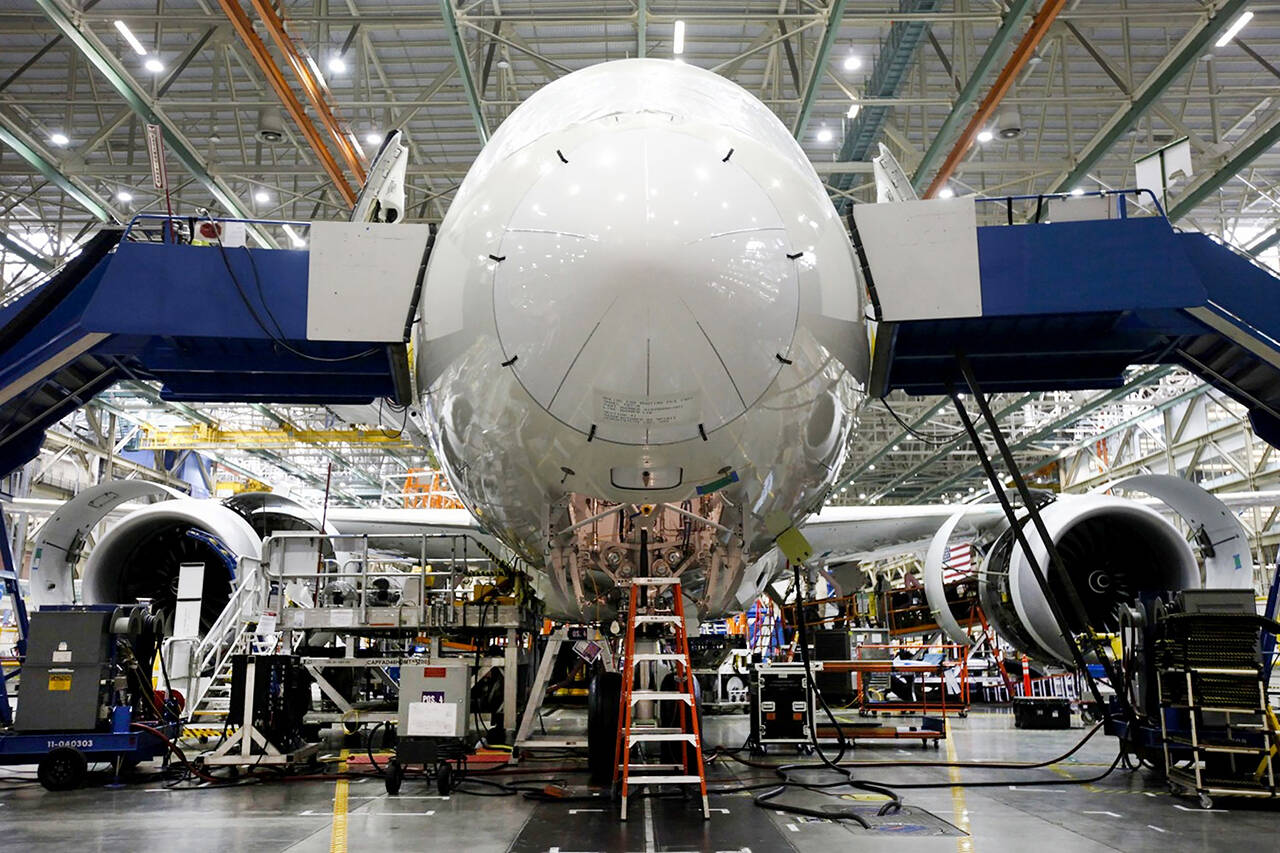
Aerospace giant Boeing has announced an anticipated increase in titanium purchases for 2025, signaling stronger demand despite ongoing labor strikes and challenges with its 737 Max and 787 Dreamliner programs. The Virginia-based company aims to secure higher titanium supply levels to support a planned production ramp-up for these aircraft, even as output on the 737 Max has been temporarily halted due to a labor stoppage in the Pacific Northwest.

Jeff Carpenter, Boeing's senior director of contracts, sourcing, and category management, addressed delegates at the International Titanium Association (ITA) conference in Austin, noting that Boeing has "signaled increased buys to all the mills" for 2025, though exact figures were not disclosed. Boeing’s increased demand reflects its goal of sustaining production rates while mitigating potential supply chain disruptions, including parts shortages and federally mandated output caps.

Titanium Requirements: Rising Demand in Aerospace

Boeing has long relied on titanium for its aircraft structures due to its lightweight yet durable properties, essential for both the narrow-body 737 Max and the wide-body 787 Dreamliner. While the 737 Max uses less titanium—under 10% by weight—the larger 787 comprises approximately 15% titanium, making it a major driver of Boeing’s titanium needs. As the company sets its sights on producing 50 737s per month by 2025-26 and 10 787s per month by 2026, demand for the metal is expected to climb.

In preparation for these ambitious production targets, Boeing has been addressing supply chain bottlenecks, including expanding its supplier base and considering new sourcing strategies. Efforts to localize operations may streamline the titanium supply chain and reduce dependency on overseas forgers, cutting lead times and enhancing production efficiency. Part of this localization includes increased purchases of intermediate titanium forms like slab, which can help Boeing better meet its titanium requirements for future builds.

Heightened Scrutiny on Certification and Quality Control

Alongside its production goals, Boeing is also calling for more rigorous industry standards in titanium certification following recent findings of fraudulent documentation in some titanium parts. This year, aviation regulators in the U.S. and Europe launched an investigation into titanium parts previously verified with improper documentation. Although Boeing stressed that the quality of the titanium itself is not in question, the company is strengthening oversight to avoid risks associated with sourcing strategies outside its established network.

Carpenter urged suppliers at the ITA conference to prioritize diligence in material sourcing and conform to tighter certification standards. Boeing plans to increase inspections and bolster certification training for its distributors, aiming to ensure high-quality material tracking and maintain safety standards.

Boeing titanium joint venture remains uncertain despite Russia’s overture

No comments
Boeing titanium joint venture remains uncertain despite Russia’s overture
VSMPO-AVISMA

Russia signaled interest in reviving the Boeing titanium joint venture with VSMPO-AVISMA. However, Boeing has not indicated any plans to return. Sanctions, tariffs, and long requalification timelines complicate any restart of the Boeing titanium joint venture. Supply chains have shifted since 2022 and will not reverse quickly. The Boeing titanium joint venture once lowered logistics costs and secured critical forgings.

Ural Boeing Manufacturing’s past and the sanctions hurdle

Ural Boeing Manufacturing previously machined titanium forgings for the 787 and 737. The partnership expanded in 2010 and planned a second site in 2013. Boeing cut ties in March 2022 after Russia’s invasion. The US later imposed 70% tariffs on Russian unwrought titanium. VSMPO also faced export sanctions in 2023. These measures deter direct commercial engagement. Any revival would require regulatory relief and political alignment.

How Boeing filled the titanium gap

US and allied producers expanded premium-grade capacity after 2022. ATI added electron-beam melt for rotating-grade titanium. Perryman expanded melt and conversion capacity. TIMET is ramping a new Ravenswood ingot mill. Aerospace buyers still face long part qualifications. New PQ supply takes two to five years to certify. Boeing’s recovery also shapes demand. The 737 MAX returned to 38 jets per month. The 787 rose to seven per month.

The Metalnomist Commentary

Even if sanctions eased, a rapid restart looks unlikely. Boeing diversified supply and invested in non-Russian PQ routes. Reversing that shift would add risk without clear benefits.

Boeing 737 MAX Output Ramp Signals a New Phase for Aerospace Supply Chains

No comments
Boeing 737 MAX Output Ramp Signals a New Phase for Aerospace Supply Chains
737 MAX

The Boeing 737 MAX output ramp reached an important milestone at the end of 2025. Boeing exited the year producing the 737 MAX at 42 aircraft per month. The company now plans another step up to 47 per month in 2026. As a result, the Boeing 737 MAX output ramp is becoming a stronger signal of production recovery.

This matters because Boeing is moving closer to a more stable delivery profile. The company delivered 447 units in 2025 and expects around 500 deliveries in 2026. Production should reach about 530 units this year, although some 737-10 aircraft still await approval. Therefore, Boeing production recovery is now shifting from backlog repair toward a more normal build pattern.

The improvement also reflects better operating control after several disruptions. Boeing had faced quality issues, regulatory limits, and a labor strike that slowed output. However, the company is now hiring for a new 737 MAX production line in Everett. Consequently, the Boeing 737 MAX output ramp now looks more structural than temporary.

Aerospace Supply Chain Normalization Is Becoming the Next Critical Test

Aerospace supply chain normalization is now central to Boeing’s next step. The company said it plans to reduce excess raw material inventory as output rises to 47 aircraft per month. That process should begin bringing supply conditions back toward historical levels. As a result, Boeing is moving from buffer-stock protection to a more disciplined supply model.

This shift matters across multiple material categories. Boeing’s inventory buildup had weighed on different supply tiers and several commodities. Titanium scrap and titanium ingot prices have already fallen to multiyear lows under that pressure. Therefore, aerospace supply chain normalization could reshape purchasing patterns across the titanium market.

Boeing also plans to manage inventory adjustments carefully. Management said it will reduce excess stock commodity by commodity. That approach aims to protect stability while output rises. Meanwhile, suppliers will need to support higher monthly demand without the same inventory cushion.

737 MAX Titanium Demand and Widebody Growth Add Strategic Weight

737 MAX titanium demand matters even though the narrowbody is not Boeing’s most titanium-intensive model. The bigger strategic signal comes from broader production momentum across Boeing’s portfolio. The company has already moved the 787 Dreamliner to eight aircraft per month. It is also targeting 10 per month later in 2026.

Widebody progress strengthens the materials story further. Boeing said the 777-9 has entered the third phase of type inspection authorization. The company still expects first delivery in 2027 despite a durability issue on the GE9X engine. Because the 777X is Boeing’s most titanium-heavy aircraft family, future certification progress could raise titanium demand visibility.

The challenge, however, is not over. Boeing warned that moving beyond 47 per month toward 52 will be much harder. Supplier performance may become the main constraint at that stage. Therefore, the Boeing 737 MAX output ramp is not only a production story. It is also a test of whether the aerospace supply base can truly normalize.

The Metalnomist Commentary

Boeing’s recovery now depends less on headline demand and more on supply chain discipline. The next gains will come from better supplier performance, not just more assembly capacity. If normalization holds, titanium and other aerospace material markets may finally move out of distortion and back toward healthier demand signals.

Boeing 2025 delivery targets within reach as ramp gathers pace

No comments
Boeing 2025 delivery targets within reach as ramp gathers pace
Boeing 737 Max

Boeing 2025 delivery targets now look firmly achievable as the US airframer accelerates its recovery in commercial programmes. Third-quarter deliveries rose by 38pc year on year to 160 aircraft, led by stronger output of 737 MAX and 787 jets. Shipments of the 737 MAX increased by 32pc to 121 units, while 787 Dreamliner deliveries jumped 71pc to 24 aircraft in the same period. As a result, Boeing only needs to deliver 70 additional 737s and 19 more 787s in the remaining months to meet full-year guidance of around 400 and 80 units. This performance contrasts sharply with last year, when operational disruptions and a labour strike in the Pacific Northwest heavily constrained output and undermined confidence.

Backlog growth, titanium strategy and Boeing 2025 delivery targets

Boeing 2025 delivery targets are backed by a deep order pipeline and cautious material planning. The company booked 153 gross orders in the third quarter, its lowest quarterly intake this year, but still expanded its backlog to 6,579 aircraft by 30 September. That backlog represents more than a decade of future work and underpins long-term demand for metals and components across the aerospace supply chain. Boeing has kept its goal of lifting 737 production to 42 jets per month, pending regulatory approval to increase build rates further. Meanwhile, the airframer plans to moderate its titanium inventory burn over the next three to five years, aiming to “keep everybody running” and avoid destabilising key suppliers. This approach implies Boeing’s titanium demand will be broadly flat in 2026, giving mills and forgers critical visibility.

Competitive dynamics with Airbus and implications for titanium demand

Boeing 2025 delivery targets also sit within a wider competitive landscape where Airbus is managing a different titanium cycle. Airbus has forecast a contraction in its titanium demand next year as it aggressively destocks before a planned rebound in 2027. The European airframer has delivered 507 commercial aircraft so far this year and must hand over a further 313 units to reach its full-year target. As a result, titanium mills, service centres and scrap processors face diverging signals from the two largest OEMs. Boeing’s flattish titanium demand profile for 2026 contrasts with Airbus’ sharper destocking path, complicating planning for producers already wrestling with elevated inventories and uneven order flows. For upstream titanium suppliers, the combination of steady Boeing pull and weaker Airbus offtake may reinforce regional imbalances between US and European markets.

The Metalnomist Commentary

Boeing 2025 delivery targets increasingly look like a credible floor, not a stretch, which should reassure metals suppliers planning capacity and inventory. Yet the split between Boeing’s steady titanium strategy and Airbus’ planned destocking underscores how fragile visibility remains across the titanium value chain. For mills, master-melt operators and recyclers, granular alignment with each OEM’s build profile will matter more than headline delivery numbers over the next two years.

Titanium Scrap Demand and Prices Expected to Rise in 2025, Driven by Boeing Recovery and Melter Expansions

No comments
Titanium Scrap

The outlook for titanium scrap is becoming increasingly positive as demand is expected to surge in the second half of 2025. This rise is driven by a recovery in aerospace manufacturing, particularly from Boeing, and planned expansions in titanium melting capacity. These factors are expected to have a significant impact on the titanium scrap market, which has faced challenges throughout 2024.

Boeing and Aerospace Recovery

After a year marked by disruptions in production schedules and supply chain bottlenecks, aerospace manufacturers are expecting a rebound. In 2024, the anticipated increase in titanium scrap demand did not materialize as expected, largely due to production missteps at Boeing and delays in Airbus’s ramp targets. However, a recovery in Boeing's production, particularly of the 737 MAX and the 787 Dreamliner, is poised to fuel higher scrap consumption.

Boeing’s 737 MAX production, which was temporarily halted due to a seven-week strike, is set to resume, providing a strong signal for the titanium scrap market. The 787 Dreamliner, which contains about 15% titanium compared to 6% for the 737 MAX, will also contribute to increased demand. Despite facing parts shortages earlier in 2024, Boeing has indicated that it will resolve these issues by the end of the year, paving the way for normalized production rates in 2025.

Titanium Melters’ Expansions and Ingot Production

Another key factor influencing the titanium scrap market is the expansion of titanium melters’ capacity. With new ingot production facilities scheduled to come online in 2025, there is a clear indication that titanium melters will be looking to source more aerospace-grade scrap to feed their new furnaces. Companies such as ATI, Titanium Metals (TIMET), and Perryman are investing heavily in capacity expansions to meet growing demand for titanium products.

ATI’s expansion at its Richland, Washington, operations will increase melting capacity by 35% over 2022 levels, while TIMET’s new plant in Ravenswood, West Virginia, is expected to produce 33 million lbs of ingot annually once fully operational. Perryman, meanwhile, is ramping up its facility in Coal Center, Pennsylvania, increasing its melting capacity by 16 million lbs to 42 million lbs annually. These expansions are expected to create more competition for available titanium scrap, potentially driving up prices.

Impact of Tariffs and Political Uncertainty

However, the market remains uncertain due to potential changes in U.S. trade policies under President-elect Donald Trump. Trump’s proposed tariffs, which could impose duties of up to 60% on imports from China, 25% on imports from Mexico and Canada, and a 20% duty on all other imports, have raised concerns among market participants. Such tariffs would increase the cost of titanium scrap imports, particularly from regions like Europe and Japan, which could be devastating for the industry if they are implemented.

Titanium scrap imports to the U.S. have already increased significantly in 2024, reaching 23,578 metric tonnes through October, surpassing the previous year’s total. While the threat of tariffs remains uncertain, it could create additional market disruptions that would further complicate the scrap supply chain.

Conclusion

While 2024 proved to be a challenging year for the titanium scrap market, 2025 is shaping up to bring a significant rebound. The resumption of Boeing's production and continued expansions in titanium melting capacity should drive stronger demand for aerospace-grade scrap. However, political uncertainty surrounding tariff policies remains a major wildcard that could affect the broader market dynamics. As the industry braces for these changes, stakeholders are carefully watching for signs of recovery and growth.

Osaka Titanium Export Sales Target 15% Growth Despite Market Headwinds

No comments
Osaka Titanium Export Sales Target 15% Growth Despite Market Headwinds
Osaka Titanium

Osaka Titanium export performance targets significant improvement with projected sales rising 15% to ¥37.7 billion for fiscal 2026. The Japanese titanium producer's Osaka Titanium export strategy focuses on aerospace sector demand, particularly from European aircraft manufacturer Airbus, as the company seeks to offset domestic market weakness and Boeing-related disruptions.

Aerospace Demand Drives Export Optimism

Osaka Titanium export revenues benefit from sustained aerospace industry requirements across multiple segments. Titanium sponge demand from Airbus remains robust, supporting the company's international sales projections for the current fiscal year. Additionally, maintenance, repair, and overhaul (MRO) services for aircraft engines continue generating strong titanium product demand.

Meanwhile, export sales represent approximately 86% of Osaka Titanium's total titanium business revenues. This heavy international focus positions the company to capitalize on global aerospace recovery trends while reducing dependence on volatile domestic markets. However, the company maintains confidentiality regarding actual export volume data.

Boeing Disruptions Impact Previous Performance

Nevertheless, Osaka Titanium faced challenges in the previous fiscal year ending March 2025. Export sales declined 4% year-on-year to ¥33.5 billion ($231 million), primarily due to operational disruptions at Boeing facilities. A seven-week strike at Boeing's Washington factories significantly impacted titanium demand throughout 2024.
Therefore, the company's current optimism reflects expectations that aerospace sector recovery will overcome lingering Boeing-related headwinds. Osaka Titanium sources raw materials from diversified global suppliers including Canada, Australia, India, and African nations, providing supply chain flexibility for international operations.

Pricing Pressures Challenge Revenue Projections

However, potential pricing adjustments could affect Osaka Titanium export revenue targets despite volume growth expectations. Company representatives indicated possible titanium product price reductions for export markets, driven by declining raw material costs and titanium ore price index movements. These pricing pressures suggest potential downward revisions to sales outlook projections.

Furthermore, domestic titanium sales face significant headwinds with overall revenues projected to decline 3% to ¥43.9 billion. Weak domestic demand for ordinary industrial applications and ongoing inventory adjustments weigh heavily on the Japanese titanium market, reinforcing the strategic importance of export growth.

The Metalnomist Commentary

Osaka Titanium's export-focused strategy exemplifies how specialized metals producers navigate market volatility through geographic diversification and aerospace sector positioning. While Boeing's operational challenges created near-term disruptions, the company's emphasis on European aerospace partnerships and MRO services demonstrates strategic adaptation to evolving industry dynamics in the critical titanium supply chain.

Boeing 777X delivery delay to 2027 ripples through aerospace metals supply chain

No comments
Boeing 777X delivery delay to 2027 ripples through aerospace metals supply chain
Boeing 777X

The Boeing 777X delivery delay to 2027 deepens uncertainty for airlines, suppliers and titanium scrap markets. Boeing pushed its first 777-9 handover back by a year, triggering a $4.9bn charge and another reset for the flagship widebody. As a result, the Boeing 777X delivery delay directly affects the aerospace titanium cycle, as the model is estimated to contain up to 20pc titanium by weight.

Certification setbacks reshape Boeing 777X delivery delay

The latest Boeing 777X delivery delay stems from slower-than-expected certification progress with the US Federal Aviation Administration. Boeing had expected type inspection authorisation in the third quarter but underestimated the scale of data and analysis the FAA required. Therefore, the company revised its production plans to limit pre-certification aircraft and align output with a more conservative, long-term schedule.

The $4.9bn charge mainly reflects penalties to airlines and higher unit costs from a slower ramp. However, the revised schedule also means extended inventory overhangs for titanium and other critical materials tied to the program. For titanium scrap suppliers, the Boeing 777X delivery delay prolongs weak spot demand and keeps pressure on prices that were already soft after earlier build-rate cuts.

Boeing will now send an updated production timetable to its vendors and negotiate adjustments case by case. Depending on each commodity, the impact may range from modest to significant, especially for high-value aerospace metals. Meanwhile, mills and scrap processors must recalibrate melt schedules and inventory strategies around a longer runway to meaningful 777X volume.

Single-aisle and 787 ramp offer partial offset

While the 777X stalls, Boeing’s narrowbody and mid-size widebody programs continue to climb. The FAA has lifted the 737 MAX output cap to 42 aircraft a month, up from 38, with Boeing targeting that rate by year-end. As a result, rising 737 MAX build rates will absorb more aluminium, titanium and nickel-based alloys, partly offsetting softness from the Boeing 777X delivery delay.

On the 787 Dreamliner, Boeing plans to exit the year at eight aircraft a month and reach 10 a month in 2026. However, the company warns that tighter inventory and seat certification issues could constrain the ramp. Even so, combined 737 MAX and 787 output, plus a 5,900-aircraft commercial backlog worth $535bn, underpins a multi-year demand floor for aerospace metals.

Boeing’s third-quarter losses narrowed to $5bn from $6bn a year earlier, while revenue rose 30pc to $23bn. Still, the Boeing 777X delivery delay highlights how certification risk can reshape earnings and capital allocation, with knock-on effects across engine makers, forgings, castings and metal supply chains.

The Metalnomist Commentary

The 777X remains Boeing’s most titanium-intensive platform, so each slip in its delivery profile matters for scrap and mill flows. For metals suppliers, resilience will depend on shifting focus toward single-aisle and 787 content while keeping optionality for a later 777X ramp. The broader lesson is clear: certification timelines are now a core variable in forecasting aerospace metals demand, not a background assumption.

Japanese Titanium Producers React to Boeing Disruptions

No comments
Osaka Titanium

The outlook for Japanese titanium producers in the current fiscal year (ending March 31, 2025) presents a mixed picture, primarily due to the recent labor strikes and quality control issues at Boeing. While some anticipate significant impacts on sales, others remain confident in their forecasts.

Osaka Titanium Technologies has revised its titanium business sales forecast downward by ¥3.5 billion ($22.8 million) to ¥49 billion. The company attributes this adjustment to a potential decline in titanium sponge sales stemming from the disruptions at Boeing. The seven-week strike by Boeing's machinists, which halted production of key jet programs, has raised concerns about broader impacts on the aerospace supply chain. Osaka Titanium expressed apprehension about further potential repercussions, echoing Boeing's own caution that operational stabilization will take time. Despite the lowered forecast, Osaka Titanium reported ¥26.2 billion in sales for April-September, a slight 2.8% year-on-year decrease. However, operating profit saw a substantial 59.3% increase to ¥6.3 billion.

In contrast, Toho Titanium maintains its initial sales outlook of ¥95.3 billion for the fiscal year, anticipating no significant impact from the Boeing situation. A Toho representative confirmed to Metalnomist that no order cancellations have occurred as a result of the Boeing issues. Furthermore, overseas sales volumes are secured under fixed contracts until the end of December, reinforcing the company's confidence in its forecast for the remainder of the fiscal year. Toho Titanium reported strong sales of ¥43.8 billion for April-September, a 20% increase year-on-year, with operating profit also slightly up at ¥2.4 billion.

Contrasting Strategies in a Volatile Market

The differing responses of Osaka Titanium and Toho Titanium highlight the complexities of the titanium market and its sensitivity to fluctuations in the aerospace sector. While Osaka Titanium has taken a cautious approach by revising its forecast, Toho Titanium’s existing contracts and order stability have allowed it to maintain its projections. The situation underscores the importance of supply chain resilience and diversified customer bases in mitigating risks associated with disruptions at major aerospace manufacturers like Boeing.

Boeing 737 MAX Build Rate Hits Target as 787 Ramps, Easing Titanium Gloom

No comments
Boeing 737 MAX Build Rate Hits Target as 787 Ramps, Easing Titanium Gloom
Boeing 737 MAX

Boeing 737 MAX build rate hit its target in the second quarter. The Boeing 737 MAX build rate reached 38 jets per month. Boeing now seeks removal of the FAA cap as the Boeing 737 MAX build rate stabilizes.

Production recovery and path to higher rates

Boeing increased 737 MAX output to the FAA-limited 38 per month. The company aims for 42 per month later this year. Earlier, a 2024 panel blowout forced tighter quality control. Spirit Aerosystems shipset intake slowed to improve quality. A 2024 strike pushed 737 MAX output to zero before December restart. Consistent performance at “rate 38” will underpin any request.

Titanium demand brightens with widebody momentum

Boeing lifted 787 Dreamliner output to seven per month. That shift supports titanium supply chains hit by earlier slowdowns. Widebodies consume roughly double the titanium of narrowbodies. The 787 is about 15pc titanium by weight. The 737 MAX uses roughly 6–7pc, industry estimates suggest. Boeing also began building the 777-8 freighter. The freighter contains an even higher titanium share.

Deliveries, backlog, and financials improve

Quarterly deliveries rose 63pc to 150 aircraft. Sequential deliveries climbed 15pc. Boeing’s backlog exceeded 5,900 aircraft after 455 net orders. Quarterly revenue increased 35pc to $22.7bn. The quarterly loss narrowed to $612mn from $1.4bn.

Trade deals temper cost risk, but gaps remain

Zero-for-zero aerospace tariff deals eased cost pressure. Boeing now sees less than the earlier “$500mn bogey.” Agreements with the UK, EU, and Japan helped. However, no deal exists yet with Italy on certain fuselage parts. USMCA talks remain a watchpoint for cross-border components. A steadier Boeing 737 MAX build rate depends on predictable trade terms.

The Metalnomist Commentary

Boeing’s output stabilization materially lifts titanium demand signals, especially from widebodies. Watch the 777-8F ramp and FAA decisions for timing. Tariff carve-outs reduce risk, but Italy and USMCA outcomes still matter for margins.

Enduring Reliance Amid Sanctions: Europe’s Russian Titanium Dilemma

No comments
Enduring Reliance Amid Sanctions: Europe’s Russian Titanium Dilemma
VSMPO Titanium

Introduction: A Supply Chain Unbroken in Wartime

Despite sweeping economic sanctions imposed by the West following Russia’s invasion of Ukraine in February 2022, one supply chain has proved remarkably resilient: Russian titanium sponge. Europe’s quandary over this advanced material—indispensable to aerospace, defense, and medical-device manufacturing—has only deepened.

Russia’s Command of Titanium

Russia ranks among the world’s largest titanium producers. VSMPO-AVISMA, the country’s flagship producer, accounts for 90% of Russia’s titanium output and exports to some 50 countries. The company is estimated to control up to 30% of the global titanium market and nearly half of aerospace-grade supply.

Russia’s dominance rests on abundant raw-material reserves and comparatively low energy costs. Because titanium smelting is energy-intensive, commercial viability depends on cheap power and gas—conditions Russia has historically met.


Airbus A380

Trade that Continues Despite Sanctions

On 7 March 2022, Boeing announced it would halt purchases of Russian titanium used in aircraft manufacturing. Rolls-Royce and Boeing subsequently suspended procurement from VSMPO-AVISMA indefinitely.

Europe, however, charted a different course. Airbus urged the European Union to keep Russian titanium outside future sanctions packages. As Airbus chief executive Guillaume Faury argued, titanium represents a small share of Russia’s total exports, so sanctions would inflict little pain on Moscow while dealing a heavy blow to Europe’s aerospace industry.

Today, Airbus still sources roughly half of its titanium from VSMPO-AVISMA. Boeing, by contrast, once relied on Russia for about one-third of its titanium but has since stopped buying Russian material.

The Limits—and Exceptions—of EU Sanctions

Notably, while the EU has restricted imports of Russian steel and coal, titanium has not been sanctioned. The metal remains a strategic material used in fuselages, turbine blades, satellites, and other critical systems.

Dependence on Russian metals endures in other segments as well. From March to June 2022, combined EU-US imports of Russian aluminum and nickel rose to $1.98 billion—more than 70% above the prior-year period.

Washington and Brussels have generally refrained from designating industrial metals as sanction targets. Europe continues to import large volumes of Russian natural gas, and Russia supplies about 40% of global palladium—vital for semiconductors—implicating everything from automobiles to smartphones.


CBAM

CBAM: A New Variable

The EU’s Carbon Border Adjustment Mechanism (CBAM), introduced in October 2023, adds another layer of complexity. CBAM initially covers cement, electricity, fertilizers, iron and steel, aluminum, hydrogen, and certain downstream products in steel and aluminum. After a transition phase through 2025, full implementation begins in 2026, imposing carbon costs on imports equivalent to those borne by EU producers.

While fertilizers, cement, hydrogen, and non-exported electricity may see limited near-term impact, aluminum stands out as a key target sector. Most exports to the EU beyond steel and aluminum are not yet covered, though the European Commission has signaled possible expansion to high-leakage categories such as organic chemicals and plastics.

Russia is structurally disadvantaged under CBAM. Steel production in Russia, Ukraine, and Türkiye tends to be more carbon-intensive, implying higher embedded-carbon costs at the border.

Ambiguities in Sanctions and Industry’s Dilemma

The United States placed VSMPO-AVISMA on its “military end-user” list, restricting access to advanced technologies, but stopped short of a direct ban on titanium sales—an acknowledgment of global industry’s reliance on the material.

Indeed, during the early stages of the war, VSMPO-AVISMA avoided sweeping US and European sanctions. Although Washington temporarily listed the company in December 2020, the measure was later rescinded.

Recent moves, however, suggest a tightening environment. In April 2024, a joint US-UK action prompted the CME and LME to prohibit trade in newly produced Russian aluminum, copper, and nickel dated after 13 April—an effort widely read as constraining Russia’s influence in metals markets.


Ukraine Titanium Mine

Ukraine: A Viable Alternative?

Against this backdrop, Ukraine has emerged as a potential alternative. Until 2020, the country supplied 90% of Russia’s ilmenite—the feedstock for titanium sponge. With that supply chain severed by war, Ukrainian resources could help challenge Russia’s dominance.

US companies have begun talks with Kyiv on a joint venture anchored by the Zaporizhzhia Titanium-Magnesium Plant (ZTMP). Such partnerships could forge a new titanium hub in Eastern Europe, strengthening Ukraine’s economic footing for decades.
The risks are significant. Ongoing conflict and occupation threaten both Donbas deposits and the ZTMP facilities, which remain exposed to shelling and sabotage.

Aviation’s Growth—and Its Dilemma

The aerospace-titanium market was valued at roughly $100 million in 2022 and is projected to grow at a CAGR exceeding 5% from 2023 to 2032—reflecting the rebound in air travel and a pipeline of commercial aircraft programs.

Despite supply-chain turbulence from war, energy constraints, and labor shortages, passenger traffic continues to recover, lifting titanium demand. In October 2022, Airbus announced plans to deliver more than one aircraft per week to India, persisting with expansion despite engine-supply challenges and domestic carrier capacity constraints—developments that further complicate titanium sourcing.

The Reality of Diversification

Boeing reportedly began diversifying away from Russian titanium after the 2014 annexation of Crimea. Airbus, by contrast, remains heavily reliant on Russian supply.
Globally, China produced around 100,000 t of titanium in 2013—twice the combined output of Russia and Japan at the time—making it the world’s largest producer. Japan ranked third, with Osaka Titanium Technologies standing as the world’s second-largest producer of titanium sponge.

The Metalnomist Commentary: An Unfinished Dilemma

Europe’s struggle over Russian titanium sponge epitomizes the knotty realities of modern supply chains. Between economic sanctions and security imperatives, between industrial competitiveness and moral principle, Europe has yet to find a definitive answer.

With CBAM’s full force arriving in 2026, higher carbon-cost pass-throughs on Russian metals seem likely, intensifying pressure to rewire supply. Yet, as Airbus’s position illustrates, displacing Russian titanium in the short term remains daunting.

The gap between industrial necessity and political sanction endures—witness VSMPO-AVISMA’s August 2025 statement that it stands ready to resume cooperation with Boeing. For now, Europe must navigate this dilemma with prudence: balancing sanction principles, industrial realities, and emergent environmental rules—while accelerating the use of recycled titanium wherever feasible.

Boeing 737 MAX Production Cleared to Rise to 47 Aircraft a Month

No comments
Boeing 737 MAX Production Cleared to Rise to 47 Aircraft a Month
Boeing 737 MAX

Boeing 737 MAX production is set to increase after the US Federal Aviation Administration approved a higher build rate of 47 aircraft per month. The move gives Boeing more room to lift narrowbody output after operating at 42 aircraft per month since the end of 2025.

Boeing 737 MAX production could reach the new rate within the next 30-90 days, according to the FAA. That timeline is broadly in line with Boeing’s expectation of reaching 47 aircraft per month during the summer.

Boeing 737 MAX production growth is important for the wider aerospace supply chain because higher build rates translate into stronger demand for aluminium, titanium, nickel superalloys, fasteners, landing gear, engines and precision components.

The increase also marks another step away from the tighter production controls imposed after quality concerns. Boeing is now trying to raise output while maintaining stricter oversight across manufacturing and supplier operations.

Renton and Everett Will Support the Next Production Step

Boeing will increase 737 MAX output from its Renton, Washington, facility. At the same time, the company is preparing a new final assembly line in Everett, Washington.

The Everett line is expected to start later this year and will support future increases beyond 47 aircraft per month. This gives Boeing additional assembly capacity as it works through its large commercial backlog.

Future production increases will be more gradual. Boeing has said build rates will rise in increments of five aircraft per month, with at least six months between each step.

That approach reflects the company’s focus on quality control and manufacturing stability. Faster production is valuable only if suppliers, inspections and final assembly can support the higher rate without new disruptions.

The current 42 aircraft per month rate was reached after the FAA lifted its previous 38-per-month cap in October. The latest approval therefore represents another measured step in Boeing’s recovery.

Higher Build Rates Lift Aerospace Materials Demand

A production increase from 42 to 47 aircraft per month means five additional narrowbody aircraft entering the manufacturing system every month. That has a direct impact on upstream materials and component suppliers.

Commercial aircraft rely heavily on aerospace-grade aluminium for structures and skins, titanium for high-strength and corrosion-resistant components, and nickel-based superalloys for engines and high-temperature systems.

Higher output also supports demand for forgings, castings, fasteners, composites and specialty machined parts. Many of these products come from tightly qualified supply chains with limited supplier flexibility.

The Everett expansion could amplify that demand further if Boeing receives approval for additional rate increases. Each production step places more pressure on suppliers to expand capacity while preserving aerospace quality standards.

This is especially relevant for titanium and nickel alloy suppliers. Aerospace demand is often less price-sensitive than industrial demand because material qualification and supply continuity are more important than spot cost.

For the metals market, Boeing’s production recovery therefore matters beyond aircraft deliveries. It can strengthen demand across the aerospace materials chain and improve visibility for suppliers with qualified positions on the 737 MAX programme.

The Metalnomist Commentary

Boeing’s latest production approval is a positive signal for aerospace materials demand, but the real constraint is supplier readiness. The next phase of 737 MAX growth will depend on whether qualified aluminium, titanium, superalloy and component suppliers can scale with Boeing.

Aerospace OEMs Look to Reduce Dependency on Russian Titanium

No comments
VSMPO

Aerospace OEMs, including Airbus and Safran, are working to reduce reliance on Russian titanium as supply chain challenges grow due to rising tensions.

The Shift Away from VSMPO-AVISMA 

As global tensions escalate, aerospace original equipment manufacturers (OEMs) like Airbus and Safran are actively working to decrease their reliance on Russian titanium producer VSMPO-AVISMA. The urgency of this shift has heightened since Russian President Vladimir Putin’s recent call for export restrictions on critical metals like titanium, nickel, and uranium.

Airbus Multi-Sourcing Strategy

Airbus, a leading European aircraft manufacturer, is well-positioned in the short-to-medium term thanks to its diversified network of metal suppliers. An Airbus spokesperson told Metalnomist that efforts are underway to secure supply chain resilience through multi-sourcing strategies. However, Airbus has refrained from specifying a timeline for when it will completely sever ties with Russian suppliers.


Safran

Safran’s Progress Toward Decoupling 

French aerospace manufacturer Safran has been reducing its reliance on Russian titanium since February 2022. The company has made significant strides in qualifying alternative, non-Russian sources of titanium. According to a Safran representative, while the qualification of new suppliers takes 2-3 years depending on the complexity of the parts, the process is nearly complete. However, scaling up production to meet current demand remains a challenge across the industry.

Challenges of Securing Alternative Supplies 

VSMPO-AVISMA is the world’s largest titanium producer, and transitioning away from its supply chain has been a complex process for aerospace OEMs. One of the key obstacles is the exclusive contracts in place for critical parts like landing gear components, as well as the limited capacity for producing large-scale forgings and machining operations. Airbus acknowledged in October that it continues to honor its existing contracts in compliance with international sanctions, but reiterated its long-term goal of decoupling from Russian supply chains.

Boeing and the U.S. Response 

In contrast to Airbus, American aircraft manufacturer Boeing ceased all procurement from VSMPO-AVISMA in March 2022. Boeing also ended its forgings joint venture with the Russian company, Ural-Boeing Manufacturing. The U.S. has since imposed a 70% duty on titanium imports from Russia, further isolating the Russian supplier from the American market.


RTX

The Role of Nickel and Titanium in Aerospace 

Titanium plays a vital role in aerospace applications, including structural parts, fasteners, compressor blades, landing gears, and heat exchangers. Nickel, another metal facing export restrictions, is primarily used in high-temperature superalloys for the hot core of jet engines.

Global Sanctions and Industry Reactions The EU has yet to implement sanctions specifically targeting VSMPO, a move that contrasts with the more aggressive stance taken by the U.S. and Canada. Canada’s direct sanctions on VSMPO initially impacted companies like Airbus and Bombardier, but both received exemptions. U.S.-based RTX, however, faced complications and had to secure new titanium sources for its subsidiary, Collins Aerospace, which manufactures landing gear in Canada.

Future Prospects for Titanium Supply 

In response to the growing demand and the void left by VSMPO, U.S. titanium melters such as Timet, ATI, and Perryman are expanding their ingot melt capacities. Similarly, Japanese producers Toho Titanium and Osaka Titanium are investing in capacity expansion, though these efforts are expected to take several years to fully materialize.

Uncertainty Around Russian Export Restrictions 

Whether Russia will move forward with its export restrictions remains uncertain. Safran has stated it has no further information beyond Russia’s public statements, and Airbus has declined to comment on the matter. VSMPO’s largest shareholder, Industrial Investments, holds a 65.27% stake, while the Russian state-controlled defense firm Rostec owns 25%. Putin’s call for restrictions came with the caveat that they should not harm Russia, leaving the industry in a state of uncertainty.

Titanium Exempt from New US Reciprocal Tariffs Amid Broader Aerospace Uncertainty

No comments
Titanium Exempt from New US Reciprocal Tariffs Amid Broader Aerospace Uncertainty
Titanium Ingot

Titanium Scrap and Alloys Dodge Latest Tariff Wave, but Market Unease Persists

Titanium and its derivatives, including scrap and ferro-titanium, were notably exempted from the latest round of US reciprocal tariffs announced on April 2. Annex II of President Donald Trump’s executive order outlined the list of exemptions, sparing various nonferrous metals, including titanium, from additional duties.

However, existing tariffs on titanium products remain unchanged. These include a 60% duty on Chinese titanium sponge and a 15% duty on unwrought titanium from Japan, Kazakhstan, and Saudi Arabia. While titanium scrap imports from the EU and UK are also exempt, pre-existing duties—such as the 20% tariff on Chinese titanium added in March—still apply.

Meanwhile, concerns linger about supply disruptions, particularly in vacuum-grade titanium scrap. The US depends heavily on EU and UK sources to meet demand for ingot melting in aerospace-grade production.

Aerospace Industry Caught in the Crossfire of Uncertain Trade Measures

The aerospace supply chain could still face ripple effects, especially concerning finished parts, components, and jet engines. Major OEMs such as Airbus, Boeing, and Rolls-Royce remain cautious, stating that they are assessing the impact of the new tariffs.

Jet engines like CFM’s Leap-1A and 1B, which power the Airbus A320neo and Boeing 737 Max, span a US-French supply chain, raising questions about the impact of cross-border tariffs on subcomponents. Landing gear systems produced by Safran for the Boeing 787 and turbine modules from GE in the US to France further complicate the situation.

While titanium producers currently report no impact on OEMs for titanium-based parts, the ambiguity surrounding composite materials and mixed-alloy components could lead to future disruptions.

China's Tariff Retaliation Raises Stakes for US Aerospace Exports

In response, China has imposed a 34% tariff on all US imports, with no exemptions, escalating the trade conflict. This will impact US titanium exports to China—totaling 1,300t in 2024—mainly in bars, rods, and wire, as well as aerospace components vital to Comac’s C919 jet program.

China’s C919 relies on US-sourced Leap-1C engines, avionics from Honeywell Aerospace, GE Aerospace, and Collins Aerospace, making it vulnerable to retaliatory tariffs.
Although China sources the majority of its titanium domestically, these duties highlight the fragile interdependence of global aerospace production.

The Metalnomist Commentary

Titanium’s tariff exemption provides momentary relief to US aerospace and scrap processors, but the real uncertainty lies in composite supply chains. As the US and China entrench their trade defenses, aerospace firms must prepare for further regulatory fragmentation. Strategic stockpiling, diversified sourcing, and diplomatic engagement will define resilience in the next phase of industrial policy shifts.

UKTMP Titanium Sales Rise Despite Aerospace Supply Chain Weakness

No comments
UKTMP Titanium Sales Rise Despite Aerospace Supply Chain Weakness
Ust-Kamenogorsk Titanium and Magnesium Plant

UKTMP titanium sales increased in 2025 despite weaker-than-expected aerospace demand and continuing supply chain disruption at Airbus and Boeing. UKTMP International reported sales of $199mn, up 5.3% from $189mn in 2024.

UKTMP titanium sales were concentrated in Europe and the US, which accounted for 47% and 44% of total revenue, respectively. Kazakhstan represented 6% and India 3%.

UKTMP titanium sales growth came despite lower titanium sponge and ingot volumes than originally anticipated. Aircraft manufacturers and titanium suppliers continued reducing inventories after expected aerospace production growth failed to materialise.

Gross profit increased by 18% to $11mn, although operating profit declined to $2.7mn from $3.4mn a year earlier.

Aerospace Weakness Pushes Sponge Output Lower

UKTMP produced 15,000t of titanium sponge in 2025, down from 19,000t in 2024. The company expects output to fall further to 13,000t in 2026.

That would leave production at only half of UKTMP's 26,000 t/yr nameplate capacity, highlighting the gap between installed supply and current aerospace consumption.

The decline reflects problems across the aircraft supply chain rather than a structural loss of titanium's importance. Airbus and Boeing continue to face constraints across engines, components and supplier networks, slowing aircraft production and titanium consumption.

Inventory normalisation has added further pressure. Titanium suppliers had built stocks in anticipation of stronger airframer demand, but slower production forced manufacturers to reduce purchases and work through existing material.

UKTMP nevertheless secured a new five-year agreement with Boeing through 2030. Initial volumes are lower than the producer had expected, although the contract allows for higher deliveries during its term.

The company also signed another long-term contract with an undisclosed customer and is advancing negotiations with a US titanium producer.

These agreements provide longer-term sales visibility even while near-term sponge utilisation remains weak.

Logistics and Energy Costs Pressure Kazakhstan Supply

UKTMP continues to face higher freight costs because it cannot use Russian ports to ship material. Alternative logistics routes increase transport complexity and raise delivered costs for customers in Europe and the US.

Electricity prices are another concern. The producer has been informed of further increases in power costs during 2026, adding pressure to titanium sponge economics.

Titanium sponge production is energy intensive, meaning electricity prices have a direct impact on competitiveness. Lower utilisation can compound that pressure because fixed operating costs are spread across fewer tonnes.

UKTMP is also preparing a new titanium alloy ingot product that could provide additional growth opportunities. The company has not disclosed the alloy or intended market.

Moving further downstream into alloy ingot could help UKTMP capture more value than sponge production alone and reduce its dependence on commodity-style raw material sales.

The strategy becomes increasingly important while aerospace titanium demand remains below earlier expectations. Producers able to combine sponge, ingot and long-term customer agreements should be better positioned when aircraft production eventually accelerates.

The Metalnomist Commentary

UKTMP's falling sponge output shows that aerospace titanium demand remains constrained by aircraft production rather than metal availability. Its long-term contracts and move toward alloy ingot suggest the company is preparing for recovery while protecting itself from prolonged weakness in commodity sponge demand.

Spirit Aero Q1 Hit by Lower 737 Output, Sets Titanium Warranty Reserve

No comments
Spirit Aero Q1 Hit by Lower 737 Output, Sets Titanium Warranty Reserve
Spirit Aerosystem

Spirit Aero Q1 results reflect Boeing slowdown and titanium quality concerns

Spirit Aerosystems reported weaker Q1 financials due to reduced 737 MAX production and quality control issues tied to Boeing. Although 737 MAX shipset deliveries rose to 127 units, most originated from inventory, not new builds. This production gap stemmed from Boeing’s reduced intake following a panel blowout and labor disruptions in 2023.

Airbus programs offset Boeing weakness as Spirit shifts focus

Despite headwinds from Boeing, Spirit delivered 381 commercial shipsets in Q1—up 46% year-on-year—driven by Airbus programs. Notably, deliveries for the A320neo family jumped 22% to 186 units. Spirit continues withholding annual guidance ahead of its planned re-acquisition by Boeing, which includes site divestitures to Airbus and is expected to finalize in Q3 2025.

Spirit sets titanium reserve amid certification probe and narrows quarterly loss

Spirit Aero Q1 results were further impacted by a $116 million reserve linked to titanium parts with questionable certifications. The company intends to recover costs through supplier contracts. Quarterly revenue fell nearly 11% to $1.5 billion, while net losses narrowed slightly to $613 million. Boeing CFO Brian West emphasized improved fuselage quality from Spirit, critical to meeting 2025 production goals.


The Metalnomist Commentary

The Spirit Aero Q1 results underline the cascading effect of OEM production shifts and materials scrutiny across the aerospace supply chain. As Boeing and Airbus rebalance supplier relationships, quality assurance and titanium traceability will become central to restoring output stability and market confidence.

GKN Aerospace Rolls-Royce Repair Contract Strengthens Titanium Fan Blade MRO

No comments
GKN Aerospace Rolls-Royce Repair Contract Strengthens Titanium Fan Blade MRO
GKN Aerospace

GKN Aerospace Rolls-Royce repair contract will expand titanium fan blade repair work across three legacy engine platforms as airlines continue flying older aircraft for longer. The five-year agreement covers RB211-535, Trent 700 and Trent 800 titanium fan blade repairs.

The GKN Aerospace Rolls-Royce repair contract adds Trent 700 capability to GKN’s existing repair base. The company already has about 20 years of experience repairing Trent 800 and RB211-535 fan blades, fan disks and annulus fillers.

The GKN Aerospace Rolls-Royce repair contract is important because the aerospace aftermarket remains strong while new aircraft deliveries stay constrained. Airlines are extending the service life of existing fleets, creating steady demand for engine maintenance, repair and overhaul capacity.

The agreement also reinforces the strategic role of premium-quality titanium in aircraft engines. Hollow titanium wide-chord fan blades require advanced repair capability, strict qualification and reliable material performance.

Legacy Rolls-Royce Engines Drive Aftermarket Demand

The agreement covers three established Rolls-Royce engine families still used across major aircraft fleets. The RB211-535 powers Boeing 757 aircraft, the Trent 700 supports Airbus A330ceo aircraft, and the Trent 800 powers Boeing 777 aircraft.

These engines remain important because many airlines are keeping older aircraft in service. Delivery delays for new-generation aircraft and engine supply constraints have increased reliance on existing widebody and narrowbody fleets.

This operating environment supports aerospace MRO demand. Airlines need qualified repair partners that can restore engine components safely, reduce downtime and extend engine life.

GKN’s expanded capability for Trent 700 fan blade repairs gives Rolls-Royce another repair route for a widely used legacy engine platform. This can improve service flexibility as installed fleets continue generating aftermarket demand.

All repair work under the agreement will be carried out at GKN’s San Diego, California, facility. The site opened in December 2024 and now becomes a stronger platform for titanium engine component repair in the US.

Titanium Fan Blades Highlight Materials-Critical MRO

The agreement has clear materials significance. The RB211-535, Trent 700 and Trent 800 all feature hollow titanium wide-chord fan blades, a high-value component class tied to premium aerospace titanium supply.

Titanium is used in fan blades because it offers high strength, lower weight and strong fatigue performance. These properties are essential for rotating engine components exposed to stress, vibration and demanding operating conditions.

Repair capability is therefore not only a service function. It is part of the aerospace materials supply chain, helping preserve high-value titanium components and reduce the need for complete replacement.

This matters as aerospace supply chains face pressure across forgings, castings, powder metallurgy, titanium sponge, alloy feedstock and qualified machining capacity. Extending the life of approved titanium components can support fleet availability while new production remains tight.

For GKN Aerospace, the deal strengthens its position in engine MRO and high-specification titanium repair. For Rolls-Royce, it supports aftermarket reliability across legacy platforms with continuing global fleet relevance.

The Metalnomist Commentary

The GKN-Rolls-Royce agreement shows that aerospace growth is not only about new aircraft production. Legacy engine MRO, titanium repair capability and qualified aftermarket capacity are becoming strategic tools for keeping fleets flying amid delivery delays.

US Titanium Scrap Imports and Exports Decline in 4Q Amid Supply Chain Disruptions

No comments
US Titanium Scrap

Titanium Scrap Trade Faces Challenges as US Imports and Exports Fall in the Fourth Quarter

US titanium scrap imports and exports experienced a decline in the fourth quarter of 2024, according to recent US customs data. Weaker demand, especially triggered by a seven-week strike at Boeing, led to disruptions in supply chains, significantly affecting titanium scrap trade volumes. Imports fell by 5% to 6,779 metric tonnes (t), marking the lowest total since the first quarter of 2024.

Factors Behind the Decline in US Titanium Scrap Imports

The 5% decrease in imports can be attributed to reduced demand for titanium scrap. Boeing's strike had a substantial impact on supply chains, particularly in aerospace, which is a major consumer of titanium. As a result, the overall import volume dropped. The UK remained the top source of titanium scrap to the US, increasing shipments by 21% to 1,235t, which accounted for about 18% of US imports. On the other hand, imports from Canada fell by 27% to 588t, while shipments from Germany and Japan also decreased by double digits.

US Exports and Shifting Global Markets

US titanium scrap exports also declined, albeit slightly. Total exports fell by 1% to 2,701t. This was primarily driven by reduced prices from overseas markets and the typical seasonal slowdown in manufacturing during the holidays. India emerged as the top destination for US titanium scrap, with exports rising by 59% to 689t. Conversely, exports to Canada fell by 23% to 599t, while shipments to the UK rose by 24% to 397t.

Exports to Mexico surged by 590%, reaching 352t, while exports to South Korea and Germany dropped significantly. Exports to South Korea fell by 77% to 56t, and shipments to Germany declined by 59% to 41t. Despite these fluctuations, US titanium scrap exports for the full year saw a significant increase, rising by 18% to 11,756t, the highest in four years.

Conclusion: A Mixed Outlook for US Titanium Scrap Trade

The fourth-quarter data reveals both challenges and opportunities in the US titanium scrap trade. While imports faced declines due to supply chain disruptions, export volumes saw a notable rise for the full year. The shift in export destinations, particularly the rise in demand from India and Mexico, suggests evolving global market dynamics for US titanium scrap. Going forward, the US titanium scrap trade will need to navigate these changes while adjusting to the impact of global supply chain and economic conditions.


Titanium Exempted from US Tariffs: Aerospace Industry Impact Remains Unclear

No comments
Titanium

New US Tariff Exemptions for Titanium Could Affect the Aerospace Supply Chain

On April 2, 2025, US President Donald Trump announced new tariffs on several foreign imports, including an exemption for titanium, titanium scrap, and ferro-titanium. While the exemption helps protect titanium trade, the broader implications for the aerospace industry remain uncertain.

Titanium Exemption and Its Effects

The US tariffs announced include a list of exemptions, with titanium in its various forms being spared. However, other metals like hafnium, molybdenum, vanadium, nickel scrap, and aluminum scrap were not exempted. The new tariff scheme does not affect pre-existing duties on Chinese titanium products, including a 20% duty on titanium products from China, which has been in place since March 4, 2025. Despite the exemption for certain forms of titanium, Chinese titanium sponge imports will still be subject to a 60% duty, which remains unchanged.

Additionally, imports of unwrought titanium from Japan, Kazakhstan, and Saudi Arabia will still face a 15% tariff, though efforts to remove this tariff for sponge imports are underway. For US titanium scrap imports, particularly from the EU and UK, which make up over half of the US intake, the tariff exemption is crucial. Without it, US scrap dealers, processors, and consumers would face substantial challenges, as the US does not produce enough vacuum-grade titanium scrap domestically to meet demand.

Aerospace Industry and Supply Chain Impact

While the titanium exemption provides relief for many manufacturers, the broader impact of the tariffs on the aerospace industry is still unclear. Aerospace manufacturers are uncertain about the tariff's effects on finished parts, components, and engines, particularly regarding supply chains that involve cross-border production of engine parts like the Leap-1A and Leap-1B engines for the A320neo and Boeing 737 Max.

Canada and Mexico were excluded from the new US tariffs, alleviating concerns for companies like Bombardier, Airbus, RTX, and Heroux-Devtek, which operate in those regions. Still, some titanium producers believe the situation could change rapidly, as it is difficult to define the boundaries between parts made from titanium and assembled components that use other materials, such as nickel-based alloys or aluminum.

China’s 34% Tariff on US Exports

In response to US tariffs, China has imposed a 34% tariff on all US imports, which will affect titanium imports from the US. Despite importing limited amounts of titanium from the US, China still relies on US imports for critical aerospace components, including parts for its C919 aircraft. The C919 uses the CFM Leap-1C engine, which is assembled in both the US and France.


Boeing 737 MAX Output Ramp Targets Summer as Supply Chain Discipline Tightens

No comments
Boeing 737 MAX Output Ramp Targets Summer as Supply Chain Discipline Tightens
Boeing 737 MAX

Boeing 737 MAX output is set for another increase this summer as the aircraft manufacturer prepares to lift production from 42 to 47 aircraft a month. The planned increase will come from Boeing’s Renton, Washington, facility after the company stabilised production at the current rate.

Boeing 737 MAX output growth remains central to the company’s recovery plan. The narrowbody programme drives a large share of Boeing’s commercial aircraft deliveries, cash generation and supplier demand.

Boeing 737 MAX output is also a key signal for aerospace metals and component suppliers. Higher build rates increase demand for aluminium structures, titanium parts, fasteners, forgings, castings, wiring systems, interiors and engine-related components.

The company is also preparing its new 737 MAX final assembly line in Everett, Washington. The line is expected to start later this year and eventually support a push toward 52 aircraft a month.

Inventory Buffers Support Near-Term 737 MAX Rate Increase

Boeing said it has enough buffer stock of raw materials and parts to move to 47 aircraft a month without adding immediate strain to suppliers. This inventory cushion gives the company more room to raise output while maintaining production stability.

The next phase will be more difficult. Boeing said any move toward 52 aircraft a month will require suppliers to align more closely with its build rates because inventory buffers will be lower.

This matters for the aerospace supply chain. Boeing previously relied on higher inventory levels to protect production from disruption. As those buffers normalise, supplier reliability will become more important.

Quality control remains central to the production plan. Boeing has said build-rate increases will come no earlier than six months after a prior step change, as it continues improving processes after the 2024 midair panel blowout.

The new Everett line will start at a low rate to demonstrate conformity to the US Federal Aviation Administration. Boeing did not provide a timeline for reaching 52 aircraft a month.

First-quarter 737 MAX deliveries rose from a year earlier, although a wiring issue delayed some shipments into the second quarter. Boeing said it has already handed off most of the 25 aircraft requiring rework and maintained its full-year 737 MAX delivery target of 500 units.

787 Dreamliner Faces Seat and Engine Delivery Constraints

Boeing also maintained its 787 Dreamliner outlook. The company is targeting a production increase to 10 aircraft a month from the current eight and expects to deliver 90-100 units in 2026.

However, the 787 programme continues to face delivery constraints. Seat certification delays weighed on January-March deliveries, with several completed aircraft held until certification work is finished.

The Dreamliner also faced engine delivery delays during the quarter. Boeing said one supplier had fallen behind, although it did not identify whether the issue involved GE Aerospace or Rolls-Royce.

These problems show that widebody recovery depends on more than final assembly. Certified seats, engines, interiors, avionics and late-stage equipment can all delay delivery even when aircraft are structurally complete.

Boeing said the US-Israel war with Iran has not yet affected aircraft deliveries. The company is monitoring developments in the Middle East and said other customers may accept aircraft if airlines or lessors in the region cannot take deliveries.

Boeing posted a quarterly loss of $7mn, improving from a $31mn loss a year earlier. Revenue increased by 14% to $22.2bn, supported by stronger commercial aircraft activity.

The Metalnomist Commentary

Boeing’s next 737 MAX ramp is a test of whether aerospace recovery can move from inventory-supported output to supplier-supported production. The metals and components chain will need tighter execution as Boeing moves beyond buffer stock and pushes toward higher monthly rates.