Showing posts sorted by relevance for query 737. Sort by date Show all posts

Boeing 737 MAX Output Ramp Signals a New Phase for Aerospace Supply Chains

No comments
Boeing 737 MAX Output Ramp Signals a New Phase for Aerospace Supply Chains
737 MAX

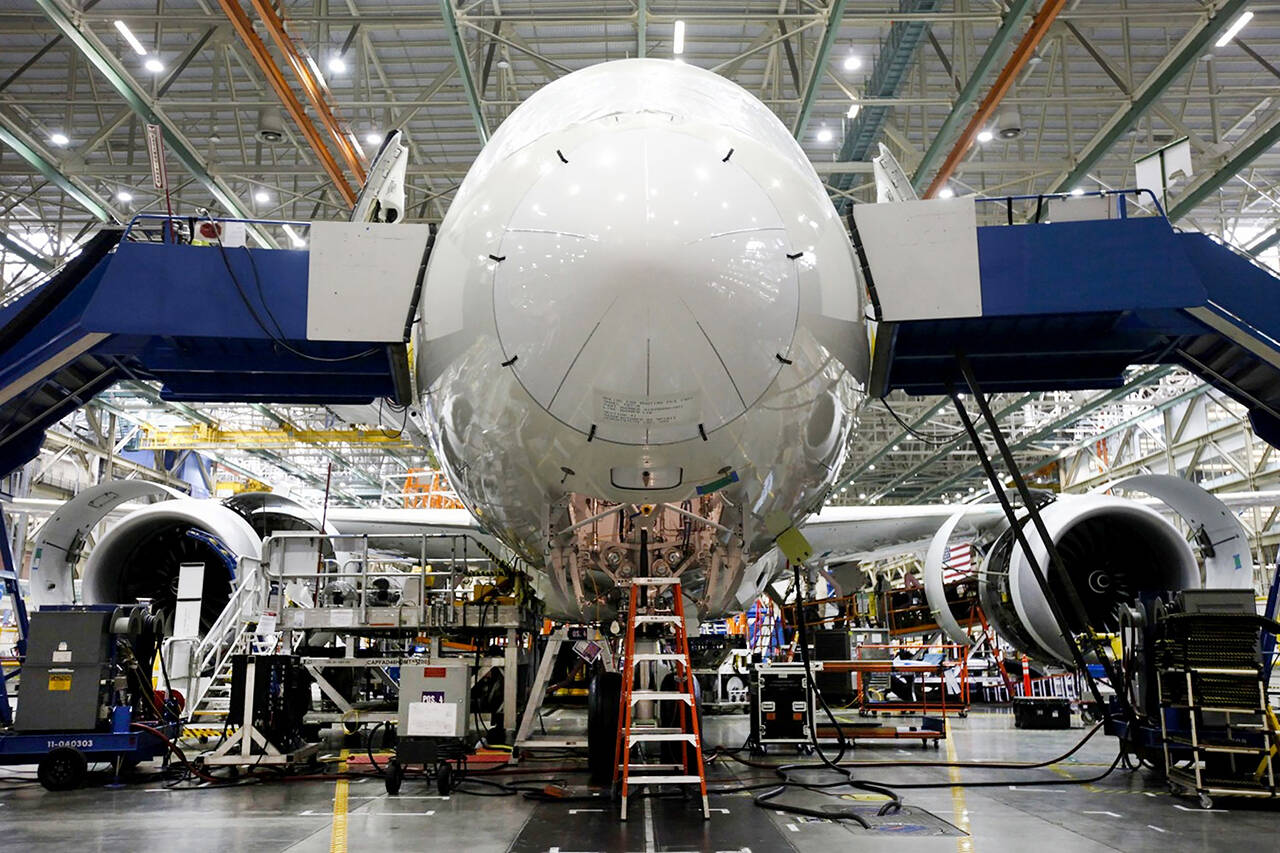
The Boeing 737 MAX output ramp reached an important milestone at the end of 2025. Boeing exited the year producing the 737 MAX at 42 aircraft per month. The company now plans another step up to 47 per month in 2026. As a result, the Boeing 737 MAX output ramp is becoming a stronger signal of production recovery.

This matters because Boeing is moving closer to a more stable delivery profile. The company delivered 447 units in 2025 and expects around 500 deliveries in 2026. Production should reach about 530 units this year, although some 737-10 aircraft still await approval. Therefore, Boeing production recovery is now shifting from backlog repair toward a more normal build pattern.

The improvement also reflects better operating control after several disruptions. Boeing had faced quality issues, regulatory limits, and a labor strike that slowed output. However, the company is now hiring for a new 737 MAX production line in Everett. Consequently, the Boeing 737 MAX output ramp now looks more structural than temporary.

Aerospace Supply Chain Normalization Is Becoming the Next Critical Test

Aerospace supply chain normalization is now central to Boeing’s next step. The company said it plans to reduce excess raw material inventory as output rises to 47 aircraft per month. That process should begin bringing supply conditions back toward historical levels. As a result, Boeing is moving from buffer-stock protection to a more disciplined supply model.

This shift matters across multiple material categories. Boeing’s inventory buildup had weighed on different supply tiers and several commodities. Titanium scrap and titanium ingot prices have already fallen to multiyear lows under that pressure. Therefore, aerospace supply chain normalization could reshape purchasing patterns across the titanium market.

Boeing also plans to manage inventory adjustments carefully. Management said it will reduce excess stock commodity by commodity. That approach aims to protect stability while output rises. Meanwhile, suppliers will need to support higher monthly demand without the same inventory cushion.

737 MAX Titanium Demand and Widebody Growth Add Strategic Weight

737 MAX titanium demand matters even though the narrowbody is not Boeing’s most titanium-intensive model. The bigger strategic signal comes from broader production momentum across Boeing’s portfolio. The company has already moved the 787 Dreamliner to eight aircraft per month. It is also targeting 10 per month later in 2026.

Widebody progress strengthens the materials story further. Boeing said the 777-9 has entered the third phase of type inspection authorization. The company still expects first delivery in 2027 despite a durability issue on the GE9X engine. Because the 777X is Boeing’s most titanium-heavy aircraft family, future certification progress could raise titanium demand visibility.

The challenge, however, is not over. Boeing warned that moving beyond 47 per month toward 52 will be much harder. Supplier performance may become the main constraint at that stage. Therefore, the Boeing 737 MAX output ramp is not only a production story. It is also a test of whether the aerospace supply base can truly normalize.

The Metalnomist Commentary

Boeing’s recovery now depends less on headline demand and more on supply chain discipline. The next gains will come from better supplier performance, not just more assembly capacity. If normalization holds, titanium and other aerospace material markets may finally move out of distortion and back toward healthier demand signals.

Boeing 737 MAX production cap lifted as FAA clears output ramp

No comments
Boeing 737 MAX production cap lifted as FAA clears output ramp
Boeing 737 MAX

Boeing 737 MAX production cap has been lifted by the FAA, unlocking the next output phase. The regulator now allows build rates to rise to 42 aircraft a month, after a year of constrained output and intense scrutiny. As a result, Boeing regains limited flexibility to align 737 MAX production with its delivery guidance and record backlog.

However, the Boeing 737 MAX production cap was not removed lightly. The FAA first imposed a 38-per-month ceiling in January 2024, following a midair panel blowout and temporary groundings. Inspectors then conducted extensive reviews of Renton’s production lines to verify that even a “small” output increase could be achieved safely. The regulator will retain direct oversight of quality control processes, signalling that safety remains the primary constraint on further rate hikes.

Gradual rate increases to support delivery guidance

Boeing is planning a measured ramp rather than a sudden surge in output. The company has stated that any increase beyond the new Boeing 737 MAX production cap will occur in increments of five aircraft per month. Moreover, management has indicated that each step-up will come no earlier than six months apart, reinforcing a cautious “stair-step” approach.

Meanwhile, the airframer is relying on three Renton assembly lines and elevated inventory levels to hit its 2025 delivery targets. Boeing needs to ship only 70 additional 737 MAX aircraft in the fourth quarter to meet its guidance of about 400 units. That target now looks more achievable with the higher monthly ceiling, especially as the company works through disruptions from earlier supplier issues and last year’s labor strike.

What the lifted cap means for the wider supply chain

The lifting of the Boeing 737 MAX production cap will ripple across the aerospace supply chain. Spirit Aerosystems and other structural suppliers can now plan for a modestly higher and more predictable intake of shipsets, after months of throttled flows. As build rates climb, demand should gradually strengthen for advanced alloys, fasteners and systems tied to the 737 programme.

However, suppliers should not expect an immediate return to pre-crisis volumes. Boeing still faces regulatory oversight, reputational repair and the need to embed new quality disciplines before considering faster ramps. Therefore, the initial increase to 42 aircraft a month is best seen as a stabilisation step, rather than a full-scale growth phase. For metals and component suppliers, the near-term focus remains on reliability and schedule performance over volume growth.

The Metalnomist Commentary

The FAA’s decision confirms that Boeing has done just enough to justify a controlled production increase, but not enough to regain full autonomy. For the supply chain, the change offers welcome visibility without removing the discipline imposed by recent crises. The key question now is whether Boeing can sustain quality improvements while gradually rebuilding 737 MAX output over the next planning cycle.

Boeing 737 MAX Output Ramp Targets Summer as Supply Chain Discipline Tightens

No comments
Boeing 737 MAX Output Ramp Targets Summer as Supply Chain Discipline Tightens
Boeing 737 MAX

Boeing 737 MAX output is set for another increase this summer as the aircraft manufacturer prepares to lift production from 42 to 47 aircraft a month. The planned increase will come from Boeing’s Renton, Washington, facility after the company stabilised production at the current rate.

Boeing 737 MAX output growth remains central to the company’s recovery plan. The narrowbody programme drives a large share of Boeing’s commercial aircraft deliveries, cash generation and supplier demand.

Boeing 737 MAX output is also a key signal for aerospace metals and component suppliers. Higher build rates increase demand for aluminium structures, titanium parts, fasteners, forgings, castings, wiring systems, interiors and engine-related components.

The company is also preparing its new 737 MAX final assembly line in Everett, Washington. The line is expected to start later this year and eventually support a push toward 52 aircraft a month.

Inventory Buffers Support Near-Term 737 MAX Rate Increase

Boeing said it has enough buffer stock of raw materials and parts to move to 47 aircraft a month without adding immediate strain to suppliers. This inventory cushion gives the company more room to raise output while maintaining production stability.

The next phase will be more difficult. Boeing said any move toward 52 aircraft a month will require suppliers to align more closely with its build rates because inventory buffers will be lower.

This matters for the aerospace supply chain. Boeing previously relied on higher inventory levels to protect production from disruption. As those buffers normalise, supplier reliability will become more important.

Quality control remains central to the production plan. Boeing has said build-rate increases will come no earlier than six months after a prior step change, as it continues improving processes after the 2024 midair panel blowout.

The new Everett line will start at a low rate to demonstrate conformity to the US Federal Aviation Administration. Boeing did not provide a timeline for reaching 52 aircraft a month.

First-quarter 737 MAX deliveries rose from a year earlier, although a wiring issue delayed some shipments into the second quarter. Boeing said it has already handed off most of the 25 aircraft requiring rework and maintained its full-year 737 MAX delivery target of 500 units.

787 Dreamliner Faces Seat and Engine Delivery Constraints

Boeing also maintained its 787 Dreamliner outlook. The company is targeting a production increase to 10 aircraft a month from the current eight and expects to deliver 90-100 units in 2026.

However, the 787 programme continues to face delivery constraints. Seat certification delays weighed on January-March deliveries, with several completed aircraft held until certification work is finished.

The Dreamliner also faced engine delivery delays during the quarter. Boeing said one supplier had fallen behind, although it did not identify whether the issue involved GE Aerospace or Rolls-Royce.

These problems show that widebody recovery depends on more than final assembly. Certified seats, engines, interiors, avionics and late-stage equipment can all delay delivery even when aircraft are structurally complete.

Boeing said the US-Israel war with Iran has not yet affected aircraft deliveries. The company is monitoring developments in the Middle East and said other customers may accept aircraft if airlines or lessors in the region cannot take deliveries.

Boeing posted a quarterly loss of $7mn, improving from a $31mn loss a year earlier. Revenue increased by 14% to $22.2bn, supported by stronger commercial aircraft activity.

The Metalnomist Commentary

Boeing’s next 737 MAX ramp is a test of whether aerospace recovery can move from inventory-supported output to supplier-supported production. The metals and components chain will need tighter execution as Boeing moves beyond buffer stock and pushes toward higher monthly rates.

Boeing 737 MAX Build Rate Hits Target as 787 Ramps, Easing Titanium Gloom

No comments
Boeing 737 MAX Build Rate Hits Target as 787 Ramps, Easing Titanium Gloom
Boeing 737 MAX

Boeing 737 MAX build rate hit its target in the second quarter. The Boeing 737 MAX build rate reached 38 jets per month. Boeing now seeks removal of the FAA cap as the Boeing 737 MAX build rate stabilizes.

Production recovery and path to higher rates

Boeing increased 737 MAX output to the FAA-limited 38 per month. The company aims for 42 per month later this year. Earlier, a 2024 panel blowout forced tighter quality control. Spirit Aerosystems shipset intake slowed to improve quality. A 2024 strike pushed 737 MAX output to zero before December restart. Consistent performance at “rate 38” will underpin any request.

Titanium demand brightens with widebody momentum

Boeing lifted 787 Dreamliner output to seven per month. That shift supports titanium supply chains hit by earlier slowdowns. Widebodies consume roughly double the titanium of narrowbodies. The 787 is about 15pc titanium by weight. The 737 MAX uses roughly 6–7pc, industry estimates suggest. Boeing also began building the 777-8 freighter. The freighter contains an even higher titanium share.

Deliveries, backlog, and financials improve

Quarterly deliveries rose 63pc to 150 aircraft. Sequential deliveries climbed 15pc. Boeing’s backlog exceeded 5,900 aircraft after 455 net orders. Quarterly revenue increased 35pc to $22.7bn. The quarterly loss narrowed to $612mn from $1.4bn.

Trade deals temper cost risk, but gaps remain

Zero-for-zero aerospace tariff deals eased cost pressure. Boeing now sees less than the earlier “$500mn bogey.” Agreements with the UK, EU, and Japan helped. However, no deal exists yet with Italy on certain fuselage parts. USMCA talks remain a watchpoint for cross-border components. A steadier Boeing 737 MAX build rate depends on predictable trade terms.

The Metalnomist Commentary

Boeing’s output stabilization materially lifts titanium demand signals, especially from widebodies. Watch the 777-8F ramp and FAA decisions for timing. Tariff carve-outs reduce risk, but Italy and USMCA outcomes still matter for margins.

Boeing 737 MAX Production Cleared to Rise to 47 Aircraft a Month

No comments
Boeing 737 MAX Production Cleared to Rise to 47 Aircraft a Month
Boeing 737 MAX

Boeing 737 MAX production is set to increase after the US Federal Aviation Administration approved a higher build rate of 47 aircraft per month. The move gives Boeing more room to lift narrowbody output after operating at 42 aircraft per month since the end of 2025.

Boeing 737 MAX production could reach the new rate within the next 30-90 days, according to the FAA. That timeline is broadly in line with Boeing’s expectation of reaching 47 aircraft per month during the summer.

Boeing 737 MAX production growth is important for the wider aerospace supply chain because higher build rates translate into stronger demand for aluminium, titanium, nickel superalloys, fasteners, landing gear, engines and precision components.

The increase also marks another step away from the tighter production controls imposed after quality concerns. Boeing is now trying to raise output while maintaining stricter oversight across manufacturing and supplier operations.

Renton and Everett Will Support the Next Production Step

Boeing will increase 737 MAX output from its Renton, Washington, facility. At the same time, the company is preparing a new final assembly line in Everett, Washington.

The Everett line is expected to start later this year and will support future increases beyond 47 aircraft per month. This gives Boeing additional assembly capacity as it works through its large commercial backlog.

Future production increases will be more gradual. Boeing has said build rates will rise in increments of five aircraft per month, with at least six months between each step.

That approach reflects the company’s focus on quality control and manufacturing stability. Faster production is valuable only if suppliers, inspections and final assembly can support the higher rate without new disruptions.

The current 42 aircraft per month rate was reached after the FAA lifted its previous 38-per-month cap in October. The latest approval therefore represents another measured step in Boeing’s recovery.

Higher Build Rates Lift Aerospace Materials Demand

A production increase from 42 to 47 aircraft per month means five additional narrowbody aircraft entering the manufacturing system every month. That has a direct impact on upstream materials and component suppliers.

Commercial aircraft rely heavily on aerospace-grade aluminium for structures and skins, titanium for high-strength and corrosion-resistant components, and nickel-based superalloys for engines and high-temperature systems.

Higher output also supports demand for forgings, castings, fasteners, composites and specialty machined parts. Many of these products come from tightly qualified supply chains with limited supplier flexibility.

The Everett expansion could amplify that demand further if Boeing receives approval for additional rate increases. Each production step places more pressure on suppliers to expand capacity while preserving aerospace quality standards.

This is especially relevant for titanium and nickel alloy suppliers. Aerospace demand is often less price-sensitive than industrial demand because material qualification and supply continuity are more important than spot cost.

For the metals market, Boeing’s production recovery therefore matters beyond aircraft deliveries. It can strengthen demand across the aerospace materials chain and improve visibility for suppliers with qualified positions on the 737 MAX programme.

The Metalnomist Commentary

Boeing’s latest production approval is a positive signal for aerospace materials demand, but the real constraint is supplier readiness. The next phase of 737 MAX growth will depend on whether qualified aluminium, titanium, superalloy and component suppliers can scale with Boeing.

Carpenter aerospace demand set to rise as 737 MAX cap increases

No comments
Carpenter aerospace demand set to rise as 737 MAX cap increases
Carpenter Technology

Carpenter aerospace demand is poised to rise after the FAA lifted Boeing’s 737 MAX production cap. The higher build rate strengthens Carpenter aerospace demand across key jet engine and structural alloy grades. As a result, Carpenter aerospace demand should underpin a multi-year earnings and investment cycle for the specialty alloy producer.

737 MAX ramp unlocks stronger Carpenter aerospace demand

The FAA’s decision to raise the 737 MAX cap from 38 to 42 aircraft per month is a clear upside signal. Carpenter’s chief executive Tony Thene said the change is “a very significant positive” as customers move quickly to increase orders. Higher narrowbody build rates translate directly into more demand for nickel and titanium-rich alloys used in engines and critical structures.

Aerospace and defense already dominate the company’s revenue mix and will amplify Carpenter aerospace demand further. In the fiscal first quarter, aerospace and defense sales rose 11pc to $388.3mn and accounted for 64pc of total revenue. Bookings in the segment jumped 23pc quarter on quarter, supported by five large long-term agreements that lock in alloy volumes over several years.

Beyond aerospace, energy, industrial and consumer markets also contributed to growth, even as medical and transportation softened. Energy sales rose 8pc year on year to $42.5mn and industrial and consumer revenue increased 4pc to $75mn. These diversified end markets help stabilize earnings while Carpenter aerospace demand remains the main engine for margin expansion.

Melt capacity expansion supports multi-year aerospace growth

Carpenter plans to expand both primary and secondary melt capacity through brownfield projects. The company expects these investments to complete in 2027 and says work remains on budget and on schedule. Additional melting capacity will help relieve bottlenecks in high-value specialty alloys required by jet engine and defense customers.

Specialty alloys shipments fell 11pc year on year to 44.8mn lbs, highlighting current capacity tightness and product mix optimization. However, overall profit still surged 44pc to $122.5mn, showing the pricing power of aerospace-grade alloys. As new melt capacity comes online, Carpenter aerospace demand can convert more directly into volume growth rather than just price and mix gains.

Management continues to emphasize a “strong, multi-year outlook” for aerospace, defense, medical and power generation markets. The 737 MAX ramp, together with broader fleet renewal and engine upgrade programs, should keep Carpenter aerospace demand elevated well beyond this year. The company is positioning its footprint to support higher OEM build rates and long-term aftermarket needs.

The Metalnomist Commentary

Carpenter aerospace demand illustrates how incremental changes in OEM build caps can cascade through the alloy supply chain. The 737 MAX increase looks small in monthly units, but it drives multi-year demand for complex nickel and titanium-based products. For metals suppliers, the combination of locked-in contracts, melt expansion and tight aerospace specifications points to sustained pricing power, even if some industrial segments lag.

Boeing Refutes Report on 737 MAX Output Decline

No comments
Boeing Refutes Report on 737 MAX Output Decline
Boeing 737 Max

Boeing Clarifies 737 MAX Production Stability

Boeing has firmly denied claims of a production slowdown for its 737 MAX aircraft at the Renton, Washington facility. The company stated it has not reached a 38-unit monthly production rate in 2024 and has not reduced output. This statement follows a report from The Air Current suggesting a drop in wing assembly output from February to March.

Recovery Efforts Continue Post-Strike

Boeing resumed operations in December after a seven-week worker strike halted manufacturing at its key 737 facility. Since then, the company has methodically increased output and aims to stabilize the 737 MAX production line. It targets a build rate of 38 aircraft per month in 2025, which aligns with the current FAA-imposed production limit.

Supply Chain Watching Closely Amid FAA Oversight

Boeing aims to exit 2025 at a monthly rate of 42, pending FAA approval to lift current restrictions. Suppliers are closely tracking the ramp-up, as Boeing’s 2024 quality control issues have already disrupted expectations. Maintaining momentum is vital to rebuild confidence in the narrowbody program and support global delivery timelines.

The Metalnomist Commentary

Boeing’s public pushback signals an effort to manage stakeholder expectations amid scrutiny from regulators and supply chain partners. With global demand for narrowbody aircraft recovering, the company’s ability to meet ramp-up targets will be crucial for reasserting leadership in the commercial aviation sector.

Boeing's 737 Deliveries Expected to Match Q1 2023 Levels, 787 Deliveries Lag – BofA

No comments
Boeing's 737

Bank of America analysts predict that Boeing's (NYSE
) deliveries of 737 aircraft will be close to Q1 2023 levels, while deliveries of the 787 model will fall behind due to newly identified issues.

As of mid-June, Boeing had delivered 12 units of the 737, exceeding the nine units delivered during the same period last month, according to Aero Analytics Partners/AIR (AAP/AIR). Production has also ramped up to 13 units as of June 13, with flight activity showing a 5% increase compared to the same period last year.

AAP/AIR forecasts that Boeing's 737 deliveries in June will surpass the 19 units delivered in May by 25 to 28 units. Should this prediction hold, the second-quarter delivery total would be nearly equal to the 66 units delivered in Q1 2023, specifically for the 737 MAX.

However, despite the typical end-of-quarter production and delivery boost, AAP/AIR anticipates that production will fall below 300 units for fiscal year 2024, with deliveries ranging between 300 and 330 units.

In the meantime, Boeing has reported a new issue affecting its 787 aircraft, revealing that more than 900 fasteners per aircraft had incorrect torque. AAP/AIR data suggests that reworking each aircraft will take approximately 5 to 9 days, with four aircraft shipped before June 2020 currently undergoing repairs.

It remains uncertain whether this problem is limited to aircraft built before 2020 or if the fasteners were installed by Boeing or its supplier Leonardo.

Due to this development, AAP/AIR expects delays in aircraft deliveries in the upcoming months.

Bank of America has maintained a neutral stance on Boeing's stock, with a price target set at $200.

Carpenter 737 MAX demand set to jump after FAA cap increase

No comments
Carpenter 737 MAX demand set to jump after FAA cap increase
Carpenter Technology

Carpenter 737 MAX demand will rise as Boeing’s cap moves to 42 per month. Carpenter 737 MAX demand benefits from stronger aerospace bookings. Therefore, Carpenter 737 MAX demand should lift revenues and melt utilization.

Order momentum builds across aerospace and defense

Carpenter reports accelerating orders after the FAA’s decision. Bookings in aerospace and defense rose 23% quarter over quarter. The segment delivered $388.3mn, up 11% year over year. It represented 64% of total revenue in the quarter. Meanwhile, management signed five large long-term agreements. Profit reached $122.5mn, up 44% from last year. However, specialty alloys shipments fell 11% to 44.8mn lbs. Even so, brownfield melt expansions remain on budget for 2027.

The Metalnomist Commentary

Boeing’s 737 MAX cadence supports Carpenter’s long-cycle visibility. Yet mix shifts and medical softness could temper margin upside. Watch melt ramp timing, forgings bottlenecks, and contract pricing through 2027.

Spirit Aero’s 3Q 737 Max Deliveries Recover from 2Q Lows Despite Yearly Decline

No comments
Spirit Aerosystems

Spirit Aerosystems, a leading aerostructure manufacturer, reported a sequential improvement in its 737 Max shipset deliveries during the third quarter, though year-over-year numbers were down. Boeing’s updated inspection processes and ongoing labor issues have continued to impact production timelines and operations.

Key 737 Max Delivery Updates

  • 3Q Deliveries: Spirit delivered 64 737 Max shipsets, a recovery from the 27 units in the second quarter, which had been delayed due to Boeing's stricter fuselage compliance standards.
  • Year-Over-Year Decline: Deliveries fell 23% compared to the same quarter in 2023, with year-to-date deliveries down by 46%.

Widebody and Airbus Deliveries

  • 787 Dreamliner: Deliveries dropped 36% sequentially to nine shipsets, though this remained flat year-over-year.
  • Airbus Programs:
  1. A320: Shipset deliveries rose 19% year-on-year to 153 units, but were lower than the prior quarter.
  2. A350: Deliveries increased 8% year-on-year to 13 units, though also declined sequentially.
Spirit’s Airbus operations are being wound down as the company works toward reacquisition by Boeing.

Labor Challenges and Inventory Issues

  • Boeing Strike: The work stoppage at Boeing’s Pacific Northwest facilities has disrupted Spirit’s widebody programs, particularly the 767 and 777.
  • Employee Furloughs: Spirit announced furloughs for 700 employees in October, citing excessive inventory buildup. The company warned of further layoffs if the strike continues into December.

Financial Performance

Spirit reported a third-quarter loss of $477 million, widening from $204 million a year earlier. Revenues remained flat during the same period, reflecting ongoing production challenges and disruptions.

Outlook

While sequential improvements in 737 Max deliveries signal progress, the company faces persistent challenges from inventory buildup, labor disputes, and production delays. Spirit’s future performance is tied closely to Boeing's recovery and resolution of labor strikes, alongside its planned operational integration with Boeing.

Boeing Targets 737 MAX Output Cap Lift in 2025

No comments
Boeing 737 Max

Boeing anticipates US approval to raise 737 MAX production beyond the current cap in 2025. This aims to recover from 2024's challenges.

FAA Approval Hinges on Quality Improvements

The FAA capped 737 MAX production at 38 aircraft per month. This followed quality control concerns. Boeing now anticipates exceeding this limit later in 2025. This relies on demonstrating stable production at 38/month. CEO Kelly Ortberg notes "significant improvement" in quality control. Moreover, Boeing has an "agreed-upon path" with the FAA. Sufficient parts inventory also supports build rate increases.

Production Recovery and Future Targets

Production resumed in December after a seven-week strike. Currently, Boeing produces 737 MAX aircraft in the low-to-mid 20s per month. This month, 33 jets have been delivered. All three Renton assembly lines are operational. A fourth Everett line provides flexibility for future increases. Boeing targets 42/month by year-end. 2025 deliveries might resemble 2023, with an average of 33/month. 787 Dreamliner production aims for 7/month.

Boeing Secures $35 Billion Amid Labor Strike and Operational Challenges

No comments
Boeing 737 max

Boeing, the Virginia-based aircraft manufacturer, is securing up to $35 billion to boost its liquidity as it deals with ongoing challenges, including a labor strike that has halted production of its popular 737 Max aircraft. The company is planning to raise $25 billion through stock and debt offerings for “general corporate purposes” and has also entered a $10 billion credit agreement with major banks, according to recent regulatory filings.

The funding arrangement includes a shelf registration that allows Boeing to issue securities over three years, offering the flexibility to support its balance sheet as needed. Boeing stated that the credit facility will provide short-term liquidity as it navigates a “challenging environment.”

The strike, which began on September 13, involves more than 32,000 factory workers at Boeing's Pacific Northwest facilities and has impacted production of the narrow-body 737 Max, as well as the wide-body 767 and 777 models. This work stoppage, which stems from disputes over wages and retirement benefits, has cost Boeing approximately $3.2 billion as of October 11, based on Anderson Economic Group estimates.

Despite three rounds of mediated talks, Boeing and the unions remain at an impasse, with both sides filing unfair labor practice complaints. Boeing withdrew its latest offer, and the US Labor Department’s acting secretary, Julie Su, met with both parties in Seattle to encourage continued negotiations.

Beyond the labor issues, Boeing faces other operational hurdles, including a regulatory limit on the monthly production rate of the 737 Max and supply chain disruptions affecting its 787 Dreamliner program. Compounding these challenges, Boeing announced on October 11 a 10% workforce reduction and further delays to the 777X program.

Boeing's focus on shoring up liquidity also includes reacquiring fuselage supplier Spirit AeroSystems in a $4.7 billion deal, which will add Spirit’s debt to Boeing’s balance sheet. With these financial moves, Boeing aims to stabilize its operations and address both immediate and longer-term challenges.

Boeing Delays 737 Max Production Recovery to 2025 Amid Labor Strike

No comments
Boeing

Boeing, the aerospace giant, has announced that it will delay its target to restore the production rate of its flagship 737 Max narrowbody aircraft to 38 jets per month until 2025. The delay is largely attributed to a labor strike that disrupted production and compounded existing supply chain and operational challenges.

Impact of the Strike

The strike, which began on 13 September, involved over 32,000 employees represented by the International Association of Machinists and Aerospace Workers (IAMAW). It halted production not only of the 737 Max but also of Boeing’s 767 and 777 programs. While workers are voting on a tentative labor agreement, Boeing anticipates it will take weeks to reintegrate its workforce and retrain employees affected by the work stoppage.

Boeing has also faced supply chain disruptions during the strike, halting shipments from some suppliers while maintaining robust operations with others. Some suppliers have announced furloughs as a result.

Production and Delivery Challenges

The strike adds to Boeing’s ongoing struggles with component shortages and heightened scrutiny over quality control following a midair panel blowout on an Alaska Airlines flight earlier this year. Despite these challenges, Boeing’s total commercial aircraft deliveries increased to 116 units in the most recent quarter, up from 105 units a year earlier.

Key highlights:

  • 737 Max Deliveries: Increased to 92 units from 70, year-over-year.
  • 787 Dreamliner: Boeing reaffirmed its goal to reach 5 units per month by the end of 2024, up from the current rate of 4/month.

Financial Performance

Boeing’s backlog remains robust at $511 billion, with 6,197 unfilled orders as of 30 November. However, quarterly losses widened to $6.2 billion compared to $1.6 billion in the same period last year, with revenues dipping to $17.8 billion from $18.1 billion.

Outlook

While Boeing works to mitigate strike-related disruptions, it must also address quality control concerns and component shortages to stabilize production. The company remains optimistic about achieving its Dreamliner production targets and fulfilling its substantial backlog, signaling long-term resilience despite current setbacks.

Boeing Raises 2025 Titanium Demand Forecast Amid Aircraft Production and Certification Challenges

No comments
Boeing Ti

Aerospace giant Boeing has announced an anticipated increase in titanium purchases for 2025, signaling stronger demand despite ongoing labor strikes and challenges with its 737 Max and 787 Dreamliner programs. The Virginia-based company aims to secure higher titanium supply levels to support a planned production ramp-up for these aircraft, even as output on the 737 Max has been temporarily halted due to a labor stoppage in the Pacific Northwest.

Jeff Carpenter, Boeing's senior director of contracts, sourcing, and category management, addressed delegates at the International Titanium Association (ITA) conference in Austin, noting that Boeing has "signaled increased buys to all the mills" for 2025, though exact figures were not disclosed. Boeing’s increased demand reflects its goal of sustaining production rates while mitigating potential supply chain disruptions, including parts shortages and federally mandated output caps.

Titanium Requirements: Rising Demand in Aerospace

Boeing has long relied on titanium for its aircraft structures due to its lightweight yet durable properties, essential for both the narrow-body 737 Max and the wide-body 787 Dreamliner. While the 737 Max uses less titanium—under 10% by weight—the larger 787 comprises approximately 15% titanium, making it a major driver of Boeing’s titanium needs. As the company sets its sights on producing 50 737s per month by 2025-26 and 10 787s per month by 2026, demand for the metal is expected to climb.

In preparation for these ambitious production targets, Boeing has been addressing supply chain bottlenecks, including expanding its supplier base and considering new sourcing strategies. Efforts to localize operations may streamline the titanium supply chain and reduce dependency on overseas forgers, cutting lead times and enhancing production efficiency. Part of this localization includes increased purchases of intermediate titanium forms like slab, which can help Boeing better meet its titanium requirements for future builds.

Heightened Scrutiny on Certification and Quality Control

Alongside its production goals, Boeing is also calling for more rigorous industry standards in titanium certification following recent findings of fraudulent documentation in some titanium parts. This year, aviation regulators in the U.S. and Europe launched an investigation into titanium parts previously verified with improper documentation. Although Boeing stressed that the quality of the titanium itself is not in question, the company is strengthening oversight to avoid risks associated with sourcing strategies outside its established network.

Carpenter urged suppliers at the ITA conference to prioritize diligence in material sourcing and conform to tighter certification standards. Boeing plans to increase inspections and bolster certification training for its distributors, aiming to ensure high-quality material tracking and maintain safety standards.

Spirit Aero Q1 Hit by Lower 737 Output, Sets Titanium Warranty Reserve

No comments
Spirit Aero Q1 Hit by Lower 737 Output, Sets Titanium Warranty Reserve
Spirit Aerosystem

Spirit Aero Q1 results reflect Boeing slowdown and titanium quality concerns

Spirit Aerosystems reported weaker Q1 financials due to reduced 737 MAX production and quality control issues tied to Boeing. Although 737 MAX shipset deliveries rose to 127 units, most originated from inventory, not new builds. This production gap stemmed from Boeing’s reduced intake following a panel blowout and labor disruptions in 2023.

Airbus programs offset Boeing weakness as Spirit shifts focus

Despite headwinds from Boeing, Spirit delivered 381 commercial shipsets in Q1—up 46% year-on-year—driven by Airbus programs. Notably, deliveries for the A320neo family jumped 22% to 186 units. Spirit continues withholding annual guidance ahead of its planned re-acquisition by Boeing, which includes site divestitures to Airbus and is expected to finalize in Q3 2025.

Spirit sets titanium reserve amid certification probe and narrows quarterly loss

Spirit Aero Q1 results were further impacted by a $116 million reserve linked to titanium parts with questionable certifications. The company intends to recover costs through supplier contracts. Quarterly revenue fell nearly 11% to $1.5 billion, while net losses narrowed slightly to $613 million. Boeing CFO Brian West emphasized improved fuselage quality from Spirit, critical to meeting 2025 production goals.


The Metalnomist Commentary

The Spirit Aero Q1 results underline the cascading effect of OEM production shifts and materials scrutiny across the aerospace supply chain. As Boeing and Airbus rebalance supplier relationships, quality assurance and titanium traceability will become central to restoring output stability and market confidence.

Spirit Aero's Deliveries to Boeing Surge in 4Q Despite Challenges

No comments
Spirit Aero

Spirit AeroSystems, a leading aerostructure manufacturer, reported a significant increase in deliveries to Boeing in the fourth quarter, likely rising by 20% compared to the previous year. This surge came as Spirit took advantage of Boeing’s work stoppage to improve its operational processes and deliver more shipsets efficiently.

Increased Deliveries Amid Boeing's Work Stoppage

Spirit AeroSystems handed over 160 shipsets to Boeing between October and December, up from 133 during the same period in 2023, according to preliminary earnings results. Deliveries of Boeing's flagship 737 MAX saw a notable 28% increase, reaching 160 units in this timeframe. Boeing CEO Kelly Ortberg acknowledged that Spirit's performance improvements during a seven-week work stoppage had a positive impact on the quality of the 737 fuselages. Ortberg emphasized that Spirit's enhanced performance has removed the company as a constraint on Boeing's goal of ramping up its 737 build rates to 38 per month in 2024.

Impact of Boeing's Production Adjustments

Despite these gains in deliveries, Boeing’s total 737 deliveries for the year dropped by 25%, falling to 376 units. This decline was attributed to Boeing's decision to reduce aircraft output and slow fuselage shipments earlier in the year, as Spirit's Wichita, Kansas facility adjusted its production capacity.

Spirit also saw increased deliveries to Airbus in the fourth quarter, with shipsets rising by 18% to 231 units. The increase was primarily driven by a 21% boost in A320 deliveries, which grew to 181 units. Total shipments in 2024 rose by 14% to 825 units, with A320 deliveries increasing by 13% to 648 units.

Boeing’s Plans to Reacquire Spirit AeroSystems

Spirit's future with Boeing is also evolving, as Boeing continues with plans to reacquire its former subsidiary. Spirit’s shareholders approved the integration deal on January 31, with the transaction expected to close in mid-2025, pending regulatory approvals and divestitures to Airbus. Despite these developments, Spirit expects to report a loss of $413 million for the quarter, compared to a profit of $291 million in the prior-year period. The company has indicated it will file a "going concern" disclosure due to its cash flow and liquidity challenges.


Boeing 2025 delivery targets within reach as ramp gathers pace

No comments
Boeing 2025 delivery targets within reach as ramp gathers pace
Boeing 737 Max

Boeing 2025 delivery targets now look firmly achievable as the US airframer accelerates its recovery in commercial programmes. Third-quarter deliveries rose by 38pc year on year to 160 aircraft, led by stronger output of 737 MAX and 787 jets. Shipments of the 737 MAX increased by 32pc to 121 units, while 787 Dreamliner deliveries jumped 71pc to 24 aircraft in the same period. As a result, Boeing only needs to deliver 70 additional 737s and 19 more 787s in the remaining months to meet full-year guidance of around 400 and 80 units. This performance contrasts sharply with last year, when operational disruptions and a labour strike in the Pacific Northwest heavily constrained output and undermined confidence.

Backlog growth, titanium strategy and Boeing 2025 delivery targets

Boeing 2025 delivery targets are backed by a deep order pipeline and cautious material planning. The company booked 153 gross orders in the third quarter, its lowest quarterly intake this year, but still expanded its backlog to 6,579 aircraft by 30 September. That backlog represents more than a decade of future work and underpins long-term demand for metals and components across the aerospace supply chain. Boeing has kept its goal of lifting 737 production to 42 jets per month, pending regulatory approval to increase build rates further. Meanwhile, the airframer plans to moderate its titanium inventory burn over the next three to five years, aiming to “keep everybody running” and avoid destabilising key suppliers. This approach implies Boeing’s titanium demand will be broadly flat in 2026, giving mills and forgers critical visibility.

Competitive dynamics with Airbus and implications for titanium demand

Boeing 2025 delivery targets also sit within a wider competitive landscape where Airbus is managing a different titanium cycle. Airbus has forecast a contraction in its titanium demand next year as it aggressively destocks before a planned rebound in 2027. The European airframer has delivered 507 commercial aircraft so far this year and must hand over a further 313 units to reach its full-year target. As a result, titanium mills, service centres and scrap processors face diverging signals from the two largest OEMs. Boeing’s flattish titanium demand profile for 2026 contrasts with Airbus’ sharper destocking path, complicating planning for producers already wrestling with elevated inventories and uneven order flows. For upstream titanium suppliers, the combination of steady Boeing pull and weaker Airbus offtake may reinforce regional imbalances between US and European markets.

The Metalnomist Commentary

Boeing 2025 delivery targets increasingly look like a credible floor, not a stretch, which should reassure metals suppliers planning capacity and inventory. Yet the split between Boeing’s steady titanium strategy and Airbus’ planned destocking underscores how fragile visibility remains across the titanium value chain. For mills, master-melt operators and recyclers, granular alignment with each OEM’s build profile will matter more than headline delivery numbers over the next two years.

Alaska Airlines orders 110 jets through 2035

No comments
Alaska Airlines orders 110 jets through 2035
Alaska Airlines

Alaska Airlines Boeing aircraft order will reshape its fleet plan through 2035. Alaska Airlines Boeing aircraft order covers 105 737-10 jets and five 787s. As a result, Alaska Airlines Boeing aircraft order becomes the largest in the carrier’s history.

The deal extends Alaska’s delivery stream through 2035 and adds flexibility. The airline also secured options for 35 additional 737-10 aircraft over the same period. Meanwhile, the order lifts Alaska’s total Boeing backlog to 245 planes.

What the Boeing 737-10 and 787 mix signals for network growth

Alaska Airlines Boeing aircraft order supports two growth paths at once. The 737-10 targets high-density domestic and near-international routes with better unit economics. Therefore, it strengthens seat capacity where frequency and cost per seat matter most.

The five 787s push Alaska deeper into long-haul markets from Seattle. Alaska expects the additional 787s to support 12 long-haul international destinations from Seattle by 2030. However, widebody scaling will still depend on crew, gates, and slot access.

Why the fleet plan matters for aerospace supply chains and metals demand

Alaska Airlines Boeing aircraft order adds forward visibility for aircraft production demand. A longer delivery stream helps Boeing and tier suppliers plan labor, tooling, and quality control. As a result, the broader aerospace manufacturing supply chain can stabilize capacity planning.

The order also reinforces demand for aerospace-grade materials. Narrowbody and widebody builds rely heavily on aluminum alloys, titanium, and high-performance fasteners. Meanwhile, engine and interiors supply constraints can still shape actual delivery timing.

The Metalnomist Commentary

This order signals confidence in long-cycle air travel demand and Seattle’s hub economics. However, real upside hinges on Boeing’s ability to sustain quality and rate increases. Airlines that lock in slots early can outgrow peers when deliveries normalize.

Boeing to Plead Guilty in 737 MAX Case

No comments

Boeing has reached an agreement with the U.S. Department of Justice (DOJ) to plead guilty to a felony, sidestepping a criminal trial linked to two fatal crashes of its 737 MAX aircraft in 2018 and 2019. The crashes, which resulted in over 340 deaths, were attributed to a flawed maneuvering system that Boeing allegedly misrepresented to the Federal Aviation Administration (FAA).

As part of the settlement, Boeing will pay a $244 million fine, with the courts determining restitution for the victims' families. The company will also be placed on probation, which includes several strict conditions: the board must meet with the crash victims' families upon request, Boeing must invest at least $455 million in compliance and safety programs, and an independent monitor will oversee the company for three years.

This deal follows the DOJ’s findings that Boeing violated a deferred prosecution agreement from January 2021 by failing to implement required fraud prevention measures. Boeing was under heightened scrutiny following a midair panel blowout in January that temporarily grounded a 737 MAX variant and a significant manufacturing slowdown.

The agreement, still pending final court approval expected by July 19, represents a critical step in Boeing's efforts to navigate the aftermath of the 737 MAX crisis, which has profoundly impacted its operations and reputation.

Boeing Restarts 737 MAX Production After Prolonged Strike

No comments
Boeing 737

After a significant setback caused by a seven-week strike, Boeing, the leading aerospace manufacturer, has recommenced production of its 737 MAX aircraft. The production halt, which ended nearly a month ago, had a marked impact on the company's operations and revenue.

Resuming Operations

Boeing has restarted operations at its Renton, Washington facility and plans to extend production resumption to its Everett plant soon. The Everett facility also handles the production lines for the 767 and 777 aircraft series. According to a company spokesperson who spoke to Metalnomist, Boeing is actively retraining and recertifying its workforce, which was idled during the strike. This process is crucial to ramp up production to the targeted rate of 38 aircraft per month by the year's end, a goal set prior to the work stoppage.

Navigating Industrial Challenges

The strike, which began on September 13, was led by more than 32,000 machinists represented by the International Association of Machinists and Aerospace Workers (IAMAW). It significantly disrupted production at Boeing's key Washington factories, hitting the company's revenue streams hard. Following intense negotiations, union members ratified a new labor contract on November 5, allowing them to return to work by November 12. This development is pivotal as Boeing aims to stabilize production and fulfill its backlog of orders for the globally popular 737 MAX.